
Ветрогенераторы завтрашнего дня выбор или необходимость
В современном мире, где климатические изменения и истощение природных ресурсов становятся все более острыми проблемами, вопрос об альтернативных источниках энергии выходит на первый план. Среди них ветрогенераторы занимают особое место, предлагая потенциал для устойчивого и экологически чистого энергоснабжения. Но являются ли они просто одним из вариантов на пути к зеленому будущему или же неотвратимой необходимостью, продиктованной глобальными вызовами? В этой статье мы глубоко исследуем эту дилемму, рассматривая технологические аспекты, экономические выгоды, экологические последствия и социальные импликации ветроэнергетики.
Исторический контекст и развитие ветроэнергетики
Использование энергии ветра не является новинкой; человечество harnessed ветер на протяжении тысячелетий, от парусных судов до ветряных мельниц, которые измельчали зерно и качали воду. Однако современная ветроэнергетика зародилась в конце XIX века, когда первые электрические генераторы, приводимые в действие ветром, были разработаны в Дании и США. Пионером стал Чарльз Браш, который в 1887 году построил первый автоматический ветрогенератор для зарядки аккумуляторов в Кливленде, Огайо. Это устройство, хотя и примитивное по современным меркам, заложило основу для будущих инноваций.
В XX веке ветроэнергетика переживала периоды взлетов и падений, часто завися от цен на ископаемое топливо и государственной политики. Например, нефтяные кризисы 1970-х годов стимулировали интерес к альтернативным источникам, приведя к созданию более эффективных турбин. В 1980-х годах Калифорния стала лидером в области ветроэнергетики благодаря налоговым льготам, установив тысячи турбин. Однако спад цен на нефть в 1990-х замедлил развитие, пока растущие опасения по поводу изменения климата не возродили интерес в начале XXI века.
Сегодня ветроэнергетика представляет собой зрелую отрасль с глобальной установленной мощностью, превышающей 800 ГВт, причем лидерами являются Китай, США и Германия. Технологический прогресс, такой как увеличение размеров лопастей, улучшение материалов и интеллектуальные системы управления, сделал ветрогенераторы более эффективными и надежными. Например, современные офшорные турбины могут достигать высоты over 200 метров и генерировать enough electricity to power thousands of homes. This evolution from niche technology to mainstream power source underscores its growing importance.
Несмотря на этот progress, ветроэнергетика сталкивается с вызовами, включая intermittency (непостоянство ветра), which requires integration with energy storage or backup systems. Additionally, public opposition due to visual impact, noise, and effects on wildlife sometimes hampers deployment. Nevertheless, the historical trajectory shows a clear shift towards greater adoption, driven by environmental imperatives and advancing technology.
Технологические инновации в ветрогенераторах
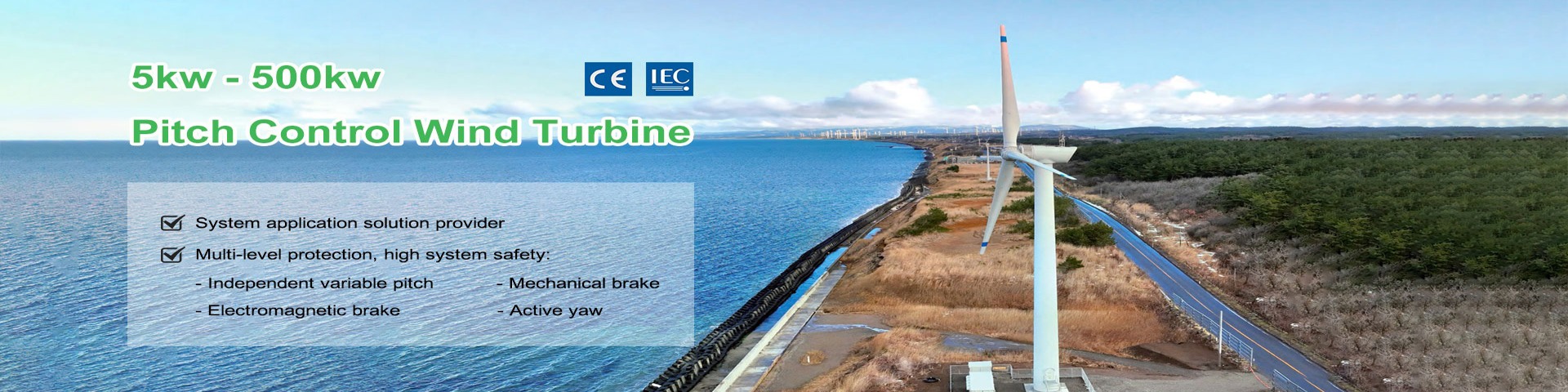
Современные ветрогенераторы — это пример высокотехнологичных инженерных решений, которые continuously evolve to maximize efficiency and minimize costs. Key innovations include the development of larger rotors, which capture more wind energy; advanced materials like carbon fiber composites that reduce weight and increase durability; and smart control systems that optimize performance based on real-time weather data. For instance, pitch control mechanisms adjust the angle of blades to maintain optimal speed even in varying wind conditions, enhancing energy output.
Offshore wind farms represent a major breakthrough, exploiting stronger and more consistent winds over oceans. These installations, though more expensive to build and maintain, offer higher capacity factors and reduce land use conflicts. Technologies such as floating platforms enable deployment in deeper waters, expanding potential sites. In parallel, digitalization plays a crucial role; Internet of Things (IoT) sensors and artificial intelligence (AI) are used for predictive maintenance, reducing downtime and operational costs. AI algorithms analyze data from turbines to forecast failures before they occur, ensuring reliability.
Energy storage integration is another critical area of innovation. Since wind energy is intermittent, coupling wind farms with battery systems or other storage solutions like hydrogen production allows for a more stable power supply. For example, during periods of low demand, excess electricity can be used to produce hydrogen through electrolysis, which can be stored and later converted back to electricity or used as fuel. This hybrid approach addresses one of the main limitations of wind power and enhances grid stability.
Looking ahead, emerging technologies such as airborne wind energy systems, which use kites or drones to harness high-altitude winds, promise even greater efficiency. These systems could tap into winds that are stronger and more constant than those at ground level, potentially revolutionizing the industry. Moreover, research into biomimicry—designing blades inspired by natural forms like whale fins—could lead to quieter and more aerodynamic turbines, reducing environmental impacts.
In summary, technological advancements are making wind generators not only more viable but also essential components of a diversified energy mix. They transform wind from a variable resource into a dependable power source, pushing the boundaries of what is possible in renewable energy.
Экологические преимущества и вызовы
Одним из основных аргументов в пользу ветрогенераторов является их положительное воздействие на окружающую среду. В отличие от ископаемого топлива, ветровая энергия не производит прямых выбросов парниковых газов или загрязняющих веществ во время эксплуатации, что способствует смягчению изменения климата и улучшению качества воздуха. По оценкам, за весь жизненный цикл ветровая энергия имеет углеродный след примерно в 10-20 раз меньший, чем уголь, и в 5-10 раз меньший, чем природный газ, с учетом производства, транспортировки и утилизации.
Кроме того, ветровые электростанции требуют относительно мало земли compared to other energy sources. While the turbines themselves occupy space, the land between them can often be used for agriculture or other purposes, minimizing habitat disruption. Offshore wind farms have an even smaller footprint on terrestrial ecosystems, though they can affect marine life. However, it is crucial to acknowledge the environmental challenges. Bird and bat mortality due to collisions with blades is a significant concern, though mitigation measures such as radar systems to detect and shut down turbines during migration periods are being implemented.
Noise pollution is another issue, particularly for nearby residents, though modern turbines are designed to be quieter through improved blade design and placement strategies. Visual impact can also lead to opposition, but this is subjective and often addressed through community engagement and careful siting. Lifecycle analyses show that the environmental benefits of wind energy far outweigh the drawbacks, especially when compared to the devastating effects of fossil fuel extraction and combustion, such as oil spills, air pollution, and habitat destruction.
Moreover, wind energy supports biodiversity by reducing the need for destructive practices like mountaintop removal mining for coal. As the world strives to meet climate goals set by agreements like the Paris Agreement, the role of wind generators in decarbonizing the energy sector becomes increasingly critical. They offer a pathway to reduce reliance on finite resources and promote a healthier planet for future generations.
Экономическая целесообразность и рыночные тенденции
С экономической точки зрения, ветроэнергетика стала highly competitive. За последнее десятилетие стоимость ветровой энергии резко снизилась благодаря economies of scale, technological improvements, and supportive policies. The levelized cost of energy (LCOE) for wind power is now on par or even lower than that of fossil fuels in many regions, making it an attractive investment. For instance, in parts of the United States and Europe, new wind projects can generate electricity at costs below $0.03 per kWh, compared to over $0.05 for coal or gas.
This cost reduction is driven by larger turbine sizes, which increase energy capture and reduce per-unit costs, and by streamlined manufacturing processes. Government incentives, such as tax credits, feed-in tariffs, and renewable energy mandates, have also played a vital role in accelerating deployment. These policies not only stimulate private investment but also create jobs; the wind energy sector employs millions of people worldwide in manufacturing, installation, maintenance, and research.
Market trends indicate robust growth. Global investment in wind power continues to rise, with projections suggesting that wind could supply over 20% of global electricity by 2030. Emerging markets in Asia, Latin America, and Africa are adopting wind energy to meet growing demand while avoiding the carbon-intensive path taken by developed nations. Additionally, corporate power purchase agreements (PPAs) are becoming popular, with companies like Google and Amazon investing in wind farms to power their operations with renewable energy, enhancing their sustainability credentials.
However, economic challenges persist. The upfront capital costs for wind projects are high, though they are offset by low operational costs over time. Grid integration costs, such as building new transmission lines or upgrading infrastructure, can add expenses. Furthermore, the intermittency of wind requires investment in storage or backup systems, which can increase overall system costs. Despite this, the long-term economic benefits—including energy independence, price stability, and reduced health costs from pollution—make wind energy a wise economic choice.
In conclusion, the economics of wind generators are increasingly favorable, positioning them not just as an option but as a necessity for affordable and sustainable energy futures.
Социальные и политические аспекты
Внедрение ветрогенераторов involves complex social and political dynamics. Public acceptance varies widely; while many communities embrace wind farms for their economic benefits and environmental virtues, others oppose them due to concerns over property values, health effects, or aesthetic changes. Effective communication and community engagement are essential to address these issues. For example, offering financial compensation to landowners or creating local job opportunities can foster support.
Politically, wind energy is often at the center of debates over energy policy. Governments play a crucial role through regulations, subsidies, and international agreements. In countries like Denmark and Germany, strong political commitment has led to high penetration of wind power, while in others, lobbying by fossil fuel industries can slow progress. The transition to renewables also raises questions about energy justice; ensuring that the benefits of wind energy, such as lower costs and job creation, are distributed equitably across society is vital.
Internationally, wind energy can enhance energy security by reducing dependence on imported fuels, which is particularly important for nations vulnerable to geopolitical tensions. It also contributes to global efforts to combat climate change, aligning with initiatives like the United Nations Sustainable Development Goals. However, geopolitical competition for resources like rare earth metals used in turbine magnets could pose challenges, highlighting the need for sustainable sourcing and recycling.
Overall, the social and political landscape will shape the future of wind generators. Collaboration between governments, industries, and communities is key to harnessing their full potential as a necessity rather than merely a choice.
Заключение: выбор или необходимость?
В заключение, ветрогенераторы завтрашнего дня представляют собой не просто альтернативу, а насущную необходимость в свете глобальных экологических, экономических и социальных вызовов. Их способность обеспечивать чистую, affordable, and reliable energy makes them indispensable in the transition to a sustainable future. While challenges remain, ongoing innovations and growing adoption demonstrate that wind energy is here to stay. As we face the urgent need to decarbonize our energy systems, embracing wind generators is not a matter of choice but of imperative action for the well-being of our planet and future generations.
Предыдущий: Почему корень лопасти так важен для эффективности ветряка
Следующий: Вершины лопастей ветрогенераторов ключ к эффективности энергетики
