
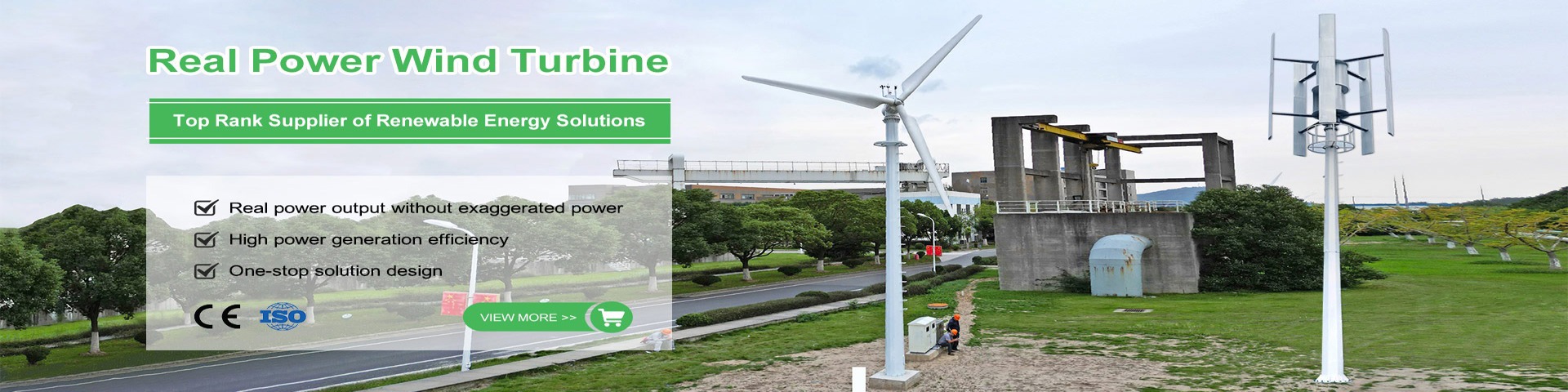
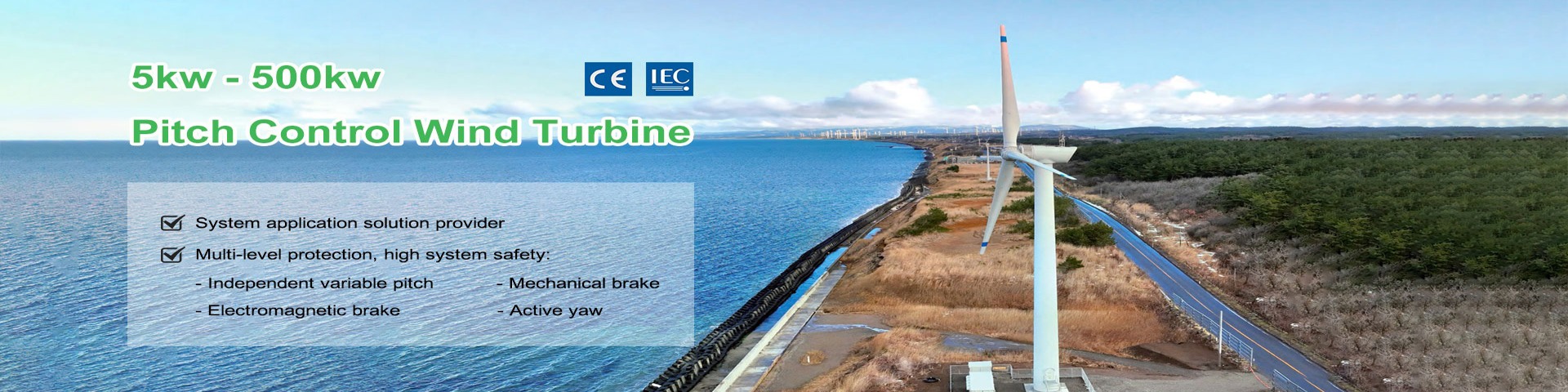
Ветер энергию дает грозу молния не страшна защита надежная для генераторов
В современном мире, где экологические проблемы и энергетические кризисы становятся все более актуальными, возобновляемые источники энергии играют ключевую роль в обеспечении устойчивого будущего. Среди них ветряная энергия выделяется как один из самых эффективных и доступных вариантов. Ветер, этот могучий и неиссякаемый ресурс, способен преобразовываться в чистую электрическую энергию через ветряные генераторы. Однако, несмотря на свою мощь, ветряные генераторы сталкиваются с серьезными вызовами, такими как грозы и молнии, которые могут нанести значительный ущерб. В этой статье мы подробно рассмотрим, как надежная защита от молний обеспечивает безопасность и долговечность ветряных генераторов, позволяя им бесперебойно работать даже в самых суровых погодных условиях. Мы углубимся в принципы работы ветряной энергии, инновационные технологии защиты, и то, как это все способствует глобальным целям устойчивого развития.
Введение в ветряную энергию
Ветряная энергия — это форма возобновляемой энергии, которая использует кинетическую энергию ветра для генерации электричества. История использования ветра насчитывает тысячелетия: от простых ветряных мельниц для помола зерна до современных высокотехнологичных ветряных турбин. Сегодня ветряные генераторы являются неотъемлемой частью энергетической инфраструктуры многих стран, обеспечивая значительную долю общего энергопотребления. Например, в таких странах, как Дания и Германия, ветряная энергия составляет более 40% от общей выработки электроэнергии. Это не только снижает зависимость от ископаемых топлив, но и способствует сокращению выбросов парниковых газов, что критически важно для борьбы с изменением климата.
Принцип работы ветряного генератора относительно прост: ветер вращает лопасти турбины, которые соединены с генератором, преобразующим механическую энергию в электрическую. Эффективность этого процесса зависит от множества факторов, включая скорость ветра, высоту установки турбины, и конструкцию лопастей. Современные ветряные генераторы могут достигать высоты более 200 метров и генерировать мощность до нескольких мегаватт, что делает их чрезвычайно продуктивными. Однако, именно их размер и расположение в открытых, ветреных областях делают их уязвимыми для природных явлений, таких как грозы и молнии.
Грозы — частое явление во многих регионах мира, особенно в прибрежных и горных районах, где ветряные генераторы часто устанавливаются. Молнии, сопровождающие грозы, могут нести огромную энергию, достигающую миллионов вольт, что представляет серьезную угрозу для электронного оборудования и структурной целостности генераторов. Без надлежащей защиты удар молнии может вызвать пожары, повреждение компонентов, и даже полный выход генератора из строя, приводя к значительным финансовым потерям и перебоям в энергоснабжении. Поэтому разработка и внедрение надежных систем защиты от молний является критически важным аспектом проектирования и эксплуатации ветряных генераторов.
Угрозы от гроз и молний
Грозы и молнии — это природные явления, которые возникают в результате атмосферных электрических разрядов. Они чаще всего происходят в теплые и влажные условия, и их интенсивность может варьироваться от легких до экстремальных. Для ветряных генераторов, которые часто расположены на возвышенностях или в открытых полях, риск попадания молнии значительно повышен. Высокие структуры, такие как башни генераторов, действуют как естественные молниеотводы, притягивая разряды. Это означает, что без эффективной защиты, генераторы постоянно подвергаются опасности.
Прямой удар молнии в ветряной генератор может иметь катастрофические последствия. Во-первых, термическое воздействие: молния несет огромное количество тепловой энергии, способной расплавить металлические компоненты, вызвать возгорание изоляционных материалов, и повредить лопасти. Лопасти ветряных генераторов часто изготавливаются из композитных материалов, таких как стекловолокно или углеродное волокно, которые могут быть чувствительны к высоким температурам. Даже если прямой удар не происходит, индукционные эффекты молнии могут вызывать скачки напряжения в электрических системах, приводя к выходу из строя чувствительной электроники, такой как системы управления и преобразователи мощности.
Косвенные эффекты молний также不容忽视. Электромагнитные импульсы (ЭМП), генерируемые разрядами, могут индуцировать токи в nearby проводниках, вызывая помехи и повреждения в системах связи и контроля. Это может привести к ложным срабатываниям аварийных систем, непреднамеренным остановкам генераторов, или даже к каскадным отказам в энергетической сети. Кроме того, повторяющиеся воздействия молний могут ослаблять структурные элементы генератора через механизмы усталости, сокращая общий срок службы оборудования. Учитывая, что стоимость современного ветряного генератора может превышать несколько миллионов долларов, а простои в работе ведут к потере доходов, инвестиции в надежную защиту от молний становятся экономически оправданными.
Статистика показывает, что в регионах с высокой грозовой активностью, such as the Midwest United States or coastal areas of Europe, ветряные генераторы могут подвергаться ударам молний multiple times per year. Например, исследование, проведенное в Германии, показало, что до 5% всех отказов ветряных генераторов связаны с повреждениями от молний. Это подчеркивает необходимость proactive мер защиты, которые не только реагируют на инциденты, но и предотвращают их возникновение.
Принципы и технологии защиты от молний
Защита ветряных генераторов от молний основывается на комбинации пассивных и активных методов, designed to divert, dissipate, or mitigate the effects of lightning strikes. Ключевым элементом является система молниеотводов, which provides a preferred path for the lightning current to follow, safely directing it away from critical components and into the ground. В типичной конфигурации, молниеотводы устанавливаются на самых высоких точках генератора, such as the tips of the blades or the top of the nacelle, and are connected to a grounding system через проводники с низким сопротивлением.
Современные технологии защиты включают в себя advanced материалы и designs. For instance, лопасти генераторов могут быть оснащены встроенными молниеприемниками из меди или алюминия, which are highly conductive and resistant to corrosion. Эти приемники integrated into the blade structure to ensure that any strike is captured and routed to the grounding system. Additionally, используются Surge Protective Devices (SPDs) в электрических цепях to clamp voltage spikes and protect sensitive electronics. SPDs work by diverting excess voltage to ground when it exceeds a certain threshold, thereby preventing damage to equipment.
Another innovative approach is the use of early streamer emission (ESE) systems, which are active lightning protection systems that emit ions to encourage lightning to strike at a designated point, reducing the randomness of strikes and enhancing protection efficiency. These systems are particularly useful in areas with high lightning density, as they can provide a more controlled path for discharges. Furthermore, мониторинг и системы раннего предупреждения играют важную роль. Датчики, установленные на генераторах, могут detect atmospheric changes and predict lightning activity, allowing operators to shut down or adjust operations proactively to minimize risk.
Grounding is a critical aspect of lightning protection. A well-designed grounding system ensures that the lightning current is dissipated safely into the earth, reducing the risk of step and touch voltages that could harm personnel or equipment. This involves using multiple grounding electrodes, such as rods or plates, connected in a mesh configuration to achieve low impedance. Regular testing and maintenance of the grounding system are essential to ensure its effectiveness over time, as soil conditions and corrosion can degrade performance.
In addition to hardware solutions, software and analytics are becoming increasingly important. IoT (Internet of Things) sensors and AI algorithms can be used to monitor the health of protection systems in real-time, predicting failures and scheduling maintenance before issues arise. For example, data on lightning strikes and generator performance can be analyzed to identify patterns and optimize protection strategies. This holistic approach not only enhances safety but also improves the overall reliability and efficiency of wind energy operations.
Case studies and real-world examples
To illustrate the importance of reliable lightning protection, let's consider some real-world examples. In the North Sea, where offshore wind farms are exposed to frequent storms, generators equipped with advanced protection systems have demonstrated remarkable resilience. For instance, the Horns Rev wind farm in Denmark uses a combination of passive and active protection measures, resulting in a significant reduction in lightning-related incidents compared to older installations without such systems. This has allowed the farm to maintain high availability rates and minimize downtime, contributing to its economic success.
In the United States, the Tehachapi Pass wind resource area in California experiences moderate lightning activity, but failures were common in the past due to inadequate protection. After upgrading to modern lightning protection systems, including improved grounding and SPDs, the incidence of damage dropped by over 70%, according to reports from operators. This not saved on repair costs but also enhanced the overall energy output by reducing unplanned outages.
Another compelling case is from India, where wind energy is rapidly expanding in regions like Tamil Nadu, known for its thunderstorms. A study conducted by a local energy company showed that implementing comprehensive lightning protection, including blade receptors and monitoring systems, increased the lifespan of generators by an estimated 10-15 years. This long-term benefit underscores the value of investing in robust protection from the outset.
These examples highlight that while the initial cost of advanced lightning protection can be substantial, the return on investment is clear through reduced maintenance, longer equipment life, and improved energy reliability. Moreover, as climate change leads to more extreme weather events, the need for such protections will only grow, making them an essential component of future wind energy projects.
Environmental and economic benefits
Reliable lightning protection for wind generators not only safeguards the equipment but also contributes to broader environmental and economic goals. By ensuring that wind farms operate continuously and efficiently, protection systems help maximize the generation of clean energy, reducing reliance on fossil fuels and lowering greenhouse gas emissions. This aligns with global initiatives such as the Paris Agreement, which aims to limit global warming by promoting renewable energy sources.
Economically, the benefits are multifaceted. Reduced downtime means more consistent energy production, which can lead to higher revenues for operators and lower energy costs for consumers. Additionally, by extending the lifespan of generators, protection systems reduce the need for frequent replacements, which are resource-intensive and environmentally damaging due to the manufacturing processes involved. For example, producing a single wind turbine blade requires significant energy and materials, so maximizing its usage through protection is a form of resource conservation.
Furthermore, the development and deployment of lightning protection technologies drive innovation and create jobs in sectors such as manufacturing, installation, and maintenance. This stimulates local economies and supports the growth of a green workforce. In regions prone to lightning, such as parts of Africa and South America, where wind energy potential is high but underutilized, adopting these technologies can unlock new opportunities for sustainable development.
From a risk management perspective, insurance costs for wind farms can be lower with effective lightning protection, as insurers view well-protected assets as less risky. This can make wind energy projects more attractive to investors, facilitating further expansion of the industry. Overall, the integration of reliable protection systems is a win-win scenario, enhancing both the sustainability and profitability of wind energy.
Future trends and innovations
The field of lightning protection for wind generators is continuously evolving, with new technologies and approaches emerging to address challenges. One promising trend is the use of nanomaterials in protection systems. For example, carbon nanotube-based conductors offer higher conductivity and durability compared to traditional materials, potentially improving the efficiency of lightning diversion. Research is also underway on smart coatings that can change properties in response to electrical fields, providing adaptive protection.
Another area of innovation is in predictive analytics and machine learning. By analyzing vast datasets from weather satellites, sensors, and historical strike records, AI models can forecast lightning activity with high accuracy, allowing for preemptive actions such as adjusting generator operation or deploying mobile protection units. This proactive approach could revolutionize how we manage lightning risks, moving from reactive repairs to prevention.
Additionally, the integration of renewable energy sources with energy storage systems, such as batteries, is gaining traction. In the event of a lightning-induced outage, storage systems can provide backup power, ensuring continuity of supply. This is particularly important for critical infrastructure and remote communities that rely on wind energy. As battery technology advances, becoming more affordable and efficient, this combination will enhance the resilience of wind farms.
Looking ahead, standards and regulations for lightning protection are likely to become more stringent, driven by lessons learned from past failures and the increasing importance of renewable energy. International collaborations, such as those through the International Electrotechnical Commission (IEC), are working on updated guidelines to ensure that protection systems keep pace with technological advancements. This will help harmonize practices globally and promote the adoption of best practices.
Ultimately, the goal is to create wind generators that are not only powerful and efficient but also inherently resilient to environmental threats. By embracing innovation and continuous improvement, the wind energy industry can overcome the challenges posed by lightning and other hazards, paving the way for a cleaner, more secure energy future.
Conclusion
In conclusion, the phrase "Ветер энергию дает грозу молния не страшна защита надежная для генераторов" encapsulates the essence of modern wind energy: harnessing the power of wind while mitigating the risks associated with thunderstorms and lightning. Through reliable protection systems, wind generators can operate safely and efficiently, even in the face of nature's fury. This not only ensures the longevity and profitability of energy projects but also supports global efforts towards sustainability and climate action.
As we have explored, the threats from lightning are real and significant, but with the right technologies—ranging from traditional молниеотводы to advanced AI-driven monitoring—we can turn these challenges into opportunities. The case studies and innovations discussed demonstrate that investment in protection is not just a necessity but a smart strategy for the future of energy.
By continuing to innovate and collaborate, we can build a world where wind energy is a cornerstone of our energy mix, unafraid of the storms that come its way. Let us embrace the wind, protect our generators, and move forward towards a brighter, greener tomorrow.
Предыдущий: Повышение эффективности ветрогенераторов через инновационные технологии
Следующий: Обновление ветрогенераторов революция в энергетике
