
Инновационные ветрогенераторы переворачивают энергетику
Энергетика — это сердце современной цивилизации. На протяжении веков человечество полагалось на ископаемые топлива, такие как уголь, нефть и газ, чтобы питать свои города, заводы и дома. Однако эта зависимость привела к катастрофическим последствиям: изменение климата, загрязнение воздуха и истощение природных ресурсов стали глобальными проблемами, требующими немедленного решения. В ответ на эти вызовы мир обратился к возобновляемым источникам энергии, и среди них ветроэнергетика выделяется как один из самых перспективных и быстро развивающихся секторов. Но что, если я скажу вам, что самые современные инновации в ветрогенераторах не просто улучшают существующие технологии, а буквально переворачивают всю энергетическую отрасль? Да, вы не ослышались. Новейшие разработки в области ветряных турбин обещают сделать энергию ветра более эффективной, доступной и масштабируемой, чем когда-либо прежде. В этой статье мы погрузимся в детали этих прорывов, исследуем их влияние на глобальную энергетику и рассмотрим, как они могут помочь нам построить более устойчивое будущее.
История ветроэнергетики: от древности к современности
Ветроэнергетика не является новой концепцией. Еще в древние времена люди использовали силу ветра для приведения в движение парусных судов и ветряных мельниц, которые мололи зерно или качали воду. Первые упоминания о ветряных мельницах датируются персидскими цивилизациями около 7 века нашей эры. В средние века ветряные мельницы стали распространены в Европе, особенно в Нидерландах, где они сыграли ключевую роль в осушении земель и развитии сельского хозяйства. Однако переход к использованию ветра для генерации электричества начался лишь в конце 19 века. В 1887 году шотландский профессор Джеймс Блит построил первый ветрогенератор для освещения своего дома, используя простую конструкцию с парусиновыми лопастями. Это был скромный начало, но оно положило основу для будущих инноваций.
В 20 веке ветроэнергетика пережила несколько волн развития. В 1930-х годах в СССР и США были построены первые крупные ветряные турбины, способные генерировать электроэнергию в промышленных масштабах. Однако真正的прорыв произошел в 1970-х годах, когда нефтяные кризисы и растущее осознание экологических проблем подстегнули интерес к альтернативным источникам энергии. Дания стала пионером в этой области, разработав современные трехлопастные ветрогенераторы, которые до сих пор являются стандартом в отрасли. К 1990-м годам ветроэнергетика начала быстро расти благодаря технологическим усовершенствованиям и государственной поддержке. Сегодня ветряные турбины можно увидеть по всему миру: от ветреных побережий до открытых равнин, они генерируют гигаватты чистой энергии, сокращая выбросы CO2 и создавая рабочие места.
Но несмотря на этот прогресс, традиционные ветрогенераторы сталкиваются с limitations. Они зависят от погодных условий: при слабом ветре их эффективность падает, а при сильном — они могут быть повреждены. Кроме того, их large size и визуальное impact часто вызывают сопротивление со стороны местных сообществ. Шум, produced by rotating blades, и potential harm to birds также являются concerns. Именно эти challenges spurred инновации, leading to the development of next-generation wind turbines that are smarter, more efficient, and more integrated into our environment.
Ключевые инновации в современных ветрогенераторах
Современные инновации в ветрогенераторах охватывают широкий спектр областей: от материалов и дизайна до систем управления и интеграции с другими технологиями. Давайте рассмотрим некоторые из самых впечатляющих разработок, которые меняют правила игры в энергетике.
1. Умные и адаптивные лопасти
Одной из самых значительных инноваций является создание умных лопастей, которые могут адаптироваться к изменяющимся wind conditions. Traditional blades are rigid and fixed, but new designs incorporate sensors and actuators that allow them to change their angle or shape in real-time. For example, companies like Vestas and Siemens Gamesa are developing blades with built-in pressure sensors and micro-adjustments that optimize energy capture while reducing stress on the turbine. This not only increases efficiency by up to 20% but also extends the lifespan of the equipment. Imagine a turbine that can "feel" the wind and adjust itself like a sailboat tacking into the breeze—this is no longer science fiction; it's reality.
Кроме того, используются новые materials, такие как углеродное волокно и композитные materials, которые делают лопасти lighter, stronger, and more durable. This reduces maintenance costs and allows for larger blades that can capture more energy from slower winds. In fact, some of the latest offshore turbines have blades over 100 meters long, enabling them to generate power even in low-wind areas that were previously considered uneconomical.
2. Вертикальные ветрогенераторы: переосмысление дизайна
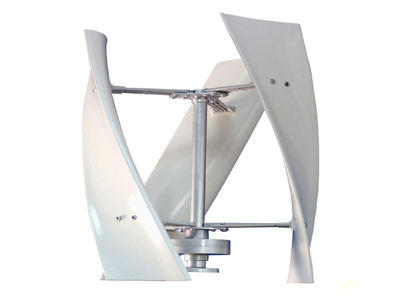
В то время как горизонтальные турбины доминируют в отрасли, вертикальные ветрогенераторы (VAWTs) gaining traction due to their unique advantages. Unlike traditional turbines that require yaw mechanisms to face the wind, VAWTs can capture wind from any direction, making them ideal for urban environments or areas with turbulent winds. Innovations in this area include helical designs that reduce noise and vibration, as well as scaled-down versions for residential use. Companies like Urban Green Energy and Helix Wind are pioneering these technologies, offering solutions that can be integrated into buildings or used in distributed energy systems.
Эти турбины также more compact and aesthetically pleasing, addressing common complaints about visual pollution. For instance, some designs resemble modern sculptures rather than industrial machinery, blending seamlessly into cityscapes. This not only makes wind energy more acceptable to the public but also opens up new markets for small-scale applications.
3. Гибридные системы и интеграция с другими ВИЭ
Another groundbreaking innovation is the integration of wind turbines with other renewable energy sources, such as solar power or energy storage systems. Hybrid wind-solar farms are becoming increasingly popular, as they can provide a more consistent power output by leveraging the complementary nature of wind and solar resources (wind often peaks at night or in winter, while solar is strongest during the day in summer).
Кроме того, advancements in battery technology allow for better energy storage, ensuring that wind power can be used even when the wind isn't blowing. Tesla's Powerpack and similar systems are being deployed alongside wind farms to smooth out supply and demand fluctuations. This hybrid approach not only enhances reliability but also reduces the need for backup fossil fuel plants, accelerating the transition to a 100% renewable grid.
4. Искусственный интеллект и big data для оптимизации
Искусственный интеллект (ИИ) и big data revolutioniziing the way wind farms are operated and maintained. By analyzing vast amounts of data from sensors on turbines, AI algorithms can predict maintenance needs, optimize performance, and even forecast wind patterns with incredible accuracy. For example, GE's Predix platform uses machine learning to identify potential failures before they happen, reducing downtime and repair costs.
This predictive maintenance is crucial for offshore wind farms, where access is difficult and expensive. AI can also optimize the layout of wind farms to minimize wake effects (where turbines downstream receive less wind due to turbulence from upstream turbines), increasing overall efficiency by up to 10%. In essence, AI is turning wind energy from a intermittent source into a highly predictable and manageable one.
5. Плавающие ветрогенераторы для глубоководных районов
One of the most exciting innovations is the development of floating wind turbines, which allow for wind farms to be built in deep waters where fixed-bottom turbines are not feasible. Traditional offshore turbines are anchored to the seabed, limiting them to shallow coastal areas. But floating platforms, similar to those used in oil and gas industry, enable turbines to be deployed in deep ocean sites with stronger and more consistent winds.
Pioneered by companies like Equinor and Principle Power, floating wind farms have the potential to unlock vast new resources. For instance, projects like Hywind Scotland have demonstrated that floating turbines can operate reliably in waters over 100 meters deep. This expansion into new territories could multiply the global potential of wind energy, making it a cornerstone of the future energy mix.
Влияние на глобальную энергетику и экономику
Инновационные ветрогенераторы не просто technological curiosities; они оказывают profound impact on the global energy landscape and economy. Let's delve into how these advancements are reshaping our world.
Сокращение затрат и повышение доступности
Thanks to innovations, the cost of wind energy has plummeted over the past decade. According to the International Renewable Energy Agency (IRENA), the levelized cost of electricity (LCOE) from wind power has fallen by more than 40% since 2010, making it competitive with or even cheaper than fossil fuels in many regions. This cost reduction is driven by economies of scale, improved efficiency, and lower maintenance costs due to smarter designs.
Например, larger turbines with higher capacity factors mean that fewer turbines are needed to generate the same amount of power, reducing upfront capital expenses. Additionally, innovations in manufacturing, such as 3D printing of components, are further driving down costs. As a result, wind energy is becoming increasingly accessible to developing countries, helping to bridge the energy access gap and promote sustainable development.
Создание jobs и экономический рост
The wind energy sector is a major job creator. From manufacturing and installation to maintenance and research, it employs millions of people worldwide. In the European Union alone, the wind industry supports over 300,000 jobs, and this number is expected to grow as innovations lead to new opportunities. For instance, the shift towards offshore and floating wind farms requires specialized skills in marine engineering and robotics, creating high-value jobs in coastal communities.
Moreover, investments in wind energy stimulate local economies. Wind farm projects often involve local suppliers and contractors, injecting money into rural areas that may have struggled with economic decline. In the United States, states like Texas and Iowa have seen significant economic benefits from wind energy development, including increased tax revenues and reduced energy costs for consumers.
Экологические benefits и борьба с изменением климата
Perhaps the most important impact of innovative wind generators is their contribution to environmental sustainability. By displacing fossil fuel-based power generation, wind energy helps reduce greenhouse gas emissions, air pollution, and water usage. A single modern wind turbine can offset thousands of tons of CO2 emissions over its lifetime, equivalent to taking hundreds of cars off the road.
Furthermore, innovations are addressing previous environmental concerns. For example, quieter turbines and bird-friendly designs (such as slower rotation speeds or detection systems that shut down turbines when birds are nearby) are minimizing wildlife impacts. As wind energy becomes more widespread, it plays a crucial role in global efforts to limit climate change, as outlined in agreements like the Paris Agreement.
Энергетическая безопасность и decentralization
Wind energy enhances energy security by diversifying the energy mix and reducing dependence on imported fuels. Unlike oil or gas, wind is a domestic resource available almost everywhere, reducing vulnerability to geopolitical tensions or price fluctuations. Innovations in distributed wind systems, such as small turbines for homes or communities, empower individuals to generate their own power, leading to a more resilient and decentralized energy grid.
This decentralization is particularly valuable in remote or disaster-prone areas, where traditional power infrastructure may be unreliable. For instance, after hurricanes or other natural disasters, distributed wind and solar systems can provide critical backup power, saving lives and accelerating recovery efforts.
Вызовы и будущие направления
Несмотря на impressive progress, инновационные ветрогенераторы face several challenges that must be addressed to fully realize their potential.
Технические и logistical hurdles
One major challenge is the intermittency of wind power. While energy storage and hybrid systems help, they are not yet sufficient to ensure 24/7 reliability at scale. Research is ongoing into advanced storage technologies, such as flow batteries or hydrogen production from excess wind power, which could provide long-duration storage solutions.
Logistically, deploying large turbines, especially offshore, requires specialized vessels and infrastructure, which can be costly and limited in availability. Innovations in modular design or automated installation processes are needed to reduce these barriers. For example, some companies are developing turbines that can be assembled onshore and towed to site, minimizing time and risk at sea.
Социальное acceptance и regulatory issues
Public opposition to wind projects remains a significant obstacle, often due to concerns about noise, visual impact, or perceived health effects (though scientific evidence does not support most health claims). Education and community engagement are key to overcoming this resistance. Innovations that make turbines quieter and less obtrusive, as well as policies that ensure fair compensation for affected communities, can help build support.
Regulatory frameworks also need to evolve to keep pace with technological advancements. Stream permitting processes, updating grid codes to accommodate variable renewables, and providing incentives for innovation are essential for continued growth.
Будущие trends и opportunities
Looking ahead, the future of wind energy is bright. Emerging trends include airborne wind energy systems (e.g., kites or drones that harness high-altitude winds), which could tap into stronger and more consistent wind resources aloft. Additionally, integration with digital twins (virtual replicas of physical assets) will enable even more precise optimization and simulation.
On a larger scale, wind energy is poised to play a central role in the global energy transition. By 2050, the International Energy Agency (IEA) projects that wind could supply over one-third of the world's electricity, up from around 5% today. This will require massive investments in infrastructure, research, and workforce development, but the benefits—a cleaner, healthier, and more prosperous planet—are well worth the effort.
Заключение: Ветрогенераторы как катализатор изменения
В заключение, инновационные ветрогенераторы действительно переворачивают энергетику. Они transform wind from a niche resource into a mainstream power source that is clean, affordable, and reliable. Through advancements in materials, design, AI, and integration, these turbines are overcoming historical limitations and opening up new possibilities for sustainable development.
As we stand on the brink of an energy revolution, it is clear that wind energy will be a key driver of change. By embracing these innovations, we can reduce our carbon footprint, create economic opportunities, and build a more resilient energy system for future generations. The journey is not without challenges, but with continued innovation and collaboration, the wind at our backs will propel us toward a brighter, greener future.
So, the next time you see a wind turbine spinning gracefully against the sky, remember: it's not just generating electricity; it's powering a revolution. And that revolution is happening right now, one gust of wind at a time.
Предыдущий: Революционные чертежи ветрогенераторов перевернут энергетику
Следующий: Удаленное управление ветряными генераторами революция в энергетике
