
Системы регулирования мощности ветрогенераторов как ключ к стабильной энергосети
В современном мире, где изменения климата и энергетическая безопасность становятся все более актуальными, возобновляемые источники энергии, такие как ветровая энергия, играют ключевую роль. Однако интеграция ветрогенераторов в энергосети сопряжена с вызовами, связанными с нестабильностью их выработки. Системы регулирования мощности ветрогенераторов emerge как критически важный инструмент для обеспечения стабильности и надежности энергосетей. В этой статье мы подробно рассмотрим, как эти системы работают, их преимущества, вызовы и будущие перспективы, подчеркивая их значимость для устойчивого энергетического будущего.
Введение в ветровую энергетику и ее вызовы
Ветровая энергетика has experienced rapid growth over the past few decades, driven by technological advancements and policy support. Wind turbines convert kinetic energy from the wind into electrical power, offering a clean and renewable alternative to fossil fuels. According to the International Energy Agency (IEA), wind power could supply up to 20% of global electricity by 2030. However, the intermittent nature of wind—varying in speed and direction—poses significant challenges to grid stability. Unlike conventional power plants, wind turbines cannot guarantee a constant power output, leading to fluctuations that can disrupt the balance between supply and demand in the grid.
This intermittency necessitates advanced control systems to manage power output effectively. Without proper regulation, wind farms can contribute to voltage drops, frequency deviations, and even blackouts. Therefore, the development and implementation of power regulation systems for wind turbines are paramount. These systems not only enhance the reliability of wind energy but also facilitate its integration into existing grid infrastructures, making them a cornerstone of modern energy strategies.
Основы систем регулирования мощности
Системы регулирования мощности ветрогенераторов are designed to control the active and reactive power output of turbines in response to grid conditions. Active power refers to the real power delivered to the grid, while reactive power helps maintain voltage levels. These systems utilize various technologies, including pitch control, generator control, and power electronics, to adjust turbine operation dynamically.
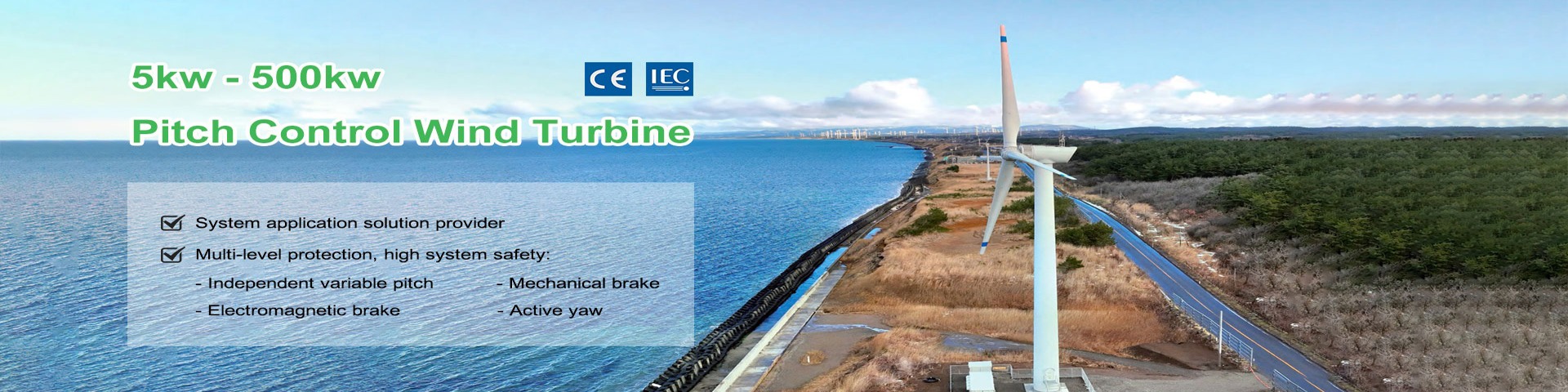
Pitch control involves adjusting the angle of the turbine blades to optimize energy capture or limit power output during high winds. This prevents overloading and protects the turbine from damage. Generator control, on the other hand, manages the electrical output through techniques such as variable speed operation, which allows turbines to operate efficiently across a range of wind speeds. Power electronics, including converters and inverters, play a crucial role in converting the variable AC output from the generator into a stable form suitable for grid injection.
Advanced algorithms and sensors are employed to monitor wind conditions, grid frequency, and voltage in real-time. For instance, maximum power point tracking (MPPT) algorithms ensure that turbines extract the maximum possible energy from the wind, while grid-support functions enable turbines to provide ancillary services like frequency regulation and voltage support. These capabilities transform wind turbines from passive energy sources into active grid participants, enhancing overall system stability.
Преимущества систем регулирования
Одним из основных преимуществ систем регулирования мощности is their ability to improve grid stability. By providing precise control over power output, these systems help mitigate the effects of wind variability. For example, during periods of low wind, turbines can be adjusted to maintain a minimum power level, reducing the need for backup power from fossil fuel plants. Conversely, during high wind conditions, power can be curtailed to prevent grid overload, thus avoiding potential disruptions.
Additionally, these systems enable wind farms to offer grid services that were traditionally provided by conventional power plants. Reactive power compensation, for instance, helps regulate voltage levels, while frequency response capabilities allow turbines to quickly adjust output in response to grid frequency changes. This not only enhances reliability but also reduces the carbon footprint of the energy system by minimizing reliance on polluting backup generators.
Economic benefits are also significant. With better regulation, wind energy becomes more predictable and valuable in energy markets. Utilities can rely on wind power for base load or peak demand, leading to cost savings and increased investment in renewable infrastructure. Moreover, by extending the lifespan of turbines through reduced mechanical stress, regulation systems lower maintenance costs and improve the overall economics of wind projects.
Вызовы и ограничения
Despite their advantages, системы регулирования мощности face several challenges. Technical complexities arise from the need for high-speed data processing and robust communication networks. Real-time control requires accurate sensors and reliable algorithms to respond to rapidly changing conditions, which can be costly to implement and maintain.
Integration with existing grid infrastructure is another hurdle. Many grids were designed for centralized, predictable power sources, and adapting them to accommodate variable renewables like wind requires upgrades to transmission lines, substations, and control systems. This often involves significant investment and coordination among stakeholders, including grid operators, manufacturers, and policymakers.
Environmental and social factors also play a role. For instance, noise from pitch-controlled turbines or visual impacts from large-scale wind farms can lead to public opposition. Furthermore, the intermittency of wind means that energy storage solutions, such as batteries, are often needed to complement regulation systems, adding to the overall cost and complexity.
Regulatory and market barriers can impede adoption. In some regions, outdated policies do not incentivize the deployment of advanced regulation technologies, or market structures may not adequately compensate wind farms for providing grid services. Addressing these issues requires collaborative efforts to update regulations and create favorable conditions for innovation.
Технологические инновации и будущие тенденции
The future of системы регулирования мощности is bright, driven by ongoing technological innovations. Artificial intelligence (AI) and machine learning are being integrated into control systems to predict wind patterns and optimize turbine performance more accurately. For example, AI algorithms can analyze historical data and weather forecasts to anticipate changes in wind speed, allowing for proactive adjustments that enhance efficiency and reduce wear on components.
Advances in power electronics are also crucial. Next-generation converters with higher efficiency and lower costs are making it easier to integrate wind power into grids. Technologies like silicon carbide (SiC) and gallium nitride (GaN) semiconductors offer improved performance, enabling faster switching and better thermal management, which are essential for reliable power regulation.
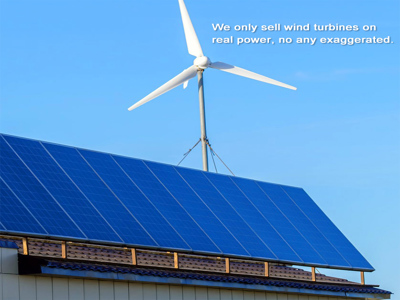
Hybrid systems that combine wind with other renewables or storage are emerging as a key trend. For instance, wind-solar hybrids can balance each other's intermittency, while battery storage provides backup power during calm periods. These integrated approaches leverage regulation systems to create more resilient and sustainable energy networks.
Looking ahead, the digitalization of energy systems through the Internet of Things (IoT) and smart grids will further enhance the capabilities of power regulation. Real-time data exchange between turbines, grid operators, and consumers will enable more dynamic and responsive control, paving the way for a fully decarbonized energy future.
Заключение
В заключение, системы регулирования мощности ветрогенераторов являются незаменимым инструментом для обеспечения стабильности энергосетей в era возрастающей доли возобновляемой энергии. Преодолевая вызовы间歇ности, эти системы not only improve the reliability and efficiency of wind power but also enable its seamless integration into modern grids. С continued innovation and supportive policies, они будут играть pivotal role in the transition to a sustainable energy system, reducing greenhouse gas emissions and enhancing energy security worldwide.
Investing in these technologies is not just a technical necessity but a strategic imperative for governments, utilities, and industries. By embracing advanced regulation systems, we can unlock the full potential of wind energy and build a cleaner, more resilient future for generations to come.
Предыдущий: Инновационные ветряные турбины меняют мир уже сегодня
Следующий: Какие инновации сделают ветроэнергетику доступнее для всех
