
Как устроена современная ветряная турбина
В современном мире, где вопросы экологии и устойчивого развития выходят на первый план, ветряные турбины стали символом прогресса и заботы о планете. Эти гигантские конструкции, усеивающие ландшафты от прибрежных зон до открытых равнин, не только производят чистую энергию, но и воплощают в себе передовые инженерные решения. В этой статье мы глубоко погрузимся в устройство современных ветряных турбин, обсудим их принципы работы, преимущества, вызовы и будущее в глобальной энергетике. Начнем с базовых понятий: ветряная турбина — это устройство, преобразующее кинетическую энергию ветра в механическую, а затем в электрическую энергию. Но за этой простой формулировкой скрывается сложная система компонентов, каждый из которых играет crucialную роль.
История ветряных турбин уходит корнями в древность, когда люди использовали ветряные мельницы для помола зерна или перекачки воды. Однако современные турбины — это продукт decades развития, начиная с 1970-х годов, когда нефтяные кризисы подстегнули поиск альтернативных источников энергии. Сегодня они являются ключевым элементом возобновляемой энергетики, способствуя сокращению выбросов CO2 и диверсификации энергетических портфелей стран. По данным Международного энергетического агентства, ветровая энергия accounted for over 7% global electricity generation in 2023, и этот показатель продолжает расти. Но как именно работает эта технология? Давайте разберем по частям.
Основные компоненты ветряной турбины
Современная ветряная турбина состоит из нескольких ключевых элементов: башни, ротора с лопастями, гондолы, которая содержит генератор и другие системы, а также фундамента. Башня, обычно изготовленная из стали или бетона, поднимает турбину на высоту, где ветровые потоки более стабильны и сильны. Высота башни может варьироваться от 60 до 100 метров и более, в зависимости от модели и местоположения. Это позволяет максимизировать capture энергии, так как скорость ветра увеличивается с высотой due to reduced surface friction.
Ротор, включающий лопасти и ступицу, является сердцем турбины. Лопасти, often made from composite materials like fiberglass or carbon fiber, designed aerodynamically to capture wind energy efficiently. Их длина может достигать 80 метров для крупных offshore турбин, что позволяет охватывать большую площадь и генерировать больше мощности. Ступица соединяет лопасти с главным валом, передавая rotational energy далее. Интересно, что современные лопасти имеют twist и taper along their length to optimize performance across varying wind speeds, a result of computational fluid dynamics simulations.
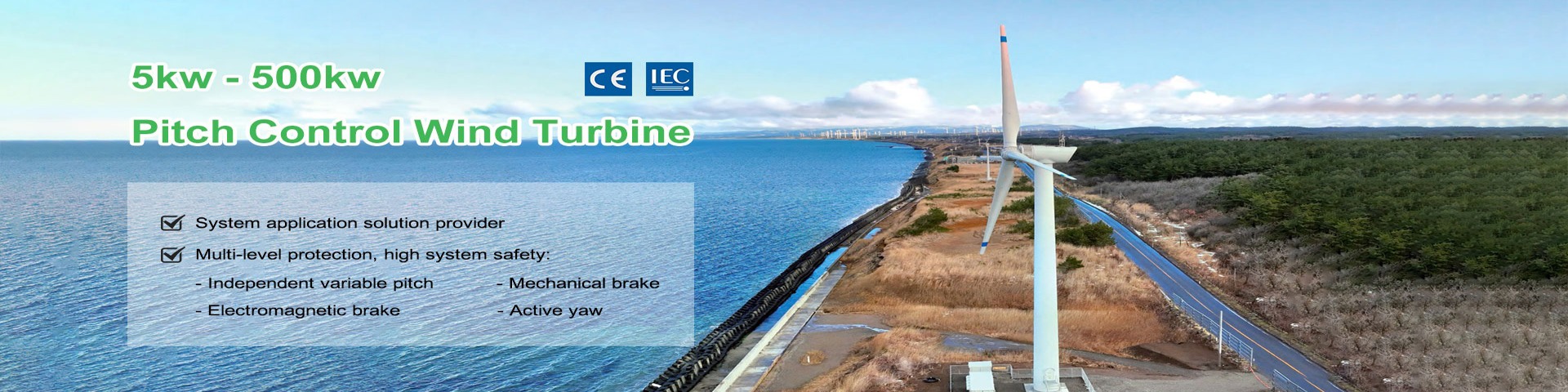
Гондола, размещенная на вершине башни, houses the critical machinery: генератор, gearbox (if present), тормозная система, и системы управления. Генератор преобразует mechanical energy into electrical energy. В большинстве современных турбин используется asynchronous или synchronous генераторы, с тенденцией к direct-drive systems that eliminate the gearbox for reduced maintenance. Системы управления включают sensors for wind speed and direction, allowing the turbine to yaw (rotate into the wind) and pitch the blades for optimal angle. Это обеспечивает максимальную efficiency и защиту от overload в штормовых условиях.
Фундамент обеспечивает stability, особенно важно для offshore турбин, где он must withstand marine conditions. Onshore фундаменты typically are concrete bases, while offshore may use monopiles, jackets, or floating platforms. Электрическая инфраструктура, including transformers and cables, connects the turbine to the grid, enabling energy distribution. Весь этот комплекс работает seamlessly, но требует regular maintenance to ensure longevity and performance.
Принцип работы и эффективность
Принцип работы ветряной турбины основан на законах аэродинамики. Когда ветер blows against the blades, it creates lift and drag forces, causing the rotor to spin. This rotational motion is transferred through the shaft to the generator, where electromagnetic induction produces electricity. The amount of energy generated depends on wind speed, swept area of the blades, and air density. According to Betz's law, no turbine can capture more than 59.3% of the kinetic energy in wind, but modern turbines achieve efficiencies up to 50%, which is impressive given theoretical limits.
Эффективность также influenced by turbine design and siting. Turbines are often grouped in wind farms to capitalize on consistent wind patterns. Capacity factor, a measure of actual output versus maximum possible, averages around 35-50% for onshore and higher for offshore due to stronger winds. Technological advancements, such as larger rotors and taller towers, have steadily increased capacity factors over time. For instance, a modern 5 MW turbine can power thousands of homes annually, reducing reliance on fossil fuels.
However, intermittency remains a challenge; wind doesn't always blow, so energy storage and grid integration are critical. Solutions like batteries or hydrogen production are being developed to address this. Despite this, the environmental benefits are substantial: wind energy produces no greenhouse gas emissions during operation and has a low carbon footprint over its lifecycle compared to coal or gas plants.
Экологические и экономические аспекты
С экологической точки зрения, ветряные турбины offer significant advantages. Они reduce air pollution, mitigate climate change, and conserve water resources compared to thermal power plants. A single large turbine can offset thousands of tons of CO2 emissions annually. However, there are concerns about wildlife impacts, particularly birds and bats, though studies show these are relatively low compared to other human activities. Noise and visual pollution are also debated, but advancements in design have minimized these issues.
Экономически, ветровая энергия has become increasingly cost-competitive. The levelized cost of energy (LCOE) for wind has fallen dramatically due to economies of scale, technological improvements, and government incentives. In many regions, it is now cheaper than fossil fuels. This drives investment and job creation in manufacturing, installation, and maintenance sectors. For example, the wind industry employs millions globally and supports rural development through land lease payments to farmers.
Challenges include high initial capital costs, grid integration costs, and public opposition in some areas. But policies like feed-in tariffs and renewable energy targets are accelerating adoption. The future looks bright with innovations in floating turbines for deep-water sites and hybrid systems combining wind with solar or storage.
Заключение и будущее
В заключение, современные ветряные турбины — это sophisticated engineering marvels that play a vital role in the transition to sustainable energy. Their design continues to evolve, with trends towards larger, more efficient models and digitalization for smart grid integration. As we move towards a carbon-neutral world, wind energy will be indispensable, offering a clean, abundant, and increasingly affordable power source. By understanding their inner workings, we can appreciate the innovation behind these giants and support their expansion for a greener future.
In summary, the journey from ancient windmills to today's turbines illustrates human ingenuity in harnessing nature's forces. With ongoing research and global cooperation, wind power will undoubtedly contribute significantly to meeting energy demands while protecting our planet. Let's embrace this technology and advocate for policies that foster its growth, ensuring a sustainable and prosperous world for generations to come.
Предыдущий: Ветрогенераторы борьба с вибрацией ключ к надежности
Следующий: Узнайте Как Защитить Свой Дом От Шума Ветрогенераторов Сегодня
