
Ветровые турбины будущее возобновляемой энергетики России
В современном мире, где изменение климата и истощение традиционных энергоресурсов становятся всё более актуальными проблемами, возобновляемая энергетика занимает центральное место в глобальной повестке. Россия, обладающая огромной территорией и разнообразными природными ресурсами, находится на пороге энергетической трансформации. Ветровые турбины, как один из наиболее эффективных и экологически чистых источников энергии, представляют собой не просто технологическую инновацию, а стратегический актив для будущего страны. Эта статья посвящена анализу роли ветроэнергетики в России, её текущему состоянию, потенциалу и перспективам развития, а также обоснованию того, почему именно ветровые турбины могут стать основой возобновляемой энергетики в ближайшие десятилетия.
Глава 1: Глобальный контекст и важность возобновляемой энергетики
Возобновляемая энергетика стала неотъемлемой частью мировой экономики, driven by the urgent need to reduce carbon emissions and mitigate climate change. According to the International Energy Agency (IEA), renewable energy sources accounted for nearly 30% of global electricity generation in 2022, with wind power being a significant contributor. Countries like China, the United States, and Germany have made substantial investments in wind energy, leveraging their geographical advantages to harness wind power efficiently. For Russia, which has historically relied on fossil fuels, the shift to renewables is not just an environmental imperative but also an economic opportunity to diversify its energy mix, enhance energy security, and position itself as a leader in the green economy.
Глава 2: Технологические основы ветровых турбин
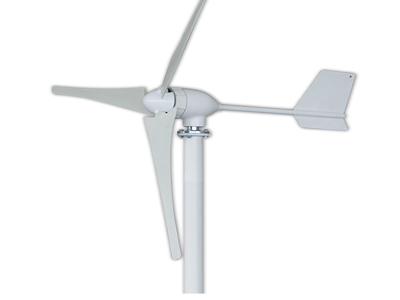
Ветровые турбины преобразуют кинетическую энергию ветра в электрическую энергию через роторы, генераторы и системы управления. Современные технологии включают горизонтально-осевые и вертикально-осевые турбины, с улучшениями в материалах (e.g., композитные лопасти) и интеллектуальных системах для оптимизации производства. Эффективность ветровых турбин зависит от факторов such as wind speed, turbine size, and location, with offshore wind farms offering higher capacity factors due to consistent winds. In Russia, advancements in cold-climate adaptations are crucial, as many regions experience low temperatures that can affect turbine performance. Research and development in this area, supported by collaborations with international partners, can drive innovation and reduce costs.
Глава 3: Потенциал ветроэнергетики в России
Россия обладает immense wind energy potential, particularly in coastal areas like the Arctic, the Far East, and southern regions, where wind speeds are high and consistent. Studies estimate that the technically feasible wind power capacity in Russia exceeds 100 GW, which could significantly contribute to the national grid. For instance, the Murmansk and Arkhangelsk regions have already seen pilot projects demonstrating viability. However, challenges such as infrastructure development, grid integration, and high initial costs need to be addressed. Government initiatives, like the Renewable Energy Program, aim to boost installed capacity, but more aggressive targets and incentives are required to unlock this potential fully.
Глава 4: Экономические и экологические преимущества
Развитие ветроэнергетики в России promises numerous economic benefits, including job creation, reduced dependency on imported technologies through localization, and lower long-term energy costs due to zero fuel expenses. Environmentally, wind power produces no greenhouse gas emissions during operation, helping Russia meet its Paris Agreement commitments and improve air quality. A life-cycle analysis shows that wind turbines have a low carbon footprint compared to fossil fuels, with recycling programs for blades and components minimizing waste. By investing in wind energy, Russia can enhance its energy independence while contributing to global sustainability goals.
Глава 5: Стратегические пути развития и рекомендации
To realize the future of wind energy in Russia, a multi-faceted strategy is essential. This includes increasing public and private investments, fostering research and innovation, improving regulatory frameworks, and enhancing international cooperation. Policies such as feed-in tariffs, tax incentives, and subsidies can attract investors, while partnerships with countries like Denmark or Germany can facilitate technology transfer. Additionally, focus on workforce training and community engagement will ensure social acceptance and smooth implementation. By setting ambitious targets—e.g., achieving 20 GW of wind capacity by 2035—Russia can solidify its position in the renewable energy landscape.
Заключение
В заключение, ветровые турбины indeed represent the future of renewable energy in Russia. With abundant natural resources, growing technological capabilities, and increasing global momentum towards sustainability, wind power can play a pivotal role in transforming Russia's energy sector. By addressing challenges proactively and leveraging opportunities, Russia can not only achieve energy security and economic growth but also become a key player in the fight against climate change. The time to act is now, and wind energy should be at the forefront of Russia's energy strategy for decades to come.
Эта статья подчёркивает необходимость срочных действий и стратегического планирования для harnessing the power of wind, ensuring a greener and more prosperous future for Russia.
Предыдущий: Как инновационные технологии повышают эффективность ветрогенераторов
Следующий: Сколько стоит установка ветряной электростанции и окупится ли она
