
Эффективные стратегии внедрения ветрогенераторов в энергосистему современности
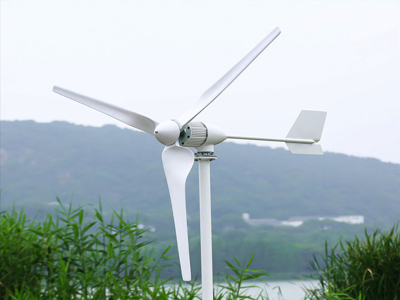
В современном мире, где экологические проблемы и зависимость от ископаемых топлив становятся все более острыми, внедрение возобновляемых источников энергии, таких как ветрогенераторы, является ключевым элементом устойчивого развития. Эта статья подробно исследует эффективные стратегии интеграции ветряных турбин в энергосистемы, охватывая технологические инновации, экономические аспекты, политические меры и практические примеры. Мы рассмотрим, как ветровая энергия может не только сократить выбросы углекислого газа, но и повысить энергетическую безопасность, создать новые рабочие места и стимулировать экономический рост. От планирования и финансирования до реализации и мониторинга — каждая стратегия будет проанализирована с акцентом на максимизацию эффективности и минимизацию рисков. Присоединяйтесь к нам в этом путешествии по миру чистой энергии, и узнайте, как ваш регион или бизнес может воспользоваться преимуществами ветровой энергетики для построения greener будущего.
Введение в ветровую энергетику
Ветровая энергия — это один из самых быстрорастущих секторов возобновляемой энергетики, использующий силу ветра для генерации электричества. С древних времен человечество harnessed wind для различных целей, но только в последние десятилетия технологические достижения позволили эффективно интегрировать ветрогенераторы в масштабные энергосистемы. Современные ветряные турбины могут достигать высот более 100 метров и генерировать мегаватты энергии, питая тысячи домов. Их внедрение не только снижает зависимость от угля, нефти и газа, но и способствует борьбе с изменением климата, уменьшая выбросы парниковых газов. Однако успешная интеграция требует тщательного планирования, учитывающего местные условия, инфраструктуру и regulatory framework. В этой статье мы углубимся в ключевые стратегии, которые делают этот процесс эффективным и sustainable.
Преимущества ветровой энергии для современной энергосистемы
Внедрение ветрогенераторов предлагает множество преимуществ для энергосистем. Во-первых, это экологическая выгода: wind energy производит нулевые выбросы CO2 в процессе генерации, что помогает mitigate climate change и улучшить качество воздуха. Во-вторых, экономические преимущества: снижение затрат на топливо, создание jobs в manufacturing, installation, и maintenance, а также стабилизация energy prices за счет диверсификации источников. В-третьих, энергетическая безопасность: локальная генерация reduces dependence on imported fuels, enhancing national security. Additionally, wind energy is scalable and can be deployed in various settings, from offshore farms to small-scale rural applications. These benefits make it a cornerstone of the transition to a low-carbon economy, but realizing them fully depends on effective implementation strategies that address challenges such as intermittency and grid integration.
Технологические инновации в ветрогенераторах
Технологический прогресс сыграл pivotal role в making wind energy more efficient and cost-effective. Современные турбины feature larger blades, advanced materials, and smart control systems that optimize energy capture even at low wind speeds. Innovations like floating offshore turbines allow harnessing wind resources in deep waters, expanding potential sites. Energy storage solutions, such as batteries, are being integrated to address intermittency, ensuring a stable power supply. Digitalization and IoT enable real-time monitoring and predictive maintenance, reducing downtime and costs. These advancements not only increase the capacity factor of wind farms but also make them more reliable and easier to integrate into existing grids. Investing in R&D and adopting these technologies is a crucial strategy for maximizing the benefits of wind energy deployment.
Экономические стратегии финансирования и инвестиций
Финансирование является critical aspect внедрения ветрогенераторов. Эффективные стратегии включают привлечение public and private investments through mechanisms like green bonds, subsidies, tax incentives, and power purchase agreements (PPAs). Governments can play a key role by offering feed-in tariffs or auctions that guarantee stable prices for wind energy, reducing investor risk. Public-private partnerships (PPPs) can leverage expertise and capital from both sectors to develop large-scale projects. Additionally, crowdfunding and community-owned models empower local populations to participate and benefit directly. Cost-benefit analysis should be conducted to assess the long-term economic viability, considering factors like capital expenditure, operational costs, and potential savings from reduced fossil fuel imports. By securing adequate funding and minimizing financial barriers, wind energy projects can achieve faster rollout and higher returns.
Политические и regulatory framework
Успешное внедрение ветрогенераторов heavily relies on supportive policies and regulations. Governments need to establish clear targets for renewable energy adoption, such as mandating a certain percentage of wind power in the energy mix. Streamlining permitting processes can accelerate project development by reducing bureaucratic delays. Environmental impact assessments (EIAs) are essential to ensure sustainability and address concerns like wildlife protection and noise pollution. Grid codes must be updated to facilitate the integration of variable renewable sources, including requirements for grid stability and energy storage. International cooperation, through agreements like the Paris Agreement, fosters knowledge sharing and funding for global wind energy initiatives. By creating a favorable regulatory environment, policymakers can incentivize investment and ensure that wind energy contributes effectively to national energy goals.
Практические шаги по планированию и реализации
Планирование и implementation wind energy projects involve several practical steps. First, conduct a resource assessment to identify sites with high wind potential using meteorological data and GIS tools. Next, engage stakeholders, including local communities, utilities, and environmental groups, to build consensus and address opposition. Design the project layout to maximize energy yield while minimizing environmental impact. Procurement of turbines and components should prioritize quality and reliability. During construction, ensure adherence to safety standards and timelines. Post-installation, focus on operation and maintenance (O&M) through regular inspections and use of predictive analytics to prevent failures. Monitoring performance metrics, such as capacity factor and availability, helps optimize efficiency. Training local workforce for O&M tasks creates sustainable jobs and enhances project longevity. These steps, when executed meticulously, lead to successful and efficient wind energy integration.
Примеры успешных внедрений по всему миру
Множество стран демонстрируют successful integration of wind energy into their grids. For instance, Denmark generates over 40% of its electricity from wind, thanks to long-term policy support and advanced grid management. Germany's Energiewende initiative has made it a leader in renewables, with extensive onshore and offshore wind farms. China leads in installed capacity, driven by massive government investments and manufacturing capabilities. In the United States, states like Texas and Iowa have harnessed wind power to reduce emissions and create economic opportunities. Offshore projects in the UK, such as Hornsea One, showcase the potential of large-scale wind farms. These examples highlight the importance of tailored strategies that consider local conditions, strong governance, and continuous innovation. Learning from these successes can guide other regions in adopting similar approaches to achieve their energy transition goals.
Вызовы и решения при интеграции
Несмотря на преимущества, integration of wind energy faces challenges. Intermittency is a major issue, as wind power output varies with weather conditions. Solutions include investing in energy storage systems (e.g., batteries), developing hybrid systems with other renewables, and enhancing grid flexibility through smart grids and demand response. Grid congestion can occur if transmission infrastructure is inadequate; upgrading grids and building new lines are necessary. Environmental concerns, such as bird and bat collisions, require mitigation measures like careful siting and turbine shutdown during migration periods. Social acceptance can be hindered by visual impact or noise; community engagement and compensating affected parties help overcome resistance. Economic challenges like high initial costs are addressed through cost reductions from technological advancements and economies of scale. By proactively tackling these challenges, wind energy can be seamlessly integrated into modern energy systems.
Будущее ветровой энергетики и заключение
Будущее ветровой энергетики looks promising, with trends pointing towards larger turbines, floating platforms, and increased digitalization. The global push for decarbonization, supported by initiatives like the Green New Deal, will drive further adoption. Innovations in materials science may lead to lighter and more efficient blades, while AI and machine learning could optimize energy production and grid integration. The cost of wind energy is expected to continue falling, making it competitive with fossil fuels. However, sustained effort is needed in policy support, R&D, and international collaboration. In conclusion, effective strategies for integrating wind generators into modern energy systems involve a holistic approach that combines technology, economics, policy, and community engagement. By embracing these strategies, we can harness the power of wind to build a sustainable, resilient, and prosperous energy future for generations to come. Start your journey towards clean energy today—explore how wind power can transform your energy landscape!
Призыв к действию: Узнайте больше о возможностях ветровой энергетики для вашего бизнеса или региона. Свяжитесь с нашими экспертами для консультации и начните внедрять sustainable решения уже сейчас!
Предыдущий: Оптимизация мощности ветряков практические рекомендации экспертов
Следующий: Выбирайте ветрогенераторы стандартной модели для надежного энергоснабжения
