
Как работает вертикальноосевой ветрогенератор и почему он эффективен
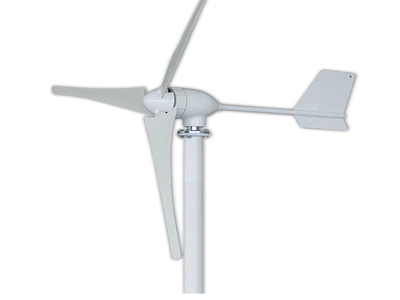
В современном мире, где экологические проблемы и поиск устойчивых источников энергии становятся все более актуальными, ветроэнергетика занимает важное место. Среди различных типов ветрогенераторов вертикальноосевые модели привлекают внимание благодаря своей уникальной конструкции и эффективности. В этой статье мы подробно рассмотрим, как работает вертикальноосевой ветрогенератор, и почему он считается одним из наиболее перспективных решений в области возобновляемой энергетики. Мы охватим технические основы, сравнения с горизонтальноосевыми аналогами, преимущества, а также реальные примеры применения, чтобы дать вам полное представление об этом инновационном устройстве.
Введение в ветроэнергетику
Ветроэнергетика — это отрасль энергетики, основанная на преобразовании кинетической энергии ветра в электрическую энергию. Она играет ключевую роль в снижении зависимости от ископаемых топлив и сокращении выбросов парниковых газов. История ветроэнергетики насчитывает тысячелетия: от простых ветряных мельниц, используемых для помола зерна, до современных высокотехнологичных турбин. Сегодня ветряные электростанции становятся все более распространенными, особенно в регионах с сильными и постоянными ветрами, таких как прибрежные зоны и равнины.
Основные типы ветрогенераторов делятся на горизонтальноосевые (HAWT) и вертикальноосевые (VAWT). Горизонтальноосевые генераторы, с их знакомыми пропеллерными лопастями, доминируют на рынке благодаря высокой эффективности при оптимальных условиях. Однако вертикальноосевые генераторы, хотя и менее распространены, обладают рядом уникальных преимуществ, которые делают их подходящими для определенных применений, таких как городская среда или места с переменными ветрами.
Рост интереса к вертикальноосевым ветрогенераторам связан с их способностью работать при низких скоростях ветра, меньшим уровнем шума и более простой установкой. В этой статье мы углубимся в детали их работы и объясним, почему они эффективны даже в условиях, где традиционные генераторы могут быть менее продуктивными.
Что такое вертикальноосевой ветрогенератор?
Вертикальноосевой ветрогенератор (VAWT) — это тип ветровой турбины, у которой основная ось вращения расположена вертикально, перпендикулярно земле. В отличие от горизонтальноосевых генераторов, где лопасти вращаются вокруг горизонтальной оси, VAWT имеют лопасти, которые движутся вокруг вертикальной оси. Это позволяет им улавливать ветер с любого направления без необходимости механизма ориентирования на ветер, что упрощает конструкцию и снижает затраты на обслуживание.
Конструкция VAWT может варьироваться, но наиболее распространенные типы включают:
- Савониусовые турбины: характеризуются S-образными лопастями и работают на основе сопротивления ветра. Они просты в изготовлении, но имеют относительно низкий КПД.
- Дарьевы турбины: используют аэродинамическую подъемную силу и имеют изогнутые лопасти. Они более эффективны, чем савониусовые, но могут требовать внешнего запуска.
- Гибридные модели: сочетают элементы обоих типов для улучшения производительности.
Исторически, вертикальноосевые генераторы были изобретены еще в древности, но современные разработки начались в XX веке. Например, турбина Дарье была запатентована в 1931 году, и с тех пор технология постоянно совершенствовалась. Сегодня VAWT находят применение в малой энергетике, например, для питания отдельных зданий или в удаленных районах, где подключение к центральной сети затруднено.
Ключевое отличие VAWT от горизонтальноосевых аналогов заключается в их универсальности: они могут работать в турбулентных потоках ветра, typical для городских условий, где здания создают переменные направления ветра. Это делает их идеальными для интеграции в умные города и устойчивую инфраструктуру.
Принцип работы вертикальноосевого ветрогенератора
Принцип работы вертикальноосевого ветрогенератора основан на преобразовании кинетической энергии ветра в механическую энергию вращения, которая затем преобразуется в электрическую энергию через генератор. Процесс можно разбить на несколько этапов:
- Улавливание ветра: Лопасти VAWT designed to capture wind from any direction. Когда ветер дует, он создает силу на лопастях, вызывая их rotation around the vertical axis. В савониусовых турбинах это происходит due to drag force, where the wind pushes against the blades. In Darrieus turbines, lift force is used, similar to airplane wings, where the shape of the blades creates a pressure difference that induces rotation.
- Вращение и передача энергии: Вращательное движение лопастей передается на вал, connected to a generator. Этот вал может быть directly coupled or through a gearbox to increase rotational speed for better efficiency. Генератор, typically an alternator, converts the mechanical energy into electrical energy using electromagnetic induction.
- Выработка электричества: Generated electricity is then conditioned through inverters and controllers to match grid standards or store in batteries for later use. Современные VAWT often include smart systems for monitoring wind speed and optimizing performance.
Важным аспектом является то, что VAWT не require a yaw mechanism to turn into the wind, as their design allows omnidirectional operation. Это снижает mechanical complexity and maintenance needs. Однако, их efficiency can be lower at high wind speeds compared to HAWT, but they excel in low and variable wind conditions.
Для example, в городской среде, где ветер часто меняет направление из-за зданий, VAWT can maintain consistent operation without frequent adjustments. Это делает их particularly effective for decentralized energy production.
Преимущества вертикальноосевых ветрогенераторов
Вертикальноосевые ветрогенераторы offer several advantages that contribute to their effectiveness and growing popularity:
- Всенаправленность: Они can capture wind from any direction without need for orientation systems, reducing complexity and cost.
- Низкая скорость запуска: VAWT often start rotating at lower wind speeds (e.g., 2-3 m/s) compared to HAWT, making them suitable for areas with light winds.
- Компактность и integration: Their vertical design allows for installation in tight spaces, such as rooftops or urban areas, where horizontal turbines might not fit.
- Сниженный шум: Due to lower tip speeds and different blade design, VAWT produce less noise, which is beneficial for residential applications.
- Упрощенное обслуживание:关键 components like the generator are often located at ground level, facilitating easy access for repairs and maintenance.
- Экологичность: They have a smaller footprint and can be made from recyclable materials, aligning with green energy goals.
These advantages make VAWT effective in scenarios where traditional wind turbines are less practical. For instance, in off-grid communities or for supplementing power in buildings, VAWT can provide reliable energy with minimal environmental impact.
Сравнение с горизонтальноосевыми ветрогенераторами
Чтобы fully appreciate the effectiveness of VAWT, it's important to compare them with horizontal-axis wind turbines (HAWT). HAWT are the most common type and are known for their high efficiency under ideal conditions, but they have limitations:
- Efficiency: HAWT generally have higher power coefficients (up to 40-50%) compared to VAWT (20-30%), meaning they convert more wind energy into electricity in steady, high-wind environments.
- Orientation: HAWT require yaw mechanisms to face the wind, adding complexity and potential failure points.
- Space requirements: HAWT need large open areas and tall towers to avoid turbulence, whereas VAWT can be installed in more confined spaces.
- Noise and safety: HAWT can be noisy and pose risks to birds, while VAWT are quieter and often considered safer.
Despite lower peak efficiency, VAWT excel in applications where wind conditions are variable or space is limited. For example, in urban settings, VAWT can harness wind from multiple directions without issue, whereas HAWT might struggle with turbulence from buildings.
Real-world data shows that in mixed-wind environments, VAWT can achieve comparable annual energy production due to their ability to operate continuously. This makes them a cost-effective choice for certain niches, such as small-scale renewable energy projects.
Эффективность и производительность
Эффективность вертикальноосевых ветрогенераторов измеряется through metrics like power coefficient, capacity factor, and energy yield. The power coefficient (Cp) for VAWT typically ranges from 0.2 to 0.35, meaning they convert 20-35% of wind energy into electricity, while HAWT can reach up to 0.5. However, effectiveness isn't solely about peak efficiency; it's about performance in real conditions.
VAWT are effective because:
- They operate well in turbulent winds, common in cities, leading to higher capacity factors in such environments.
- Their ability to start at low wind speeds means they generate power more consistently over time, reducing reliance on backup systems.
- Advances in materials and design, such as using composite blades and optimized shapes, have improved their efficiency. For instance, modern Darrieus turbines can achieve Cp values close to 0.4 under certain conditions.
Studies have shown that in locations with average wind speeds of 4-6 m/s, VAWT can produce energy cost-effectively. For example, a small VAWT installed on a building roof might generate enough electricity to power lighting or small appliances, contributing to energy savings and sustainability.
Moreover, the levelized cost of energy (LCOE) for VAWT is decreasing as technology matures, making them competitive with other renewable sources in specific applications.
Применения и примеры из практики
Вертикальноосевые ветрогенераторы find applications in various fields due to their versatility:
- Городская энергетика: Installed on rooftops or in parks to provide local power for street lighting, buildings, or electric vehicle charging stations. Cities like Tokyo and New York have pilot projects using VAWT to reduce carbon footprints.
- Удаленные и off-grid areas: Used in rural communities or islands where grid connection is expensive. VAWT can be combined with solar panels for hybrid systems ensuring continuous power supply.
- Промышленное использование: In industries, VAWT can power small machinery or serve as backup power sources, enhancing energy resilience.
- Образование и исследования: Universities and research institutions use VAWT for studying wind energy and developing new technologies.
A notable example is the Windspire turbine, a commercial VAWT designed for residential use. It has been deployed in multiple countries, demonstrating reliability and effectiveness in diverse climates. Another example is the use of VAWT in wind farms in China, where they complement HAWT to maximize energy capture in variable wind conditions.
These practical cases highlight how VAWT contribute to energy diversity and sustainability, offering a pragmatic solution for modern energy challenges.
Заключение
В заключение, вертикальноосевой ветрогенератор представляет собой эффективное и versatile решение в ветроэнергетике. Его ability to work in various wind conditions, compact design, and lower environmental impact make it a valuable tool for transitioning to renewable energy. While not as efficient as horizontal-axis turbines in ideal settings, VAWT excel in real-world scenarios where wind is unpredictable or space is limited.
As technology advances, we can expect further improvements in efficiency and cost-effectiveness, making VAWT an increasingly important part of the global energy mix. By investing in and deploying these generators, we can move towards a more sustainable and resilient energy future.
Whether for urban integration, remote power, or educational purposes, vertical-axis wind turbines offer a promising path forward. Their effectiveness is not just in numbers but in their adaptability to the challenges of modern energy needs.
Предыдущий: Гибкая оплата за ветрогенератор без процентов
Следующий: Надежное обслуживание ветрогенераторов ваш лучший выбор
