
Тихая революция в энергетике: низкошумные ветрогенераторы
В современном мире, где экологические проблемы и устойчивое развитие становятся все более актуальными, ветроэнергетика играет ключевую роль в переходе к зеленой экономике. Однако, традиционные ветрогенераторы часто сталкиваются с критикой из-за высокого уровня шума, который может негативно влиять на окружающую среду и здоровье людей. В ответ на это, инженеры и ученые разработали инновационные низкошумные ветрогенераторы, которые не только эффективно производят энергию, но и минимизируют акустическое воздействие. Эта статья погружает вас в мир тихой революции в энергетике, раскрывая технологии, преимущества и будущее низкошумных ветрогенераторов.
Введение в ветроэнергетику и вызовы шума
Ветроэнергетика — это отрасль, которая использует силу ветра для генерации электроэнергии. С древних времен люди применяли ветер для различных целей, таких как навигация и помол зерна, но только в XX веке ветрогенераторы стали массово использоваться для производства энергии. По данным Международного энергетического агентства (МЭА), доля ветроэнергетики в мировом производстве электроэнергии постоянно растет, достигнув более 7% в 2023 году, и ожидается, что к 2030 году этот показатель превысит 15%. Это связано с тем, что ветер — это возобновляемый и практически неиссякаемый ресурс, который помогает снизить зависимость от ископаемых топлив и уменьшить выбросы парниковых газов.
Однако, несмотря на многочисленные преимущества, ветроэнергетика сталкивается с серьезными вызовами. Один из главных — это шум, производимый ветрогенераторами. Шум возникает из-за вращения лопастей, работы механических компонентов и аэродинамических эффектов. Уровень шума традиционных ветрогенераторов может достигать 100 децибел на близком расстоянии, что сравнимо с шумом от движения грузовика. Это не только вызывает дискомфорт для людей, живущих поблизости, но и может негативно влиять на дикую природу, особенно на птиц и летучих мышей, которые используют звук для навигации и охоты. Кроме того, шум может снижать стоимость недвижимости в районах, где установлены ветряные фермы, и вызывать общественное сопротивление против новых проектов.
В ответ на эти вызовы, началась тихая революция — разработка и внедрение низкошумных ветрогенераторов. Эти инновационные устройства используют передовые технологии для снижения шума без ущерба для эффективности. В этой статье мы рассмотрим, как работают низкошумные ветрогенераторы, их преимущества, текущие применения и будущие тенденции. Мы также обсудим, как эти технологии способствуют достижению целей устойчивого развития и почему они являются ключевым элементом зеленой энергетики будущего.
Технологии снижения шума в ветрогенераторах
Низкошумные ветрогенераторы — это результат многолетних исследований и инженерных инноваций. Основные подходы к снижению шума включают модификацию конструкции лопастей, улучшение аэродинамики, использование звукопоглощающих материалов и интеграцию smart-технологий для адаптивного управления. Давайте подробнее рассмотрим каждую из этих технологий.
Модификация конструкции лопастей
Лопасти ветрогенератора — это основной источник шума, особенно аэродинамического шума, который возникает при взаимодействии лопастей с воздухом. Чтобы снизить этот шум, инженеры разработали лопасти с измененной геометрией. Например, добавление зазубрин или зубцов на заднюю кромку лопасти может разрушать вихри, которые вызывают шум. Исследования, проведенные в таких институтах, как Технический университет Дании, показали, что такие модификации могут снизить уровень шума на 3-5 децибел без значительного влияния на эффективность генерации энергии.
Еще один подход — использование гибких или адаптивных лопастей, которые могут менять форму в зависимости от скорости ветра. Это позволяет оптимизировать аэродинамику и минимизировать турбулентность, которая является основной причиной шума. Компании like Siemens Gamesa и Vestas уже внедрили такие технологии в свои последние модели ветрогенераторов. Например, лопасти с переменным углом атаки могут автоматически регулироваться для снижения шума при высоких скоростях ветра, сохраняя при этом высокую производительность.
Улучшение аэродинамики
Аэродинамические улучшения направлены на снижение сопротивления и турбулентности, что напрямую влияет на уровень шума. Это включает оптимизацию профиля лопастей, использование computational fluid dynamics (CFD) для моделирования потоков воздуха и разработку более плавных поверхностей. Например, применение покрытий с низким коэффициентом трения может уменьшить шум, вызванный трением воздуха о лопасти.
Кроме того, инженеры работают над уменьшением шума от механических компонентов, таких как редукторы и генераторы. Это достигается за счет использования более тихих материалов, таких как композиты с звукопоглощающими свойствами, и улучшения смазки и подшипников. В некоторых современных ветрогенераторах используются direct-drive системы, которые устраняют need for gearboxes, thereby reducing mechanical noise significantly.
Звукопоглощающие материалы и smart-технологии
Интеграция звукопоглощающих материалов в конструкцию ветрогенератора — это еще один эффективный способ снижения шума. Эти материалы, often made from porous composites or foams, absorb sound waves and prevent them from propagating into the environment. They can be applied to the nacelle, tower, and even the blades themselves.
Smart-технологии, такие как sensors and AI-based control systems, allow wind turbines to adapt their operation in real-time to minimize noise. For instance, if sensors detect that the turbine is producing excessive noise due to specific wind conditions, the system can automatically adjust the blade pitch or rotation speed to reduce it. This not only lowers noise but also optimizes energy output. Companies like GE Renewable Energy are pioneering such adaptive systems, which are becoming increasingly common in new installations.
Преимущества низкошумных ветрогенераторов
Низкошумные ветрогенераторы offer numerous benefits that extend beyond mere noise reduction. These advantages make them a compelling choice for the future of renewable energy.
Экологические преимущества
First and foremost, reduced noise pollution has a positive impact on the environment. It helps protect wildlife, particularly birds and bats, which are sensitive to acoustic disturbances. Studies have shown that low-noise turbines can decrease bird mortality rates by up to 30% compared to traditional models. Additionally, by minimizing noise, these turbines reduce the ecological footprint of wind farms, making them more compatible with natural habitats.
Moreover, low-noise wind generators contribute to the overall sustainability of energy production. They enable the installation of wind farms in areas previously considered unsuitable due to noise concerns, such as near residential zones or protected natural areas. This expands the potential for wind energy deployment, helping to accelerate the transition to a carbon-neutral economy.
Экономические и социальные преимущества
From an economic perspective, low-noise wind turbines can lower costs associated with noise mitigation measures, such as sound barriers or compensation for affected communities. They also enhance the acceptance of wind energy projects among local populations, reducing opposition and speeding up the permitting process. This can lead to faster project implementation and higher returns on investment.
Socially, these turbines improve the quality of life for people living near wind farms. Reduced noise levels mean less disturbance during sleep and daily activities, which can lead to better health outcomes and increased property values. In the long run, this fosters a more positive public perception of renewable energy, encouraging broader adoption.
Технические преимущества
Technically, low-noise wind generators often incorporate advanced materials and designs that improve overall efficiency and durability. For example, the use of composite materials in blades not only reduces noise but also enhances strength and resistance to fatigue, extending the lifespan of the turbine. Adaptive control systems optimize performance under varying conditions, ensuring consistent energy output while minimizing wear and tear.
Furthermore, the integration of smart technologies allows for predictive maintenance, where sensors monitor the turbine's health and alert operators to potential issues before they become serious problems. This reduces downtime and maintenance costs, making wind energy more reliable and cost-effective.
Текущие применения и case studies
Low-noise wind generators are already being deployed worldwide, with several successful projects demonstrating their effectiveness. Let's explore some notable examples.
Case study: Offshore wind farms in Europe
Europe is a leader in wind energy, and offshore wind farms have been at the forefront of adopting low-noise technologies. For instance, the Hornsea Project One in the UK, developed by Ørsted, utilizes turbines with specially designed blades and sound-absorbing materials to minimize noise. This has allowed the project to operate close to coastal communities without causing significant disturbance. Similarly, the Borssele wind farm in the Netherlands employs adaptive control systems to reduce noise during nighttime hours, addressing concerns from nearby residents.
These projects have shown that low-noise turbines can achieve noise levels as low as 35 decibels at a distance of 500 meters, which is quieter than a typical conversation. This has been instrumental in gaining public support and regulatory approval for expansive wind energy developments.
Case study: Urban and distributed wind energy
In urban areas, noise is a critical factor due to the high population density. Companies like Urban Green Energy have developed small-scale, low-noise wind turbines for rooftop installations. These turbines use vertical axis designs and sound-dampening technologies to operate quietly, making them suitable for cities. For example, installations in New York City and Tokyo have demonstrated that such turbines can provide supplemental power without adding to urban noise pollution.
Distributed wind energy, where turbines are installed near points of consumption, also benefits from low-noise technologies. In rural communities, such as those in Germany and Denmark, low-noise turbines have been integrated into agricultural landscapes, allowing farmers to generate energy without disrupting their operations or the local environment.
Future applications: Integrating with other renewables
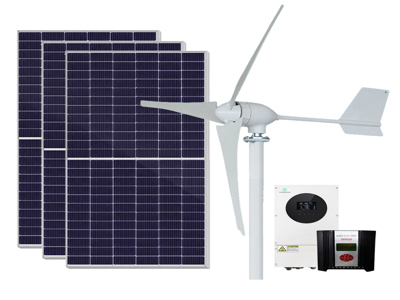
Looking ahead, low-noise wind generators are expected to play a key role in hybrid energy systems. For example, combining wind with solar power and energy storage can create more reliable and quiet energy sources. Projects in California and Australia are exploring this integration, using low-noise turbines to complement solar panels and batteries, ensuring a steady power supply with minimal environmental impact.
Будущие тенденции и инновации
The future of low-noise wind generators is bright, with ongoing research and development focused on further reducing noise and improving efficiency. Key trends include the use of artificial intelligence, advanced materials, and novel designs.
Искусственный интеллект и machine learning
AI and machine learning are revolutionizing wind energy by enabling more precise noise prediction and control. Algorithms can analyze vast amounts of data from sensors to optimize turbine operation in real-time, reducing noise during peak periods. For instance, Google's DeepMind has partnered with wind energy companies to develop AI systems that predict wind patterns and adjust turbines accordingly, minimizing noise and maximizing output.
Новые материалы и нанотехнологии
Advancements in materials science are leading to the development of lighter, stronger, and quieter components. Nanomaterials, such as carbon nanotubes and graphene-based composites, offer superior sound absorption and durability. These materials can be used in blades and other parts to further reduce noise while enhancing performance.
Инновационные designs: airborne and floating turbines
Emerging designs, such as airborne wind energy systems and floating offshore turbines, present new opportunities for low-noise energy generation. Airborne turbines, which use kites or drones to capture wind at higher altitudes, operate with minimal noise due to their distance from the ground. Floating turbines, deployed in deep waters, can be equipped with advanced noise-reduction technologies to protect marine life.
These innovations are still in the experimental stage but hold great promise for the future. For example, Makani's airborne wind system has demonstrated significantly lower noise levels compared to traditional turbines, and projects like Hywind Scotland show that floating turbines can be effectively quieted through design improvements.
Заключение: значение для устойчивого развития
В заключение, низкошумные ветрогенераторы представляют собой crucial step forward in the evolution of renewable energy. By addressing the noise issues associated with traditional wind power, they unlock new possibilities for sustainable development. These turbines not only protect the environment and improve public health but also enhance the economic viability of wind energy projects.
As we move towards a future dominated by clean energy, low-noise wind generators will be essential in achieving global climate goals, such as those outlined in the Paris Agreement. They demonstrate that innovation and sustainability can go hand in hand, paving the way for a quieter, greener world. The quiet revolution in energy is here, and it is set to transform how we harness the power of wind for generations to come.
Investing in and adopting these technologies is not just a choice for energy companies but a responsibility for society as a whole. By embracing low-noise wind generators, we can ensure that our transition to renewable energy is both effective and harmonious with the natural world.
Предыдущий: Ветер революции в генерации энергии без углеродного следа
Следующий: Ветряные турбины экономят миллионы долларов ежегодно
