
Ветрогенераторы для судов экономьте топливо и защищайте природу
В современном мире, где экологические проблемы становятся все более актуальными, судоходная индустрия сталкивается с серьезными вызовами. Высокие затраты на топливо и растущее давление со стороны регуляторов требуют инновационных решений. Одним из таких решений являются ветрогенераторы для судов – технология, которая не только помогает экономить топливо, но и вносит вклад в защиту природы. В этой статье мы подробно рассмотрим, как ветрогенераторы могут преобразовать морские перевозки, снизить эксплуатационные расходы и сделать наш мир чище.
Введение в ветроэнергетику для судов
Ветроэнергетика – это не новая концепция; люди использовали силу ветра для движения судов на протяжении тысячелетий. Однако современные ветрогенераторы представляют собой высокотехнологичные устройства, которые интегрируются в суда для генерации электроэнергии, снижая зависимость от традиционных двигателей. Это особенно важно в контексте глобальных усилий по сокращению выбросов парниковых газов и переходу к устойчивому развитию.
Судоходство является одним из крупнейших источников загрязнения окружающей среды. По данным Международной морской организации (IMO), на морской транспорт приходится около 2,5% глобальных выбросов CO2. Это огромная цифра, и без принятия мер она может только расти. Ветрогенераторы предлагают практический способ смягчить это воздействие, используя возобновляемый источник энергии – ветер.
Преимущества ветрогенераторов для судов многогранны. Они включают в себя прямую экономию топлива, что снижает операционные затраты для судовладельцев. Кроме того, уменьшение выбросов способствует улучшению качества воздуха и защите морских экосистем. В долгосрочной перспективе это может такжеenhance репутацию компаний, демонстрируя их приверженность экологической ответственности.
В этой статье мы углубимся в детали того, как работают ветрогенераторы на судах, их технические характеристики, экономические выгоды, экологические преимущества и практические примеры внедрения. Мы также обсудим будущие тенденции и то, как эта технология может стать стандартом в судоходной индустрии.
Как работают ветрогенераторы на судах
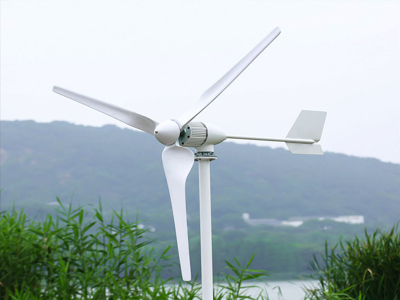
Ветрогенераторы для судов функционируют по тому же принципу, что и наземные ветряные турбины: они преобразуют кинетическую энергию ветра в механическую, а затем в электрическую энергию. Однако их дизайн и интеграция адаптированы для морских условий. Обычно они устанавливаются на палубе или интегрируются в конструкцию судна, чтобы минимизировать аэродинамическое сопротивление и максимизировать эффективность.
Основные компоненты ветрогенератора включают лопасти, которыеcapture ветер; генератор, который преобразует вращательное движение в электричество; и систему управления, которая оптимизирует производительность в зависимости от скорости ветра и условий плавания. Современные системы often incorporate smart технологии, такие как датчики и алгоритмы, чтобы автоматически ajust угол лопастей для максимальной эффективности.
На судах ветрогенераторы могут использоваться для питания различных onboard систем, таких как освещение, навигационное оборудование, системы кондиционирования и даже вспомогательные двигатели. Это снижает нагрузку на главные двигатели, которые typically работают на ископаемом топливе, thereby уменьшаяconsumption топлива и выбросы.
Эффективность ветрогенераторов зависит от нескольких факторов, включая скорость ветра, размер и тип судна, а также географическое расположение маршрута. В среднем, хорошо спроектированная система может генерировать enough электроэнергии to cover до 20-30% energy needs судна, leading to substantial savings.
Интеграция ветрогенераторов требует careful планирования. Судовладельцы должны учитывать вес, баланс и аэродинамику судна. Однако с advancements в materials и инженерии, modern ветрогенераторы designed to be lightweight и durable, making them suitable for long voyages in harsh marine environments.
Экономические выгоды: Экономия топлива и снижение затрат
Одним из наиболее compelling преимуществ ветрогенераторов для судов является значительная экономия топлива. Топливо составляет one of the largest operational expenses в судоходстве, often accounting for up to 50-60% of total costs. By reducing reliance on fossil fuels, ветрогенераторы can directly lower these expenses.
For example, a large container ship consuming 100 tons of fuel per day could save 10-20 tons daily with an effective wind generator system. At current fuel prices, this translates to savings of thousands of dollars per day. Over a year, these savings can accumulate to millions, making the investment in wind technology highly profitable.
The initial investment in wind generators includes the cost of equipment, installation, and potential modifications to the vessel. However, the payback period is often short, typically ranging from 2 to 5 years, depending on factors such as fuel prices, wind conditions, and ship usage. Many shipowners report a return on investment (ROI) of over 20% annually.
Additionally, wind generators can reduce maintenance costs associated with main engines. By offloading some of the electrical load, the engines experience less wear and tear, leading to longer intervals between repairs and lower spare parts costs. This further enhances the economic benefits.
Governments and international organizations are also offering incentives for adopting green technologies. Tax credits, subsidies, and carbon trading schemes can offset the initial costs and improve the financial viability of wind generators. For instance, the European Union's Emissions Trading System (ETS) now includes shipping, providing monetary incentives for reducing emissions.
Case studies from companies like Maersk and NYK Line show that integrating wind assistance technologies has led to fuel savings of 5-10% on certain routes. These real-world examples demonstrate the tangible economic advantages and encourage wider adoption across the industry.
Экологические преимущества: Защита природы и сокращение выбросов
Beyond economic gains, wind generators play a crucial role in environmental protection. The shipping industry is a major contributor to air pollution, emitting sulfur oxides (SOx), nitrogen oxides (NOx), and particulate matter, in addition to CO2. These pollutants have detrimental effects on human health and marine ecosystems.
By harnessing wind power, ships can significantly reduce their emissions. For instance, a wind generator system that covers 20% of a ship's energy needs can cut CO2 emissions by a corresponding amount. This contributes to global efforts to combat climate change, as outlined in agreements like the Paris Agreement and IMO's Initial GHG Strategy, which aims to reduce shipping emissions by 50% by 2050.
Reducing emissions also helps protect marine life. Air pollutants can acidify oceans and harm aquatic organisms, while oil spills from fuel operations pose direct threats. Wind generators minimize these risks by decreasing the need for fuel handling and combustion.
Furthermore, wind energy is renewable and abundant, especially in ocean regions where winds are strong and consistent. Unlike fossil fuels, it does not deplete natural resources or contribute to resource conflicts. This makes it a sustainable choice for the long term.
The environmental benefits extend to improved air quality in port cities and coastal areas. Ships often idle near ports, emitting high levels of pollution. With wind generators, they can reduce emissions during these periods, leading to healthier communities and compliance with increasingly strict environmental regulations.
Overall, adopting wind generators aligns with corporate social responsibility (CSR) goals. Companies that invest in green technologies enhance their brand image, attract environmentally conscious customers, and contribute to a cleaner planet for future generations.
Технические аспекты и инновации
The technology behind wind generators for ships has evolved significantly. Early designs were simple and inefficient, but modern systems incorporate advanced materials and smart controls. Key innovations include lightweight composite materials for blades, which reduce weight and increase durability, and direct-drive generators that eliminate the need for gearboxes, enhancing reliability.
Integration with other renewable energy sources is another trend. Some ships combine wind generators with solar panels or energy storage systems to create hybrid power solutions. This ensures a steady power supply even when wind conditions are suboptimal, such as during calm weather.
Automation and IoT (Internet of Things) play a big role in optimizing performance. Sensors monitor wind speed, direction, and ship dynamics, feeding data to control systems that adjust the blades in real-time. This maximizes energy capture and minimizes drag, ensuring efficient operation across various sailing conditions.
Challenges remain, such as the space required for installation and potential interference with ship operations. However, designers are addressing these issues with compact, retractable, or integrated designs that blend seamlessly with the vessel's structure. For example, some newbuild ships are being designed with wind turbines built into the hull or superstructure.
Testing and certification are critical for safety and performance. Organizations like DNV GL and Lloyd's Register provide guidelines and standards for wind-assisted propulsion systems. Compliance with these standards ensures that the technology is reliable and safe for marine use.
Looking ahead, research is focused on improving efficiency and reducing costs. Innovations like airborne wind energy systems, which use kites or drones to capture wind at higher altitudes, are being explored. These could offer even greater savings and environmental benefits in the future.
Практические примеры и истории успеха
Numerous shipping companies have successfully implemented wind generators, demonstrating their feasibility and benefits. One notable example is the MV Afros, a bulk carrier fitted with Flettner rotors, a type of wind-assisted propulsion. After installation, the ship reported fuel savings of up to 8% on transoceanic voyages, translating to reduced emissions and costs.
Another success story comes from the cruise industry. Hurtigruten, a Norwegian cruise line, has integrated wind generators on some of its vessels to power auxiliary systems. This has not only cut fuel consumption but also enhanced the passenger experience by promoting eco-friendly travel.
In the container shipping sector, companies like CMA CGM and Hapag-Lloyd are experimenting with wind technologies. For instance, CMA CGM's new LNG-powered ships are designed to be compatible with wind assistance, aiming for a 10-15% reduction in fuel use. These initiatives show a growing commitment to sustainability.
Smaller vessels, such as fishing boats and ferries, are also benefiting. In regions like the North Sea and the Baltic, where winds are strong, wind generators have proven highly effective. A case study from a ferry operator in Denmark showed a 12% decrease in fuel costs after installing a small wind turbine system.
These examples highlight that wind generators are not just theoretical but practical solutions already in use. They provide valuable insights for other shipowners considering adoption, showing that with proper planning, the technology can be seamlessly integrated into existing fleets.
Lessons learned include the importance of crew training and maintenance. Operators need to understand how to optimize the system for different conditions, and regular inspections are essential to ensure longevity and performance.
Будущие перспективы и тенденции
The future of wind generators in shipping looks promising. As technology advances and costs decrease, adoption is expected to accelerate. IMO's regulations, such as the Energy Efficiency Existing Ship Index (EEXI) and Carbon Intensity Indicator (CII), will drive demand for energy-saving technologies like wind generators.
Innovations in materials science may lead to even lighter and more efficient turbines. For example, the use of graphene or other nanomaterials could enhance strength and reduce weight, making installations easier and more effective.
Collaboration between industries is key. Partnerships between shipbuilders, energy companies, and research institutions are fostering new developments. Projects like the EU-funded Wind Assisted Ship Propulsion (WASP) project are exploring scalable solutions for the mass market.
Digitalization will play a larger role. Big data and AI can predict optimal routes based on wind patterns, further maximizing savings. Imagine a ship that dynamically adjusts its course to harness the best winds, similar to how sailors did centuries ago but with modern precision.
Ultimately, wind generators could become a standard feature on newbuild ships, much like GPS or automated systems. This would significantly reduce the carbon footprint of global shipping and contribute to a more sustainable maritime industry.
In conclusion, wind generators offer a win-win solution: they save money and protect the environment. By investing in this technology, shipowners can future-proof their operations and play a part in creating a greener world.
Заключение
Ветрогенераторы для судов представляют собой transformative технологию, которая combines экономическую выгоду с экологической ответственностью. Они позволяют significantly economize топливо, reduce выбросы, и contribute к защите морских экосистем. С advancements в инженерии и growing regulatory pressure, их adoption будет only increase.
Для судовладельцев, сейчас идеальное время to explore эту технологию. Начните с консультации experts, evaluate ваши specific needs, и consider пилотные проекты. Будущее судоходства – за устойчивыми решениями, и ветрогенераторы находятся в авангарде этого движения.
Присоединяйтесь к растущему числу companies, которые уже пожинают benefits ветроэнергетики. Вместе мы можем сделать морские перевозки более efficient и eco-friendly, ensuring a brighter future for all.
Предыдущий: Как выбрать качественную клеммную коробку для ветрогенератора
Следующий: Революционные сенсоры ветрогенераторов повышают эффективность на 50 процентов
