
Ветрогенераторы будущего какова роль компонентов
Введение: Ветроэнергетика стала одним из столбов глобального перехода к возобновляемым источникам энергии. С ростом спроса на чистую энергию и необходимостью борьбы с изменением климата ветрогенераторы эволюционируют, становясь более эффективными, надежными и интегрированными в умные сети. Эта статья углубляется в компоненты ветрогенераторов будущего, исследуя их роль в повышении производительности, снижении затрат и обеспечении устойчивости. Мы рассмотрим ключевые инновации, вызовы и будущие тенденции, подчеркивая, как каждый компонент вносит вклад в общий успех ветроэнергетики.
Исторический контекст и эволюция ветрогенераторов
Ветроэнергетика имеет древние корни, начиная с простых ветряных мельниц, используемых для помола зерна и перекачки воды. Однако современная эра ветрогенераторов началась в конце XIX века с изобретения электрических генераторов. Первые коммерческие ветряные турбины, такие как те, что разработаны в Дании в 1890-х годах, были небольшими и неэффективными, с мощностью всего несколько киловатт. К середине XX века технология продвинулась, но оставалась нишевой из-за высокой стоимости и ограниченной надежности.
Переломный момент наступил в 1970-х годах с нефтяным кризисом, который стимулировал инвестиции в альтернативную энергетику. Правительства и компании начали активно развивать ветроэнергетику, приводя к созданию более крупных и эффективных турбин. В 1980-х и 1990-х годах появились первые мегаваттные турбины, а к 2000-м годам ветроэнергетика стала конкурентоспособной с традиционными источниками энергии благодаря снижению затрат и улучшению технологий.
Сегодня ветрогенераторы достигли впечатляющих масштабов: офшорные турбины могут иметь мощность свыше 15 МВт и лопасти длиной более 100 метров. Эволюция компонентов сыграла ключевую роль в этом прогрессе. Например, улучшения в материалах лопастей, таких как композитные волокна, позволили увеличить их прочность и снизить вес, что повысило эффективность захвата ветра. Аналогично, advancements in генераторах и системах управления сделали турбины более адаптивными к изменяющимся условиям ветра.
Исторически, основными компонентами ветрогенераторов были ротор (включая лопасти), генератор, башня и система управления. Ранние модели часто использовали простые механические системы, но с внедрением электроники и цифровых технологий компоненты стали более сложными и интегрированными. Это эволюция подготовила почву для будущих инноваций, где компоненты будут играть еще более критическую роль в оптимизации производительности и интеграции с другими энергетическими системами.
В будущем, компоненты ветрогенераторов будут продолжать эволюционировать под влиянием таких тенденций, как искусственный интеллект, Интернет вещей (IoT) и устойчивые материалы. Это не только улучшит эффективность, но и снизит environmental impact, делая ветроэнергетику cornerstone глобальной энергетической трансформации. В следующих разделах мы подробно исследуем каждый ключевой компонент и его будущую роль.
Ключевые компоненты ветрогенераторов и их функции
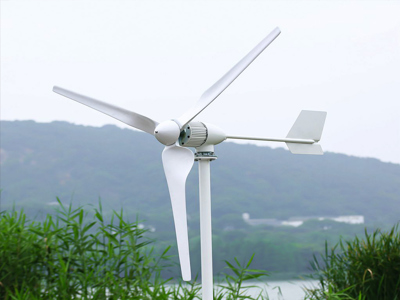
Ветрогенератор состоит из нескольких основных компонентов, каждый из которых выполняет critical функцию в преобразовании кинетической энергии ветра в электрическую. Понимание этих компонентов essential для оценки их будущей эволюции и роли.
Лопасти ротора: Это, пожалуй, самый видимый компонент ветрогенератора. Лопасти designed to capture энергию ветра и передавать ее на ротор. Их аэродинамическая форма optimized для максимизации lift и минимизации drag. В будущем, лопасти будут made from advanced materials, such as углеродное волокно или биокомпозиты, которые lighter, stronger, и более durable. Additionally, smart лопасти с embedded sensors будут able to адаптировать свою форму в real-time к изменяющимся wind conditions, повышая efficiency и reducing wear and tear.
Генератор: Сердце ветрогенератора, генератор преобразует mechanical energy from the rotor into electrical energy. Traditional генераторы based on electromagnetic induction, but future innovations may include superconducting генераторы или direct-drive системы, которые eliminate the need for gearboxes, reducing maintenance costs and increasing reliability. Роль генератора в будущем будет заключаться в обеспечении более высокой эффективности преобразования и интеграции с energy storage systems, such as batteries, для стабилизации output.
Башня: Башня поддерживает турбину и поднимает ее на высоту, где ветровые условия более стабильны и сильны. Future башни могут быть modular и made from sustainable materials, such as recycled steel или advanced composites, to reduce environmental impact. Additionally, taller башни will enable access to better wind resources, especially in regions with lower wind speeds. Интеграция sensors into башни will allow for continuous monitoring of structural health, predicting maintenance needs and preventing failures.
Система управления: Это мозг ветрогенератора, consisting of electronics and software that monitor and control operation. Future системы управления will leverage artificial intelligence (AI) and machine learning to optimize performance based on real-time data. For example, AI algorithms can predict wind patterns and adjust blade pitch or yaw to maximize energy capture. Moreover, these systems will facilitate integration with smart grids, enabling demand response and grid stability.
Other components include the nacelle ( housing for the generator and gearbox), gearbox ( if present), and foundation. Each plays a vital role, and future advancements will focus on making them more efficient, reliable, and cost-effective. For instance, direct-drive systems eliminate the gearbox, reducing mechanical complexity and maintenance. Similarly, innovative foundation designs, such as floating platforms for offshore turbines, will expand the potential for wind energy in deep waters.
В целом, компоненты ветрогенераторов are interdependent, and improvements in one area can cascade to enhance overall performance. The future role of these components will be to enable higher capacity factors, lower levelized cost of energy (LCOE), and greater grid integration, ultimately contributing to a more sustainable energy future.
Инновации в материалах и конструкциях компонентов
Инновации в материалах и конструкциях are driving the future of wind turbine components, making them lighter, stronger, and more environmentally friendly. These advancements are critical for reducing costs, improving efficiency, and extending lifespan.
Для лопастей, традиционные материалы like fiberglass are being replaced with advanced composites, such as carbon fiber reinforced polymers (CFRP). CFRP offers higher strength-to-weight ratio, allowing for longer blades that capture more wind energy without increasing weight significantly. Future innovations may include bio-based composites made from renewable resources, reducing the carbon footprint of manufacturing. Additionally, additive manufacturing (3D printing) could enable custom-designed blades with optimized aerodynamics, produced on-site to reduce transportation costs.
В генераторах, superconducting materials are being explored to create more efficient generators with higher power density. Superconductors can carry electric current with zero resistance, reducing energy losses and allowing for smaller, lighter generators. This is particularly beneficial for offshore turbines, where weight and space are constraints. Another trend is the use of permanent magnet generators, which offer higher efficiency and reliability compared to traditional induction generators.
Башни также видят инновации в материалах. Steel remains common, but hybrid designs incorporating concrete or composites are emerging to support taller structures. For example, segmented concrete towers can be assembled on-site, reducing logistics challenges. In the future, we might see towers made from advanced materials like graphene-enhanced composites, offering exceptional strength and lightness. Moreover, modular designs will facilitate easier maintenance and upgrades.
Системы управления benefit from digital innovations. The integration of IoT sensors allows for real-time monitoring of component health, enabling predictive maintenance. This reduces downtime and extends the lifespan of turbines. AI-driven control systems can optimize operation by analyzing data from multiple sources, such as weather forecasts and grid demand. For instance, during periods of low wind, turbines can be adjusted to minimize wear, while during high wind, they can maximize output safely.
Другие компоненты, такие как foundations, are also evolving. For offshore turbines, floating foundations made from buoyant materials enable deployment in deep waters, unlocking vast wind resources. These foundations are designed to withstand harsh marine conditions and reduce environmental impact. Innovations in corrosion-resistant coatings and materials will further enhance durability.
Роль этих инноваций заключается в том, чтобы сделать ветрогенераторы более экономичными и sustainable. By reducing material usage, improving efficiency, and enabling recycling, future components will contribute to a circular economy in the wind energy sector. This aligns with global sustainability goals and helps mitigate the environmental impacts of energy production.
Роль компонентов в повышении эффективности и снижении затрат
Эффективность и cost-effectiveness are paramount for the widespread adoption of wind energy. Components play a crucial role in achieving these goals by enhancing energy capture, reducing losses, and minimizing operational expenses.
Лопасти directly impact efficiency through their design and materials. Longer blades capture more wind energy, increasing the capacity factor of the turbine. Advanced materials reduce weight, allowing blades to spin faster in lower wind speeds, thus generating more electricity. Smart blades with adaptive surfaces can adjust to wind conditions, optimizing performance and reducing structural loads. This leads to higher annual energy production (AEP) and lower LCOE.
Генераторы contribute to efficiency by converting mechanical energy to electrical energy with minimal losses. Direct-drive generators, for example, eliminate gearbox losses and maintenance issues, improving overall efficiency by up to 5%. Superconducting generators could push efficiency even higher, potentially reducing energy losses by 10-15%. These improvements directly translate to more electricity generated per unit of wind input, lowering the cost per kWh.
Башни influence efficiency by enabling access to better wind resources. Taller towers place turbines in stronger and more consistent winds, increasing capacity factors. Innovations in tower design, such as telescopic or tilt-up towers, reduce installation costs and allow for easier maintenance. By minimizing the need for cranes and other heavy equipment, these designs lower capital expenditures (CAPEX).
Системы управления enhance efficiency through optimization. AI algorithms can predict wind shifts and adjust turbine settings in real-time, maximizing energy capture while protecting components from damage. For instance, by reducing rotor speed during storms, systems prevent overspeed and extend component life. Additionally, integrated energy storage systems can smooth output, reducing curtailment and increasing grid value.
Cost reduction is also achieved through reliability improvements. Components with longer lifespans and lower failure rates reduce operational expenditures (OPEX). For example, predictive maintenance enabled by IoT sensors can identify issues before they cause downtime, saving on repair costs. Modular designs allow for easy replacement of parts, further reducing maintenance time and expenses.
В будущем, синергия между компонентами will amplify these benefits. For instance, lighter blades reduce the load on the tower and foundation, allowing for simpler and cheaper structures. Similarly, efficient generators reduce the heat generated, lowering cooling requirements and associated costs. Overall, the role of components is to create a positive feedback loop where improvements in one area lead to gains across the entire system.
Это not only makes wind energy more competitive with fossil fuels but also accelerates the transition to a renewable energy-based economy. By 2030, it is estimated that advancements in components could reduce LCOE by up to 30%, making wind power one of the cheapest sources of electricity globally.
Интеграция с умными сетями и системами хранения энергии
Будущее ветроэнергетики тесно связано с интеграцией в умные сети (smart grids) и системы хранения энергии. Компоненты ветрогенераторов играют ключевую роль в этой интеграции, обеспечивая стабильность, гибкость и надежность energy supply.
Умные сети require that wind turbines can communicate and respond to grid conditions. Системы управления equipped with advanced communication protocols, such as IEEE 1547 for grid interconnection, enable turbines to provide ancillary services like voltage regulation and frequency support. For example, during grid disturbances, turbines can temporarily increase or decrease output to stabilize the network. Future components will incorporate even more sophisticated controls, allowing for seamless integration with distributed energy resources (DERs).
Хранение энергии is critical for addressing the intermittency of wind power. Components such as inverters and converters are evolving to facilitate direct coupling with batteries or other storage systems. Hybrid turbines that integrate storage at the component level are emerging; for instance, some designs include kinetic energy storage in the rotor or electrochemical storage in the nacelle. This allows for short-term energy buffering, smoothing output fluctuations and providing power during calm periods.
Лопасти and генераторы can be designed to work in tandem with storage. For example, during times of excess wind, energy can be stored rather than curtailed, and released when demand is high. Advanced materials in components contribute to this by improving efficiency, thus maximizing the energy available for storage. Additionally, AI-driven systems can optimize charging and discharging cycles based on predictions of wind availability and electricity prices.
Башни and foundations also play a role in integration. For offshore turbines, foundations can host subsea cables that connect to grid infrastructure, while onshore towers may incorporate communication equipment for grid monitoring. Future designs might include integrated platforms for energy storage units, reducing space requirements and costs.
Роль компонентов в этой интеграции заключается в обеспечении interoperability and scalability. As wind farms grow larger and more distributed, components must be standardized yet adaptable. For instance, modular turbine designs allow for easy expansion and integration with other renewables like solar PV. This creates a more resilient and flexible energy system.
Кроме того, компоненты способствуют decarbonization of the grid by enabling higher penetration of renewables. By providing grid services and storage capabilities, wind turbines reduce the need for fossil fuel-based backup power, lowering greenhouse gas emissions. This aligns with global climate goals and supports the transition to a 100% renewable energy future.
В будущем, we can expect components to become even more integrated, with turbines acting as active nodes in a digitalized energy ecosystem. This will require continuous innovation in materials, controls, and design, but the rewards in terms of sustainability and economic benefits are substantial.
Вызовы и ограничения в развитии компонентов
Несмотря на promising innovations, развитие компонентов ветрогенераторов сталкивается с несколькими вызовами и ограничениями. Understanding these is essential for guiding future research and investment.
Технические вызовы: One major challenge is the scalability of materials and designs. For example, while carbon fiber offers advantages for blades, its high cost and energy-intensive production limit widespread adoption. Similarly, superconducting generators require cryogenic cooling systems, which add complexity and cost. Research is needed to develop cheaper alternatives and improve manufacturing processes. Additionally, as turbines grow larger, logistical challenges arise, such as transporting massive components to remote sites, especially for offshore installations.
Экономические ограничения: The initial capital cost of advanced components can be prohibitive. While they may reduce OPEX over time, high CAPEX can deter investors, particularly in developing regions. Government subsidies and incentives are often necessary to bridge this gap. Moreover, the wind energy market is competitive, and cost pressures drive the need for continuous innovation without compromising quality.
Environmental и социальные вызовы: The production and disposal of components have environmental impacts. For instance, manufacturing composite blades involves hazardous chemicals, and end-of-life recycling is challenging due to the mix of materials. Future components must be designed for circularity, using recyclable or biodegradable materials. Socially, the installation of wind farms can face opposition from local communities due to visual impact, noise, or land use conflicts. Addressing these concerns through better design and community engagement is crucial.
Регуляторные и стандартные issues: The lack of uniform standards for new components can slow adoption. For example, regulations for AI in control systems or safety standards for floating foundations are still evolving. Harmonizing international standards will facilitate global deployment and reduce costs through economies of scale.
Климатические и operational risks: Components must withstand extreme weather conditions, such as hurricanes or icing, which can cause damage and downtime. Future designs need to incorporate resilience features, but this adds cost and complexity. Additionally, the intermittency of wind remains a fundamental limitation, requiring integration with storage or backup systems, which relies on component advancements.
Преодоление этих вызовов требует collaborative efforts among industry, academia, and governments. Funding for R&D, pilot projects, and demonstration zones is essential to test and refine new components. Public-private partnerships can accelerate innovation while ensuring that benefits are widely shared.
Роль компонентов в addressing these challenges is to provide solutions that are not only technological but also economic and social. For instance, by reducing costs and environmental impact, components can make wind energy more accessible and acceptable. This holistic approach is key to unlocking the full potential of wind power in the future energy mix.
Будущие тенденции и прогнозы для компонентов ветрогенераторов
Looking ahead, several trends will shape the future of wind turbine components, driven by technological advancements, market dynamics, and sustainability goals.
Увеличение размеров и мощности: Turbines will continue to grow larger, with offshore models reaching 20+ MW by 2030. This will require components that are stronger and more efficient. For example, blades may exceed 120 meters in length, utilizing advanced composites and smart materials. Generators will evolve to handle higher power outputs with reduced losses, possibly incorporating hybrid systems that combine different technologies.
Цифровизация и AI: The integration of digital twins—virtual replicas of physical turbines—will become standard. Components will be equipped with sensors that provide real-time data for simulation and optimization. AI will enable autonomous operation, predictive maintenance, and adaptive control, significantly improving reliability and efficiency. For instance, AI could optimize blade angles based on machine learning models trained on historical wind data.
Устойчивость и circular economy: There will be a shift towards green manufacturing and recyclable components. Bio-based materials for blades, such as hemp or flax composites, will gain traction. End-of-life strategies, like repurposing blades for construction materials, will reduce waste. Additionally, energy-efficient production processes will lower the carbon footprint of component manufacturing.
Гибридные системы: Components will be designed for integration with other renewables. For example, wind-solar hybrid turbines might feature photovoltaic coatings on blades or towers. Energy storage integration will become more seamless, with components specifically engineered for coupled operation with batteries or hydrogen production systems.
Глобализация и локализация: While innovation will be global, there will be a trend towards localizing production to reduce transportation costs and support regional economies. Modular designs will allow for assembly near installation sites, creating jobs and reducing logistics challenges.
Прогнозы suggest that by 2050, wind energy could supply over 30% of global electricity, up from around 5% today. This growth will be underpinned by advancements in components that make turbines more efficient, affordable, and sustainable. Key players like Vestas, Siemens Gamesa, and GE Renewable Energy are already investing heavily in R&D to drive these trends.
Роль компонентов в этом будущем будет multifaceted: они не только enable technical performance but also support economic viability and environmental stewardship. As the industry evolves, collaboration across sectors will be essential to overcome challenges and realize the full potential of wind energy.
Заключение: Значение компонентов для устойчивого energy будущего
В заключение, компоненты ветрогенераторов являются cornerstone будущего wind energy. Их эволюция от простых mechanical parts до sophisticated, интегрированных systems has been instrumental in making wind power a competitive and reliable source of electricity. As we look to the future, the role of components will expand to encompass not only efficiency and cost reduction but also sustainability and grid integration.
Ключевые выводы include the importance of innovations in materials, such as advanced composites and superconductors, which enhance performance while reducing environmental impact. Digital technologies like AI and IoT will transform components into smart, adaptive entities that optimize operation in real-time. Moreover, the integration with energy storage and smart grids will address intermittency issues, enabling higher renewable penetration.
Вызовы remain, including economic barriers and environmental concerns, but these can be overcome through continued R&D and policy support. The future of wind energy depends on our ability to innovate at the component level, making turbines more efficient, durable, and circular.
В最终ном счете, компоненты ветрогенераторов не просто parts of a machine; они are enablers of a sustainable energy transition. By investing in their development, we can accelerate the shift away from fossil fuels, mitigate climate change, and create a cleaner, more resilient world for future generations. The journey ahead is challenging but filled with opportunity, and the role of components will be central to success.
Предыдущий: Какой материал обеспечивает прочность фланцев башен ветрогенераторов
Следующий: Выбор двери башни ветрогенератора для повышения эффективности
