
Ветрогенераторные системы: экологичный выбор для устойчивого будущего
В современном мире, где изменение климата и истощение природных ресурсов становятся всё более острыми проблемами, поиск устойчивых решений для энергетики является ключевым приоритетом. Одним из наиболее перспективных направлений являются ветрогенераторные системы, которые предлагают экологически чистый и возобновляемый источник энергии. Эта статья углубляется в тему ветроэнергетики, обсуждая её принципы, преимущества, вызовы и роль в построении устойчивого будущего. Мы рассмотрим, как ветрогенераторы могут снизить зависимость от ископаемого топлива, уменьшить выбросы парниковых газов и способствовать экономическому развитию, обеспечивая при этом надёжное энергоснабжение. С акцентом на технологические инновации, экологическое воздействие и глобальные тенденции, эта статья aims to inspire readers to embrace wind energy as a viable path forward.
1. Введение в ветроэнергетику: основы и история
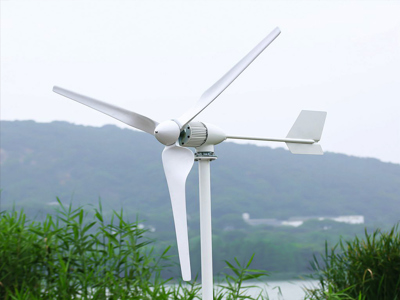
Ветроэнергетика – это отрасль энергетики, основанная на преобразовании кинетической энергии ветра в электрическую энергию с помощью ветрогенераторов. История использования ветра насчитывает тысячелетия: от первых ветряных мельниц в древнем Персии и Китае до современных высокотехнологичных турбин. Ветряные мельницы использовались для помола зерна и перекачки воды, но с промышленной революцией интерес к ветру как источнику энергии временно угас из-за распространения угля и нефти. Однако, энергетический кризис 1970-х годов и растущие экологические concerns возродили интерес к возобновляемым источникам, включая ветер. Сегодня ветроэнергетика является одной из самых быстрорастущих отраслей в мире, с установленной мощностью, превышающей 700 ГВт глобально. Принцип работы ветрогенератора относительно прост: лопасти турбины capture wind energy, которая вращает rotor, connected to a generator that produces electricity. This electricity can be used directly or fed into the grid. Advances in materials science, aerodynamics, and control systems have significantly improved the efficiency and reliability of wind turbines, making them a cornerstone of the green energy transition.
2. Экологические преимущества ветрогенераторных систем
Одним из главных достоинств ветроэнергетики является её минимальное воздействие на окружающую среду compared to fossil fuels. Wind energy produces zero greenhouse gas emissions during operation, helping to mitigate climate change. According to the International Energy Agency (IEA), wind power could avoid up to 6 billion tons of CO2 emissions annually by 2050 if deployed at scale. Additionally, wind turbines have a small land footprint and can be integrated into agricultural areas or offshore sites, reducing habitat disruption. Unlike nuclear or coal power plants, wind farms do not produce hazardous waste or require large amounts of water for cooling, which is crucial in water-scarce regions. Moreover, wind energy contributes to biodiversity conservation by reducing air and water pollution associated with conventional energy sources. However, it's important to address potential negative impacts, such as bird and bat collisions, which can be mitigated through careful site selection and technological improvements like radar systems to detect wildlife. Overall, the net environmental benefit of wind energy is overwhelmingly positive, supporting ecosystem health and human well-being.
3. Экономические выгоды и стоимость ветроэнергетики
Ветроэнергетика не только экологична, но и экономически выгодна. За последнее десятилетие стоимость ветровой энергии резко снизилась благодаря технологическим инновациям и economies of scale. По данным IRENA, уровеньized cost of electricity (LCOE) для ветроэнергетики упал на более чем 40% с 2010 года, making it competitive with or even cheaper than fossil fuels in many regions. This cost reduction is driven by larger turbines with higher capacity factors, improved manufacturing processes, and efficient supply chains. Wind energy projects create jobs in manufacturing, installation, maintenance, and research, stimulating local economies. For example, the wind industry employs over 1.2 million people globally, with opportunities for skilled labor in rural areas. Additionally, wind power provides energy security by diversifying the energy mix and reducing dependence on imported fuels, which can be subject to price volatility and geopolitical risks. Governments often offer incentives such as tax credits or feed-in tariffs to encourage investment, further enhancing economic viability. As storage technologies like batteries improve, the intermittency of wind energy becomes less of a barrier, ensuring reliable and affordable power for consumers.
4. Технологические инновации в ветрогенераторных системах
Технологический прогресс является двигателем роста ветроэнергетики. Современные ветрогенераторы feature advanced materials like carbon fiber for blades, which are lighter and more durable, allowing for larger rotors that capture more energy. Digitalization and IoT enable smart turbines with sensors that monitor performance in real-time, optimizing energy output and predicting maintenance needs to reduce downtime. Offshore wind technology has seen remarkable advances, with turbines installed in deeper waters using floating platforms, unlocking vast energy potential in ocean areas. Innovations in energy storage, such as grid-scale batteries and hydrogen production, help address the variability of wind power, ensuring a steady supply. Research is ongoing into airborne wind energy systems, which use kites or drones to harness wind at higher altitudes where winds are stronger and more consistent. These technological leaps not only increase efficiency but also reduce costs and environmental impacts, making wind energy a more attractive option for a sustainable future. Collaboration between academia, industry, and governments is crucial to continue driving innovation and scaling up deployment.
5. Глобальные тенденции и будущее ветроэнергетики
Глобально, ветроэнергетика переживает бум, с лидерами like China, the United States, and Germany investing heavily in new capacity. China is the world's largest market, with ambitious targets to carbon neutrality by 2060, driving massive wind farm developments. In Europe, the Green Deal aims to make the EU climate-neutral by 2050, with wind energy playing a central role. Emerging economies in Asia, Africa, and Latin America are also embracing wind power to meet growing energy demands sustainably. The future of wind energy looks promising, with projections from organizations like the IEA suggesting that wind could supply over one-third of global electricity by 2050. Key trends include the rise of hybrid systems combining wind with solar or storage, community-owned wind projects that empower local populations, and increased focus on circular economy principles for turbine recycling. Challenges remain, such as grid integration and social acceptance, but with continued policy support and public awareness, wind energy is poised to be a cornerstone of a resilient and sustainable energy system. Ultimately, embracing wind generators is not just an environmental choice but a strategic imperative for a prosperous future.
Заключение
В заключение, ветрогенераторные системы представляют собой экологичный и практичный выбор для достижения устойчивого будущего. Они предлагают многочисленные преимущества: от сокращения выбросов углерода и сохранения природных ресурсов до создания jobs и обеспечения energy security. Хотя существуют challenges, такие как intermittency и initial costs, technological innovations and supportive policies are rapidly addressing these issues. As we move towards a low-carbon economy, wind energy will play an increasingly vital role in powering our homes, industries, and transportation systems. It is imperative that individuals, businesses, and governments collaborate to accelerate the adoption of wind power and other renewable sources. By investing in wind generator systems, we not only protect the planet for future generations but also build a more equitable and resilient world. Let us harness the power of the wind to drive positive change and create a sustainable legacy.
Предыдущий: Современные технологии защиты лопастей от эрозии и коррозии в ветроэнергетике
Следующий: Какой материал обеспечивает прочность фланцев башен ветрогенераторов
