
Ветряные турбины революционные изменения в энергетической сфере
В современном мире, где изменение климата и истощение ископаемых ресурсов становятся все более актуальными проблемами, ветряные турбины представляют собой не просто технологическое новшество, а настоящую революцию в энергетической сфере. Это смелое утверждение основано на десятилетиях инноваций, которые превратили простые ветряные мельницы прошлого в высокоэффективные системы, способные обеспечить чистой энергией миллионы людей. В этой статье мы погрузимся в глубокое исследование того, как ветряные турбины изменили ландшафт энергетики, обсудим их историю, технологические прорывы, экологические выгоды, экономические аспекты и будущие тенденции. Мы также рассмотрим реальные примеры и статистику, чтобы подкрепить наши аргументы и вдохновить вас на поддержку этого устойчивого пути.
Исторический контекст: от древности к современности
Использование энергии ветра не является новым явлением. Еще в древние времена, около 2000 года до н.э., люди в Персии и Китае строили примитивные ветряные мельницы для помола зерна и перекачки воды. Эти ранние устройства были простыми и ограниченными в возможностях, но они заложили фундамент для будущих инноваций. В средние века ветряные мельницы распространились по Европе, особенно в Нидерландах, где они стали символом инженерного гения и борьбы с природными стихиями. Однако настоящий прорыв произошел в XX веке с развитием электричества и потребностью в альтернативных источниках энергии.
В 1970-х годах, на фоне нефтяных кризисов и растущего осознания экологических проблем, ветряные турбины начали эволюционировать в современные формы. Первые коммерческие турбины были небольшими и малоэффективными, но благодаря государственной поддержке и частным инвестициям, технологии быстро улучшались. К 1990-м годам ветряная энергетика стала серьезным конкурентом традиционным источникам, таки как уголь и газ. Сегодня, с турбинами высотой с небоскребы и мощностью, достаточной для питания целых городов, мы являемся свидетелями настоящей революции. Эта историческая эволюция демонстрирует, как человеческая изобретательность может превратить простую идею в глобальное решение для устойчивого развития.
Технологические инновации: сердце революции
Современные ветряные турбины – это шедевры инженерной мысли, объединяющие передовые материалы, цифровые технологии и аэродинамические принципы. Основные компоненты включают лопасти, башню, генератор и систему управления. Лопасти, часто изготавливаемые из композитных материалов like fiberglass или carbon fiber, designed to capture maximum wind energy with minimal resistance. Их длина может достигать 80 метров, что позволяет улавливать ветер на больших высотах, где он более стабилен и силен.
Башни, обычно стальные или бетонные, поднимают турбины на высоту до 150 метров, чтобы избежать турбулентности у земли. Генераторы преобразуют mechanical energy into electrical energy, with efficiencies exceeding 95% in some models. Но настоящая магия lies in the digital systems: датчики, IoT устройства и искусственный интеллект позволяют оптимизировать performance в реальном времени. Например, smart turbines can adjust blade pitch based on wind conditions, maximizing output while reducing wear and tear.
Кроме того, innovations in storage and grid integration, such as batteries and smart grids, ensure that wind energy can be reliably supplied even when the wind isn't blowing. These technological leaps have reduced the cost of wind energy by over 70% since 2000, making it one of the cheapest sources of electricity globally. This section underscores how continuous innovation drives the revolution, making wind turbines not just viable but superior to fossil fuels in many aspects.
Экологические преимущества: спасая планету
Одним из самых compelling aspects of wind turbines is their positive environmental impact. Unlike fossil fuels, wind energy produces zero greenhouse gas emissions during operation, helping to mitigate climate change. According to the International Energy Agency (IEA), global wind power capacity avoided over 1.1 billion tonnes of CO2 emissions in 2022 alone. This is equivalent to taking more than 240 million cars off the road for a year – a staggering figure that highlights the transformative potential of this technology.
Moreover, wind turbines have a small land footprint compared to other energy sources. While they require space for installation, much of the land can still be used for agriculture or other purposes, as seen in countries like Germany and the USA. Additionally, advancements in recycling and materials science are addressing end-of-life concerns, such as blade disposal. Companies are now developing recyclable blades and repurposing old components, further enhancing sustainability.
However, it's important to acknowledge challenges like bird and bat collisions, which are being mitigated through better siting and technology. Overall, the net environmental benefit is overwhelmingly positive, positioning wind turbines as a cornerstone of the global transition to a green economy. This section aims to inspire readers by showing how their support for wind energy can directly contribute to a healthier planet.
Экономические выгоды: двигатель роста
Wind energy is not just environmentally friendly; it's also a powerful economic driver. The wind industry has created millions of jobs worldwide, from manufacturing and installation to maintenance and research. In the European Union alone, the sector employs over 300,000 people and is projected to grow rapidly as countries ramp up their renewable energy targets. This job creation is particularly valuable in rural areas, where wind farms can revitalize local economies through investment and tourism.
Furthermore, wind energy reduces dependence on imported fossil fuels, enhancing energy security and stabilizing prices. For consumers, this translates to lower electricity bills in the long run. Countries like Denmark and Spain have demonstrated that investing in wind power can lead to energy independence and economic resilience. The levelized cost of energy (LCOE) for wind is now competitive with or cheaper than coal and gas in many regions, making it an attractive option for governments and businesses alike.
This economic narrative is crucial for convincing skeptics that sustainability and profitability can go hand in hand. By highlighting success stories and statistical data, we show that the wind revolution is not just a moral imperative but a smart financial move.
Реальные примеры и case studies
To illustrate the impact of wind turbines, let's look at some compelling examples. In China, the Gansu Wind Farm is one of the largest in the world, with a capacity of over 20 GW – enough to power millions of homes. This project has not only reduced carbon emissions but also spurred local economic development. Similarly, in the United States, the state of Texas leads the nation in wind energy production, with turbines contributing significantly to the grid and creating thousands of jobs.
In Europe, countries like Germany and the UK have integrated wind power into their energy mixes, with offshore wind farms in the North Sea setting new records for efficiency and output. For instance, the Hornsea Project in the UK is the world's largest offshore wind farm, capable of powering over 1 million homes. These examples demonstrate the scalability and reliability of wind energy, debunking myths about its intermittency.
By sharing these stories, we make the revolution tangible and relatable, encouraging readers to see wind turbines as a proven solution rather than a futuristic ideal.
Будущие тенденции и инновации
The future of wind energy is brighter than ever, with ongoing research pushing the boundaries of what's possible. Floating offshore wind turbines are emerging as a game-changer, allowing deployment in deep waters where winds are stronger and more consistent. Companies like Equinor are already piloting such projects, with the potential to unlock vast new energy resources.
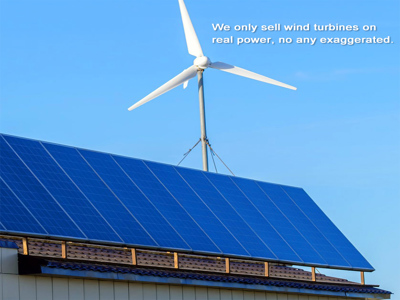
Additionally, advances in energy storage, such as hydrogen production from excess wind power, could solve the intermittency issue completely. Artificial intelligence and machine learning are being used to optimize turbine performance and predictive maintenance, further reducing costs and increasing efficiency. The integration of wind energy with other renewables, like solar, through hybrid systems, promises a more resilient and balanced energy grid.
These trends suggest that the revolution is far from over; it's accelerating. By staying informed and supportive, individuals and organizations can be part of this transformative journey toward a sustainable future.
Заключение: присоединяйтесь к революции
В заключение, ветряные турбины представляют собой не просто технологию, а фундаментальный сдвиг в том, как мы производим и потребляем энергию. Их историческая эволюция, технологические инновации, экологические и экономические преимущества, а также яркие примеры успеха доказывают, что это революция, которая уже здесь. Будущее энергетики за возобновляемыми источниками, и ветер играет в этом ведущую роль.
Мы призываем вас поддержать эту тенденцию: инвестируйте в зеленую энергетику, выступайте за политику, способствующую развитию ветроэнергетики, и делитесь этой информацией с другими. Вместе мы можем ускорить переход к устойчивому миру, где чистая энергия доступна всем. Спасибо за внимание, и давайте сделаем этот революционный изменения реальностью!
Предыдущий: Ветрогенераторы аэродинамика ключ к эффективной зеленой энергии
Следующий: Секреты снижения вибрации ветряных турбин: повышение эффективности и долговечности
