
Стандартные модели ветрогенераторов для максимальной эффективности и надежности
В современном мире, где экологические проблемы и энергетическая безопасность выходят на первый план, ветроэнергетика становится ключевым элементом устойчивого развития. Стандартные модели ветрогенераторов предлагают оптимальное сочетание эффективности, надежности и доступности, делая их идеальным выбором для широкого круга применений — от малого бизнеса до крупных промышленных объектов. В этой статье мы глубоко погрузимся в мир стандартных ветрогенераторов, исследуя их преимущества, технологии, и то, как они могут преобразить ваше энергоснабжение.
Введение в ветроэнергетику: почему это важно
Ветер — это неиссякаемый ресурс, который человечество использует с древних времен. Сегодня, с развитием технологий, ветроэнергетика превратилась в высокоэффективную отрасль, способную обеспечивать значительную часть мирового энергопотребления. Стандартные модели ветрогенераторов играют crucial роль в этом процессе, предлагая проверенные решения, которые минимизируют риски и максимизируют отдачу.
Эффективность ветрогенераторов измеряется их способностью преобразовывать кинетическую энергию ветра в электрическую с минимальными потерями. Надежность же обеспечивает бесперебойную работу даже в суровых условиях, что особенно важно для удаленных или критически важных объектов. Стандартизация моделей позволяет упростить производство, снизить затраты и ускорить внедрение, делая ветроэнергетику доступной для всех.
В этой статье мы рассмотрим ключевые аспекты стандартных моделей, включая их конструкцию, материалы, и инновационные features. Мы также обсудим практические шаги по выбору, установке и обслуживанию, а также экономические и экологические выгоды. К концу чтения вы будете обладать comprehensive knowledge, необходимым для принятия informed решений о внедрении ветроэнергетики в вашу жизнь или бизнес.
Что такое стандартные модели ветрогенераторов?
Стандартные модели ветрогенераторов — это устройства, разработанные по унифицированным спецификациям, которые прошли rigorous testing и сертификацию для обеспечения consistent performance. Они typically включают в себя лопасти, генератор, башню и систему управления, оптимизированные для работы в различных wind conditions.
Преимущества стандартных моделей многочисленны. Во-первых, они предлагают предсказуемую эффективность, так как их параметры well-documented и tested. Например, коэффициент использования мощности (capacity factor) для стандартных моделей может достигать 40-50%, что означает high energy output относительно установленной capacity. Во-вторых, надежность обеспечивается за счет использования durable materials таких как композиты для лопастей и corrosion-resistant metals для structural components.
Кроме того, стандартизация упрощает logistics и обслуживание. Запчасти readily available, а technicians trained на specific models, reducing downtime и operational costs. Это делает стандартные модели particularly attractive для projects, где time-to-market и cost-efficiency critical.
Примеры популярных стандартных моделей включают горизонтально-осевые ветрогенераторы (HAWTs) и вертикально-осевые (VAWTs), каждый с своими strengths. HAWTs, например, известны high efficiency при steady winds, в то время как VAWTs better suited для turbulent conditions. Выбор зависит от local wind patterns и application requirements.
Ключевые компоненты и их роль в эффективности
Эффективность ветрогенератора heavily зависит от его components. Давайте break down каждый элемент:
- Лопасти: Изготовлены из advanced composites like fiberglass или carbon fiber, они designed to capture maximum wind energy. Aerodynamic design, including blade pitch and length, optimized для specific wind speeds. Innovations such as adaptive blades can adjust in real-time to changing conditions, boosting efficiency up to 20% compared to fixed designs.
- Генератор: Typically permanent magnet generators или induction generators, они convert mechanical energy into electrical. High-efficiency models can achieve conversion rates over 95%, reducing energy losses. Standard models often use proven designs that balance cost and performance.
- Башня: Высота башни critical, так как wind speed increases with altitude. Standard towers range from 20 to 100 meters, with taller towers offering better access to stronger winds. Materials like steel или concrete ensure stability and longevity, with lifespans exceeding 20 years.
- Система управления: Includes sensors, controllers, and software that monitor wind conditions and adjust operation accordingly. Features like pitch control и yaw control maximize energy capture and protect the turbine from overload. Standard systems are user-friendly and integrate seamlessly with grid или off-grid setups.
Совместная работа этих components ensures that standard wind turbines deliver reliable power with minimal maintenance. For instance, regular inspections and software updates can prevent issues before they escalate, preserving efficiency over time.
Технологические инновации в стандартных моделях
Ветроэнергетика постоянно evolves, и стандартные модели benefit from cutting-edge innovations. One key area is materials science. New composites reduce weight while increasing strength, allowing for larger blades that capture more energy without compromising durability. Additionally, coatings that resist icing и erosion extend lifespan in harsh environments.
Another innovation is in control systems. AI и machine learning algorithms can predict wind patterns и optimize turbine performance in real-time. For example, some standard models now feature predictive maintenance, where sensors detect wear and tear early, scheduling repairs before failures occur. This reduces downtime и increases overall reliability.
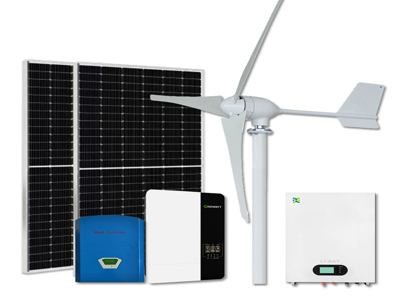
Energy storage integration is also becoming standard. Batteries или other storage solutions allow turbines to provide power even when wind is low, enhancing grid stability. Hybrid systems that combine wind with solar offer round-the-clock renewable energy, making them ideal for remote areas.
These advancements make standard wind turbines not only more efficient but also more adaptable to diverse conditions. As technology progresses, we can expect even higher efficiency rates and lower costs, further driving adoption worldwide.
Практическое руководство по выбору стандартной модели
Выбор правильного ветрогенератора requires careful consideration of several factors. Start by assessing your wind resource. Use historical data или consult experts to determine average wind speeds at your site. Standard models are rated for specific wind classes, so match the turbine to your conditions.
Next, consider your energy needs. Calculate your daily consumption to size the turbine appropriately. Standard models come in various capacities, from small units for homes (1-10 kW) to large ones for industries (1-5 MW). Oversizing can lead to inefficiency, while undersizing may not meet demand.
Budget is another key factor. While standard models are cost-effective due to mass production, upfront costs include turbine, installation, and grid connection. Look for incentives such as government subsidies или tax credits that can reduce expenses. Operational costs, including maintenance and insurance, should also be factored in.
Finally, evaluate the manufacturer's reputation and warranty. Choose brands with proven track records and comprehensive support. Standard models from reputable companies often come with 10-20 year warranties, ensuring peace of mind.
By following these steps, you can select a standard wind turbine that delivers maximum efficiency and reliability for your specific situation.
Установка и обслуживание: обеспечение долговечности
Proper installation is crucial for performance and safety. Standard models come with detailed manuals, but it's advisable to hire certified professionals. The process involves site preparation, foundation pouring, tower erection, and turbine assembly. Ensure compliance with local regulations and environmental assessments to avoid delays.
Once installed, regular maintenance is key to longevity. Standard schedules include quarterly inspections of blades, bearings, and electrical systems. Lubrication, cleaning, and software updates help prevent failures. Many manufacturers offer service packages that include remote monitoring, reducing the need for on-site visits.
Common issues like blade erosion или generator wear can be mitigated with proactive care. For example, using de-icing systems in cold climates prevents damage. Keeping records of maintenance activities helps track performance and plan for replacements.
Investing in quality installation and maintenance not only extends the turbine's life but also ensures consistent energy output, maximizing your return on investment.
Экономические и экологические выгоды
Стандартные ветрогенераторы offer significant economic advantages. After the initial investment, operational costs are low compared to fossil fuels. Wind is free, so energy production costs decrease over time, leading to savings on electricity bills. In many regions, excess power can be sold back to the grid, generating additional revenue.
From an environmental perspective, wind energy is clean and renewable, reducing greenhouse gas emissions and dependence on finite resources. A single standard turbine can offset tons of CO2 annually, contributing to climate goals. Moreover, wind farms have minimal land footprint and can coexist with agriculture或其他 activities.
Social benefits include job creation in manufacturing, installation, and maintenance. Communities benefit from improved energy security and reduced pollution. As technology advances, the cost of wind energy continues to fall, making it accessible to more people worldwide.
Overall, adopting standard wind turbines is a smart move for both wallet and planet, aligning with global trends towards sustainability.
Будущее ветроэнергетики и стандартных моделей
The future of wind energy is bright, with standard models at the forefront. Innovations in floating turbines will open up offshore opportunities, where winds are stronger and more consistent. Advances in energy storage will solve intermittency issues, making wind power as reliable as conventional sources.
Standardization will continue to drive down costs and improve accessibility. We may see modular designs that allow for easy upgrades and customization. Integration with smart grids will enable better energy management and distribution.
As global energy demand grows, wind power will play a pivotal role in the transition to a sustainable future. By investing in standard models today, you position yourself to benefit from these developments tomorrow.
In conclusion, standard wind turbines are a proven, efficient, and reliable solution for harnessing wind energy. Whether for personal use or large-scale projects, they offer a path to energy independence and environmental stewardship.
Предыдущий: Ветряные электростанции современные технологии энергетики
Следующий: Индивидуальные решения ветряных турбин для вашего бизнеса
