
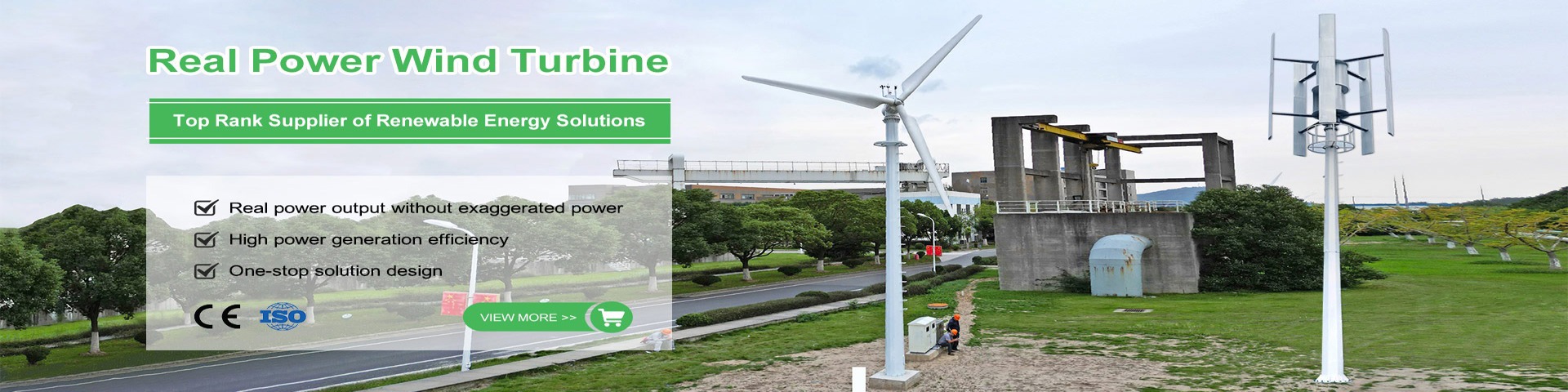
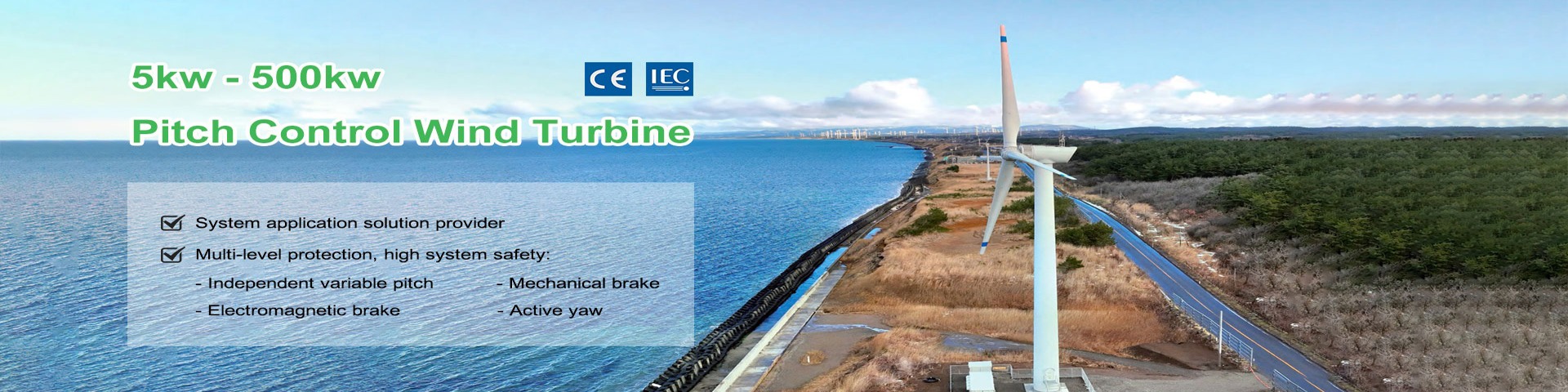
Инвестиции в ветрогенераторы высокая доходность и окупаемость

В современном мире, где экологические проблемы и энергетическая безопасность становятся всё более актуальными, инвестиции в возобновляемую энергию представляют собой не только социально ответственный шаг, но и выгодное финансовое решение. Среди различных видов зелёных технологий ветрогенераторы выделяются благодаря своей высокой доходности и относительно коротким срокам окупаемости. В этой статье мы подробно рассмотрим, почему инвестиции в ветроэнергетику могут стать вашим следующим успешным проектом, как рассчитать потенциальную прибыль, и какие факторы влияют на окупаемость. Мы также затронем мировые тенденции, правовые аспекты и практические советы для начинающих инвесторов.
Введение в ветроэнергетику: почему это перспективно?
Ветроэнергетика — это отрасль, которая использует кинетическую энергию ветра для генерации электричества. С древних времён люди применяли ветер для различных целей, например, в парусном судоходстве или ветряных мельницах, но только в XX веке технологии позволили эффективно преобразовывать ветер в электроэнергию. Сегодня ветрогенераторы становятся ключевым элементом глобального перехода к устойчивой энергетике. По данным Международного энергетического агентства (МЭА), к 2030 году доля ветровой энергии в мировом энергобалансе может достичь 20%, что открывает огромные возможности для инвесторов.
Инвестиции в ветрогенераторы привлекательны по нескольким причинам. Во-первых, ветер — это бесплатный и неисчерпаемый ресурс, в отличие от ископаемого топлива, цены на которое подвержены колебаниям. Во-вторых, технология ветрогенераторов постоянно совершенствуется, что снижает затраты на установку и обслуживание. В-третьих, правительства многих стран предлагают субсидии, налоговые льготы и другие стимулы для развития возобновляемой энергии, что делает инвестиции ещё более выгодными. Например, в Европейском союзе действуют программы поддержки, такие как Зелёный курс, который aims to сделать ЕС климатически нейтральным к 2050 году.
Кроме того, спрос на чистую энергию растёт благодаря осознанию обществом экологических проблем, таких как изменение климата и загрязнение воздуха. Компании и частные лица всё чаще стремятся снизить свой углеродный след, что увеличивает рынок для ветровой энергии. Это создаёт стабильный спрос на электроэнергию, генерируемую ветрогенераторами, обеспечивая инвесторам predictable доход.
Экономические преимущества инвестиций в ветрогенераторы
Одним из главных аргументов в пользу инвестиций в ветрогенераторы является их высокая доходность. В среднем, ветровые электростанции могут генерировать доходность на уровне 8-12% годовых, а в некоторых регионах с благоприятными ветровыми условиями этот показатель может быть ещё выше. Для сравнения, традиционные инвестиции в акции или облигации often offer returns of 5-7%, а банковские депозиты — ещё ниже. Таким образом, ветроэнергетика предоставляет возможность для диверсификации портфеля и получения above-average прибыли.
Срок окупаемости инвестиций в ветрогенераторы typically составляет от 5 до 10 лет, depending on factors such as the size of the installation, wind conditions, and government incentives. После этого периода инвестор начинает получать чистую прибыль, поскольку основные затраты уже покрыты. Например, установка небольшого ветрогенератора мощностью 10 кВт может стоить around 20,000-30,000 долларов, и при средних ветровых условиях она может генерировать enough electricity to cover the costs within 6-8 years. Для крупных проектов, таких как ветряные фермы, срок окупаемости может быть shorter due to economies of scale.
Кроме прямой продажи электроэнергии, инвесторы могут получать доход от carbon credits или green certificates, которые продаются на специальных рынках. Many countries have cap-and-trade systems where companies can buy credits to offset their emissions, and wind energy projects qualify for such credits. This adds an additional revenue stream, enhancing overall profitability.
Ключевой момент: Инвестиции в ветрогенераторы not only provide financial returns but also contribute to environmental sustainability, making them a win-win solution for investors and the planet.
Технологические аспекты: как работают ветрогенераторы?
Чтобы понять, почему инвестиции в ветрогенераторы так эффективны, важно разобраться в их технологии. Современные ветрогенераторы состоят из нескольких key components: лопастей, ротора, генератора, башни и системы управления. Лопасти capture the wind's kinetic energy and convert it into mechanical energy, which is then transformed into electrical energy by the generator. The efficiency of this process depends on the design of the blades, the height of the tower (higher towers access stronger and more consistent winds), and the quality of the materials used.
Advancements in technology have significantly improved the efficiency and reliability of wind turbines. For instance, the development of smart grids allows for better integration of wind energy into the power system, reducing issues with intermittency (since wind is not always available). Additionally, innovations in materials science have led to lighter and more durable blades, which increase energy output and reduce maintenance costs. According to a report by the Global Wind Energy Council, the average capacity factor of wind turbines has increased from around 25% in the 1990s to over 40% today, meaning they generate electricity more consistently.
For investors, this means that modern wind turbines offer higher energy production per unit of investment, leading to faster returns. It's also worth noting that there are different types of wind turbines, such as onshore and offshore. Onshore turbines are cheaper to install but may have lower wind resources, while offshore turbines benefit from stronger winds but involve higher initial costs. Choosing the right type depends on the specific location and investment goals.
Расчёт доходности и окупаемости: практический пример
Let's consider a practical example to illustrate the potential returns from investing in wind turbines. Suppose an investor decides to install a medium-sized wind turbine with a capacity of 100 kW in a region with good wind resources, such as coastal areas or plains. The initial investment might be around $100,000, including costs for equipment, installation, and permits.
Assuming an average wind speed of 7 m/s, the turbine could generate approximately 200,000 kWh of electricity per year. If the electricity is sold at a rate of $0.10 per kWh (which is reasonable in many markets), the annual revenue would be $20,000. Operating costs, including maintenance, insurance, and land lease, might amount to $5,000 per year, resulting in a net annual income of $15,000.
To calculate the payback period, divide the initial investment by the net annual income: $100,000 / $15,000 = approximately 6.7 years. After this period, the investor starts making pure profit. Over a 20-year lifespan of the turbine (typical for modern models), the total net income could be $15,000 * 20 = $300,000, minus the initial investment, yielding a net profit of $200,000. This represents a return on investment (ROI) of 200% over 20 years, or about 10% annualized, which is highly attractive.
It's important to note that these calculations are simplified and actual results may vary based on factors like wind variability, changes in electricity prices, and government incentives. For instance, if the investor qualifies for a 30% tax credit or subsidy, the effective initial cost could be reduced to $70,000, shortening the payback period to under 5 years.
Мировые тенденции и рынок ветроэнергетики
The global wind energy market is experiencing rapid growth, driven by increasing demand for clean energy and supportive policies. According to the International Renewable Energy Agency (IRENA), installed wind capacity worldwide reached over 700 GW in 2022, and it is projected to exceed 1,000 GW by 2025. China, the United States, and Germany are the leaders in wind energy installation, but emerging markets like India, Brazil, and countries in Africa are also expanding their capacities.
This growth presents numerous opportunities for investors. For example, in China, the government has set ambitious targets for renewable energy, offering subsidies and favorable regulations for wind projects. In the U.S., the Production Tax Credit (PTC) provides financial incentives for wind energy production, making investments more lucrative. Similarly, the European Union's Renewable Energy Directive mandates member states to increase their share of renewables, creating a stable demand.
Moreover, technological advancements are reducing costs. The levelized cost of energy (LCOE) for wind power has decreased by more than 40% over the past decade, making it competitive with fossil fuels in many regions. This trend is expected to continue, further enhancing the attractiveness of wind energy investments.
Правовые и экологические аспекты
Investing in wind turbines involves navigating legal and environmental regulations. In most countries, permits are required for installation, which may involve environmental impact assessments to ensure that the project does not harm local ecosystems or wildlife. For instance, wind farms must be located away from bird migration routes to minimize impacts on avian populations.
On the positive side, wind energy projects often receive support from governments through policies like feed-in tariffs, which guarantee a fixed price for electricity generated from renewables, or renewable portfolio standards, which require utilities to source a certain percentage of their energy from green sources. These measures reduce investment risks and provide predictable revenue streams.
From an environmental perspective, wind energy is one of the cleanest sources of power, producing no greenhouse gas emissions during operation. By investing in wind turbines, investors contribute to reducing carbon emissions and combating climate change, which can enhance their corporate social responsibility (CSR) profile if they are businesses.
Практические советы для инвесторов
If you're considering investing in wind turbines, here are some practical tips to maximize returns and minimize risks:
- Проведите тщательное исследование локации: Wind resources vary significantly by location. Use wind maps and data from meteorological stations to choose sites with high and consistent wind speeds.
- Рассмотрите различные модели турбин: Compare different turbine models based on efficiency, cost, and maintenance requirements. Consult with experts to select the best option for your needs.
- Изучите государственные стимулы: Research available subsidies, tax credits, and grants in your region. These can substantially reduce initial costs and improve profitability.
- Планируйте для долгосрочной перспективы: Wind energy investments are long-term. Ensure you have adequate capital and a plan for maintenance over the turbine's lifespan.
- Диверсифицируйте инвестиции: Consider investing in multiple turbines or combining wind with other renewables like solar to spread risk.
Additionally, partnering with experienced developers or investing through funds focused on renewable energy can help navigate complexities and leverage professional expertise.
Заключение
Инвестиции в ветрогенераторы offer a unique combination of high profitability, environmental benefits, and alignment with global trends towards sustainability. With typical returns of 8-12% per annum and payback periods of 5-10 years, they represent a compelling opportunity for both individual and institutional investors. By leveraging technological advancements and government support, you can not only achieve financial success but also contribute to a greener future. As the world continues to prioritize clean energy, now is the ideal time to explore wind energy investments and secure your place in this booming market.
We hope this article has provided valuable insights into the potential of wind turbine investments. If you have any questions or are ready to take the next step, feel free to contact experts in the field or explore further resources. Remember, investing in renewables is not just about money—it's about building a sustainable legacy for generations to come.
Предыдущий: Почему эффективные ветрогенераторы ключ к зеленой энергии уже сегодня
Следующий: Какова окупаемость ветрогенераторов за 5 лет эксплуатации
