
Актуальные стратегии экономии энергии с помощью ветрогенераторов

В современном мире, где вопросы энергоэффективности и экологии выходят на первый план, ветрогенераторы становятся ключевым инструментом для экономии энергии. Эта статья предоставляет всеобъемлющее руководство по использованию ветроэнергетики, начиная от основ и заканчивая передовыми стратегиями, которые помогут вам значительно снизить затраты на электроэнергию и способствовать устойчивому развитию.
Введение в ветроэнергетику
Ветроэнергетика — это отрасль, которая использует кинетическую энергию ветра для генерации электричества. С древних времен люди применяли ветер для различных целей, таких как мореплавание или помол зерна, но только в XX веке технология ветрогенераторов достигла уровня, позволяющего массово производить электроэнергию. Сегодня ветроэнергетика является одним из самых быстрорастущих источников возобновляемой энергии в мире, с ежегодным приростом мощностей на 10-15%. Это связано с ее экологической чистотой, неисчерпаемостью и экономической эффективностью в долгосрочной перспективе.
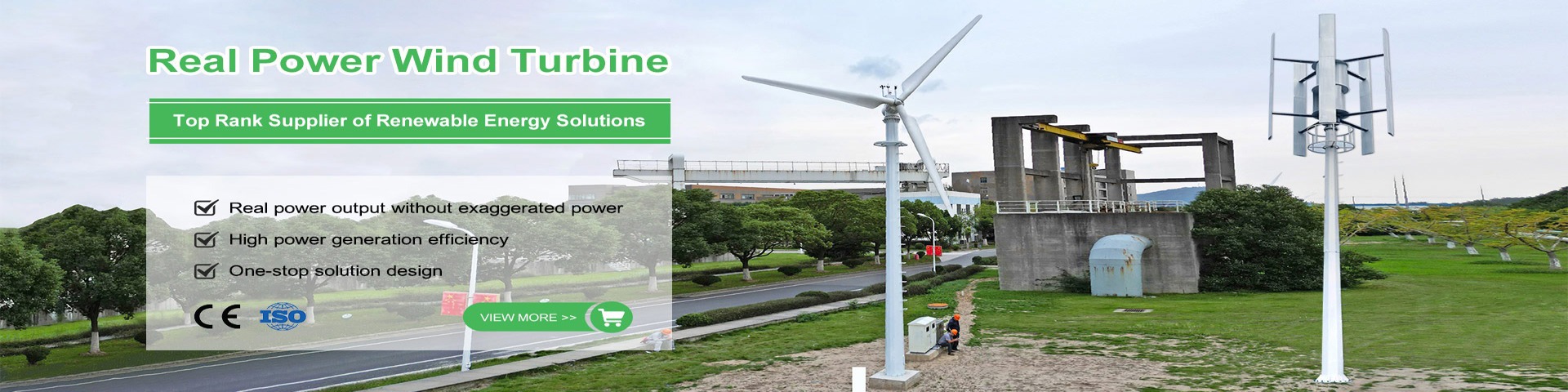
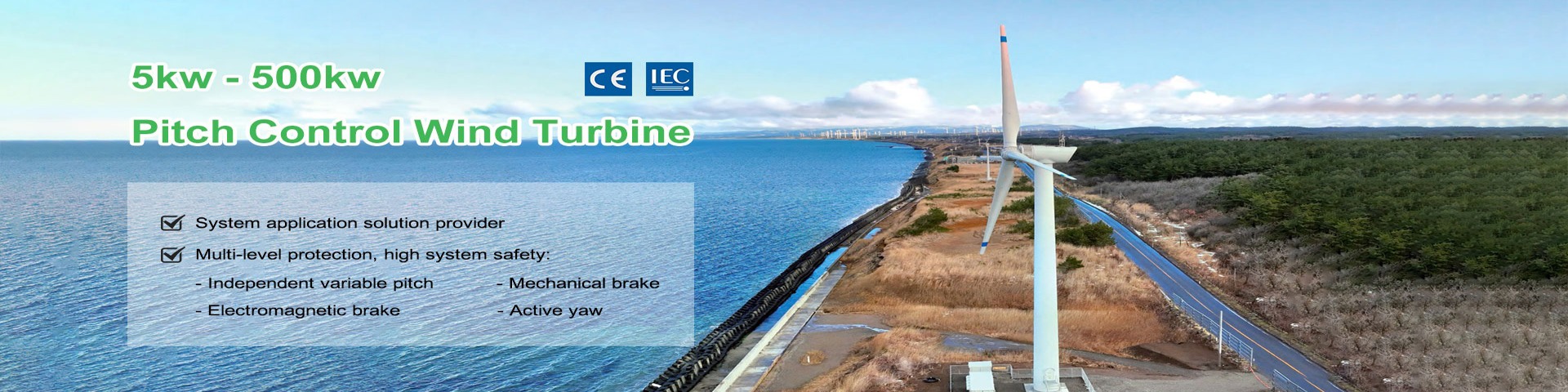
Принцип работы ветрогенератора основан на преобразовании энергии ветра в механическую, а затем в электрическую энергию. Ветер вращает лопасти турбины, которые соединены с генератором. Генератор, в свою очередь, производит переменный ток, который может быть использован непосредственно или сохранен в батареях для последующего использования. Современные ветрогенераторы оснащены advanced технологиями, такими как системы управления pitch и yaw, которые оптимизируют эффективность в зависимости от скорости и направления ветра.
Основные компоненты ветрогенератора включают: ротор с лопастями, nacelle (гондолу), в которой размещены генератор и трансмиссия, башню для подъема турбины на высоту, где ветер сильнее и стабильнее, и систему контроля. Высота башни может варьироваться от 20 до 100 метров и более, в зависимости от мощности установки. Например, небольшие ветрогенераторы для домашнего использования имеют высоту около 10-30 метров, в то время как промышленные турбины могут достигать 150 метров.
Преимущества ветроэнергетики многочисленны. Во-первых, это возобновляемый источник энергии, который не produces greenhouse gases или другие вредные выбросы, в отличие от ископаемого топлива. Это делает его crucial для борьбы с изменением климата. Во-вторых, ветровая энергия может быть децентрализована, что позволяет communities и individuals стать energy independent. В-третьих, операционные затраты низки после initial investment, так как ветер бесплатен. Однако есть и challenges, такие как intermittency (непостоянство ветра), что требует интеграции с другими источниками энергии или системами хранения.
В глобальном масштабе ветроэнергетика играет vital role в energy transition. По данным Международного энергетического агентства (IEA), к 2030 году ветровая энергия может обеспечить до 20% мирового electricity demand. Страны like Китай, США, Германия и Индия лидируют по installed capacity, демонстрируя commitment к green energy. Это not only reduces carbon footprint but also creates jobs and stimulates economic growth in renewable energy sectors.
Основные стратегии экономии энергии с ветрогенераторами
Экономия энергии с помощью ветрогенераторов involves not only installation but also optimization and integration. Here are key strategies to maximize savings.
First, proper site selection is critical. Wind resources vary geographically, so conducting a wind assessment is essential. Tools like anemometers and wind maps can help identify areas with high wind speeds and consistency. Ideal locations include coastal regions, hilltops, and open plains. For individuals, small wind turbines can be installed on rooftops or in yards, but professional consultation is recommended to avoid obstacles like buildings or trees that reduce efficiency.
Second, choosing the right turbine size and type. There are horizontal-axis wind turbines (HAWT) and vertical-axis wind turbines (VAWT). HAWTs are more common and efficient for large-scale applications, while VAWTs are better for urban environments due to their omnidirectional capability. For home use, turbines with capacities from 1 kW to 10 kW can reduce electricity bills by 50-90%, depending on local wind conditions and energy consumption.
Third, integration with energy storage systems. Since wind is intermittent, batteries like lithium-ion or lead-acid can store excess energy for use during calm periods. This ensures a reliable power supply and maximizes self-consumption, reducing reliance on the grid. Smart inverters and energy management systems can automate this process, optimizing energy flow based on real-time data.
Fourth, maintenance and monitoring. Regular inspections of blades, bearings, and electrical components prevent downtime and extend lifespan. Using IoT sensors and predictive maintenance software can detect issues early, reducing repair costs. For example, cleaning blades from dirt or ice improves efficiency by up to 5%.
Fifth, financial incentives and policies. Many governments offer subsidies, tax credits, or feed-in tariffs for renewable energy installations. Researching local programs can significantly lower initial costs. Additionally, net metering allows selling excess energy back to the grid, creating an income stream.
Sixth, community wind projects. Collaborating with neighbors to install shared turbines can reduce individual costs and increase overall efficiency. This approach is popular in rural areas and can foster local energy resilience.
Seventh, hybrid systems. Combining wind with solar PV or other renewables balances energy production. For instance, wind often complements solar, as wind speeds may be higher at night or in winter when solar output is low.
Eighth, energy efficiency measures. Before installing a wind turbine, reduce energy consumption through insulation, LED lighting, and efficient appliances. This lowers the required turbine size and investment.
Ninth, education and training. Understanding how to operate and maintain the system ensures optimal performance. Online resources and workshops are available for homeowners and businesses.
Tenth, future-proofing with technology upgrades. As innovations emerge, such as airborne wind energy or bladeless turbines, staying informed can lead to further savings.
By implementing these strategies, users can achieve substantial energy savings. For example, a typical household with a 5 kW turbine in a windy area can save over $1000 annually on electricity bills, with a payback period of 5-10 years. Businesses can see even greater benefits, especially in energy-intensive industries.
Инновационные технологии в ветроэнергетике
Технологический прогресс continuously improves the efficiency and affordability of wind energy. Recent innovations include larger turbines with longer blades, which capture more wind energy. For instance, offshore wind turbines now exceed 12 MW in capacity, thanks to advances in materials like carbon fiber, making them lighter and stronger.
Digitalization plays a key role. AI and machine learning algorithms optimize turbine performance by predicting wind patterns and adjusting settings in real-time. Drones are used for inspections, reducing risks and costs. Additionally, digital twins—virtual replicas of physical turbines—allow for simulation and testing before implementation.
Energy storage advancements, such as flow batteries or hydrogen production, address intermittency. For example, excess wind energy can electrolyze water to produce green hydrogen, which can be stored and used as fuel or converted back to electricity.
New designs like bladeless turbines, which oscillate to generate energy, reduce noise and visual impact, making them suitable for urban areas. Airborne wind energy systems, using kites or drones, access higher-altitude winds that are stronger and more consistent.
These innovations not only enhance efficiency but also lower costs. The levelized cost of energy (LCOE) for wind power has decreased by over 40% in the past decade, making it competitive with fossil fuels. Continued R&D promises even greater breakthroughs, such as superconducting generators or integrated solar-wind hybrids.
Практические шаги для внедрения
To implement wind energy savings, start with a energy audit to assess current consumption and potential. Consult with experts to evaluate wind resources using tools like NASA's wind data or local meteorological stations.
Choose a certified turbine from reputable manufacturers. For homes, consider models from brands like Bergey or Gaia-Wind. Ensure compliance with local regulations and zoning laws, which may restrict height or noise levels.
Plan the installation with professional help. This includes foundation work, electrical connections, and grid integration if applicable. For off-grid systems, size the battery bank appropriately based on energy needs and autonomy days.
Monitor performance using software provided by the manufacturer or third-party apps. Track energy production and consumption to identify areas for improvement. Join online communities or forums for support and tips.
Regular maintenance includes lubricating moving parts, checking for corrosion, and cleaning components. Schedule annual inspections by technicians to ensure safety and efficiency.
Take advantage of financing options, such as loans or leasing programs, to spread the cost. Calculate the return on investment (ROI) considering energy savings, incentives, and increased property value.
Educate family members or employees on energy conservation practices to complement the wind system. Small actions like turning off unused devices can amplify savings.
By following these steps, you can successfully harness wind energy for substantial economic and environmental benefits.
Будущее ветроэнергетики и заключение
The future of wind energy is bright, with trends pointing towards larger-scale deployments, especially offshore, where winds are stronger and more reliable. Floating wind turbines are emerging for deep-water applications, expanding potential sites.
Integration with smart grids and electric vehicles will create synergies, allowing wind energy to power transportation and storage systems. Policy support globally, such as the European Green Deal, will accelerate adoption.
In conclusion, wind generators offer a powerful strategy for energy savings. By adopting current technologies and strategies, individuals and businesses can reduce costs, enhance sustainability, and contribute to a cleaner planet. Start your journey today by exploring local resources and taking the first step towards energy independence.
Remember, every kilowatt-hour generated from wind is a step away from fossil fuels and towards a sustainable future. Embrace wind energy and be part of the solution.
Предыдущий: Инновационные подшипники для ветрогенераторов революция в энергетике
Следующий: Энергия ветра в каждом доме Инвертор для ветрогенератора 2024 технологий
