
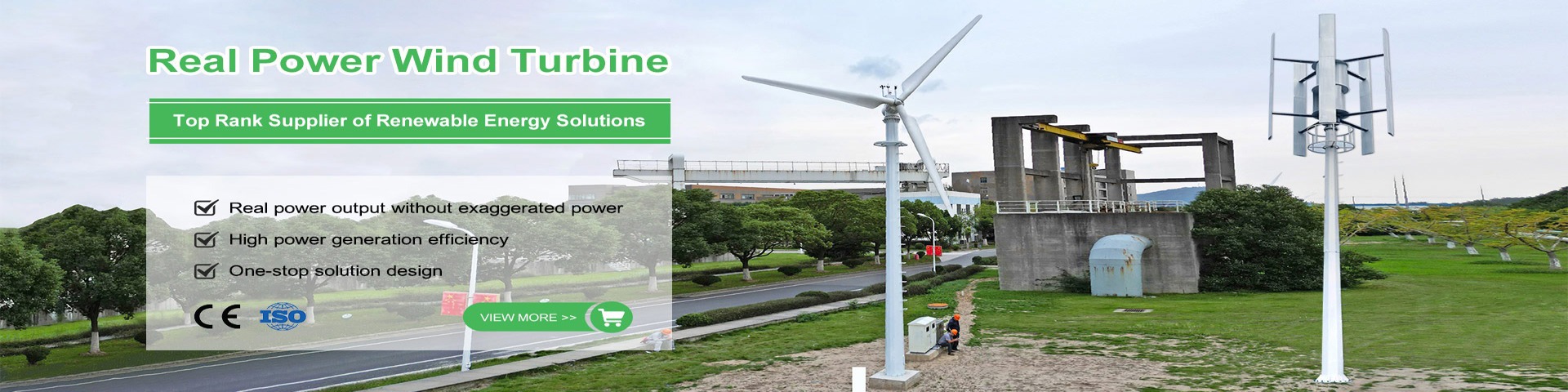
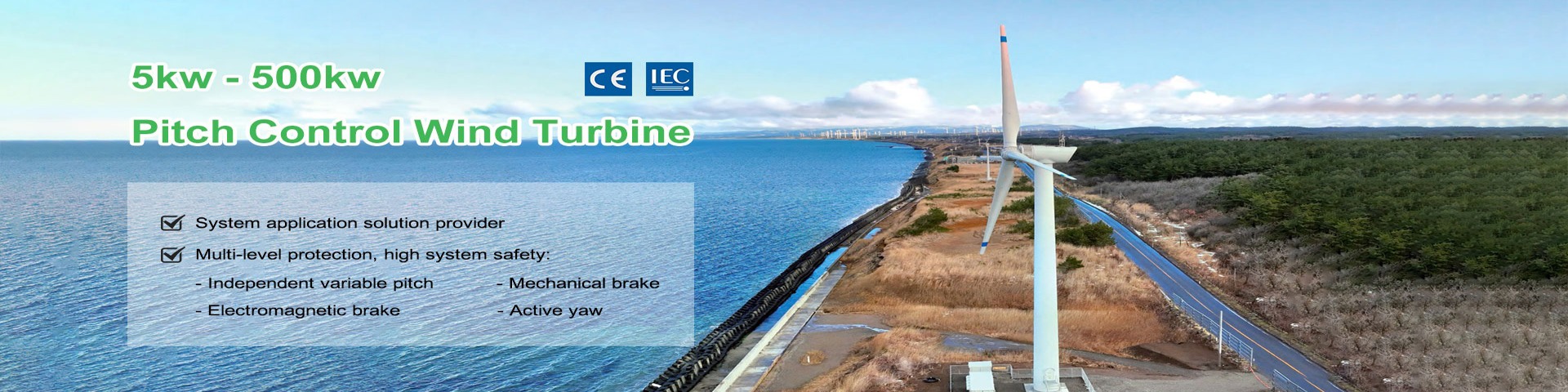
Энергия ветра будущее наших городов и сел

Ветряная энергия представляет собой один из наиболее перспективных источников возобновляемой энергии, способный коренным образом изменить энергетический ландшафт как городов, так и сельских районов. С ростом осознания необходимости перехода к устойчивому развитию и сокращению выбросов парниковых газов, ветровая энергетика становится ключевым элементом глобальной стратегии. В этой статье мы подробно исследуем, почему энергия ветра может стать основой будущего, анализируя её преимущества, вызовы и практические аспекты внедрения.
Введение в ветряную энергетику
Ветряная энергия использует кинетическую энергию ветра для генерации электричества через ветровые турбины. Этот метод имеет древние корни — люди веками использовали ветер для мореплавания и помола зерна, но современные технологии позволили масштабировать его до промышленных уровней. Первые ветровые электростанции появились в конце XX века, и с тех пор отрасль пережила взрывной рост благодаря инновациям в материалах, дизайне и управлении энергосистемами.
Сегодня ветровая энергетика составляет значительную долю в мировой генерации электроэнергии. По данным Международного энергетического агентства, к 2030 году доля возобновляемых источников, включая ветер, может достичь 30% от общего объёма, причём ветер будет одним из лидеров. Это не только экологически чистое решение, но и экономически выгодное, особенно в регионах с сильными и постоянными ветрами.
Для России, с её обширными территориями и разнообразными климатическими условиями, ветряная энергетика offers уникальные возможности. Северные и прибрежные регионы, такие как Мурманская область или Калининград, обладают высоким ветровым потенциалом, который можно harness для обеспечения энергией удалённых населённых пунктов и reducing зависимости от импортных ископаемых топлив.
Преимущества ветряной энергии для городов
Города являются крупнейшими потребителями энергии, и их переход на возобновляемые источники критически важен для снижения углеродного следа. Ветряная энергия offers несколько ключевых преимуществ для городской среды.
Во-первых, она способствует улучшению качества воздуха. Традиционные электростанции, работающие на угле или газе, выделяют вредные вещества, такие как диоксид серы и particulate matter, которые contribute к респираторным заболеваниям и смогу. Замена их ветровыми турбинами significantly reduces эти выбросы, leading к healthier городской среде. Например, в Европе cities like Копенгаген активно внедряют offshore wind farms, что помогло снизить уровень загрязнения на 20% за последнее десятилетие.
Во-вторых, ветряная энергия enhances энергетическую безопасность. Cities часто依赖 centralized power grids, которые уязвимы к сбоям из-за extreme weather или cyber attacks. Децентрализованная генерация through distributed wind turbines can provide backup power and reduce риски blackouts. Кроме того, local wind energy production reduces необходимость в длительных transmission lines, minimizing потери энергии и costs.
Экономически, инвестиции в ветряную энергетику create jobs and stimulate local economies. Строительство, обслуживание и operation ветровых farms require skilled labor, from engineers to technicians. В Германии, например, wind industry employs over 150,000 people, contributing billions to the GDP. For Russian cities, similar initiatives could boost employment in regions struggling with economic stagnation.
Technological advancements делают ветряную energy more efficient and affordable. Современные турбины are larger and more powerful, with capacity factors exceeding 40% in optimal conditions. Innovations in storage, such as batteries, allow for better integration into grid systems, addressing intermittency issues. Smart grid technologies enable real-time management, ensuring stable supply even when wind speeds fluctuate.
Преимущества для сельских районов
Сельские районы often face challenges with energy access and affordability. Many remote villages in Russia rely on diesel generators or have limited connection to the main grid, leading to high costs and unreliable power. Wind energy can be a game-changer here.
One of the primary benefits is energy independence. Small-scale wind turbines can be installed locally, providing electricity for homes, farms, and small businesses without depending on distant power plants. This is particularly valuable in areas like Siberia or the Far East, where infrastructure is sparse. For instance, in the Republic of Sakha, pilot projects have shown that wind-diesel hybrid systems can reduce fuel consumption by up to 50%, saving money and reducing environmental impact.
Economically, wind energy can revitalize rural economies. Farmers can lease land for wind farms, generating additional income. In the US, wind leases provide farmers with stable revenue streams, often more lucrative than traditional agriculture. In Russia, similar models could help combat rural depopulation by creating new opportunities and improving living standards.
Environmental benefits are also pronounced. Rural areas often host fragile ecosystems, and transitioning to wind energy reduces pollution from fossil fuels. This protects biodiversity and supports sustainable agriculture practices. Moreover, wind farms have a relatively small footprint, allowing land to be used for multiple purposes, such as grazing or crops, alongside energy generation.
Socially, access to reliable electricity improves quality of life. It enables better healthcare through powered medical equipment, enhanced education with internet access, and overall community development. In regions with harsh climates, consistent power is essential for heating and other necessities, making wind energy a lifeline.
Вызовы и пути их преодоления
Несмотря на многочисленные преимущества, внедрение ветряной энергии сталкивается с several challenges. Addressing these is crucial for widespread adoption.
Intermittency is a major issue. Wind is not constant, leading to variability in power generation. This can strain grid stability if not managed properly. Solutions include energy storage systems like batteries or pumped hydro, which store excess energy for use during low-wind periods. Additionally, hybrid systems that combine wind with solar or other renewables can provide more consistent output. Grid modernization with smart technologies allows for better forecasting and demand response, mitigating intermittency effects.
High initial costs can be a barrier. While operational costs are low, the upfront investment for turbines and infrastructure is significant. Governments can play a role through subsidies, tax incentives, and favorable policies. In Russia, programs like the support for renewable energy under the energy strategy 2035 have helped reduce financial burdens. Public-private partnerships and international funding can also accelerate deployment.
Environmental and social concerns include noise pollution, visual impact, and effects on wildlife. Modern turbines are designed to be quieter and less obtrusive, and careful site selection can minimize impacts on birds and bats. Community engagement is key—involving local residents in planning processes ensures that projects are accepted and beneficial. For example, in Denmark, community-owned wind farms have high approval rates because they provide direct benefits to locals.
Regulatory and infrastructural hurdles exist, especially in regions with underdeveloped grids. Strengthening transmission networks and updating regulations to support distributed generation are essential. In Russia, this might involve investing in grid expansion in remote areas and streamlining permitting processes for renewable projects.
Технологические инновации и будущие тенденции
Будущее ветряной энергии bright, с continuous innovations driving efficiency and affordability.
Offshore wind is emerging as a major trend. Turbines installed in oceans benefit from stronger and more consistent winds, leading to higher energy yields. Countries like the UK and China are leading in offshore development, with projects achieving capacities of multiple gigawatts. Russia has vast coastal areas, such as the Arctic, where offshore wind could be harnessed, though it requires specialized technology for harsh conditions.
Advancements in turbine design include larger blades and taller towers, capturing more wind energy. floating wind turbines are being developed for deep-water sites, expanding potential locations. Materials science is producing lighter and more durable components, reducing maintenance needs and costs.
Digitalization and AI are transforming wind energy management. Predictive maintenance using IoT sensors can prevent failures and optimize performance. AI algorithms improve wind forecasting, enhancing grid integration. These technologies make wind farms smarter and more reliable.
Energy storage is critical for overcoming intermittency. Innovations in battery technology, such as lithium-ion and flow batteries, are becoming more cost-effective. Hydrogen production from excess wind energy is another promising avenue, providing a storable fuel for various uses.
In the future, we may see integrated energy systems where wind power is combined with other renewables and storage to create fully sustainable microgrids. This could revolutionize how cities and villages consume energy, moving towards complete decarbonization.
Практические шаги для внедрения в России
Для реализации потенциала ветряной энергии в России необходимо采取 concrete steps at governmental, corporate, and community levels.
Government should enhance policy support. This includes setting ambitious renewable energy targets, providing financial incentives like feed-in tariffs or tax credits, and simplifying regulatory frameworks. Learning from countries like Germany or the US, Russia can adapt best practices to its context. The national project "Ecology" already includes elements of green energy, but more focused efforts on wind are needed.
Investment in research and development is crucial. Collaborating with universities and private companies can spur innovation tailored to Russian conditions, such as cold-climate turbines. Public awareness campaigns can educate citizens about the benefits of wind energy, fostering acceptance and support.
For cities, integrating wind into urban planning is key. This could involve installing turbines on rooftops or in peri-urban areas. Smart city initiatives can incorporate wind energy into overall energy management systems.
In rural areas, pilot projects should be scaled up. Providing technical assistance and financing to communities can enable small-scale deployments. Partnerships with international organizations can bring expertise and funding.
Ultimately, a holistic approach that combines technology, policy, and community involvement will ensure that wind energy becomes a cornerstone of Russia's energy future, benefiting both urban and rural populations.
Заключение
Ветряная энергия holds immense promise for the future of our cities and villages. It offers a clean, sustainable, and economically viable alternative to fossil fuels, with the potential to enhance energy security, create jobs, and protect the environment. While challenges exist, they are surmountable with innovation and collaboration. By embracing wind energy, Russia can pave the way for a greener, more resilient future, ensuring that both urban centers and rural communities thrive in the years to come. The wind is a resource that has powered human progress for centuries—it's time to harness it fully for the benefit of all.
Предыдущий: Сила ветра в вашем статоре генератора для максимальной эффективности
Следующий: Эффективные ветрогенераторы с роторами для вашего дома
