
Как выбрать подходящий малый ветрогенератор для вашего участка
В современном мире, где вопросы экологии и энергоэффективности становятся все более актуальными, многие владельцы частных домов и участков задумываются об использовании возобновляемых источников энергии. Одним из таких источников является ветровая энергия, которая может быть преобразована в электричество с помощью малых ветрогенераторов. Эти устройства не только помогают снизить зависимость от традиционных энергетических сетей, но и способствуют сокращению выбросов углекислого газа, делая ваш дом более экологичным. Однако выбор подходящего ветрогенератора – это сложная задача, требующая учета множества факторов, таких как климатические условия участка, технические характеристики оборудования, бюджет и юридические нюансы. В этой статье мы подробно разберем, как правильно подойти к этому процессу, чтобы ваши инвестиции окупились и принесли максимальную пользу.
1. Оценка ветрового потенциала вашего участка
Первым и самым важным шагом в выборе малого ветрогенератора является оценка ветрового потенциала вашего участка. Ветер – это основной ресурс, который будет питать ваш генератор, и без достаточной скорости ветра установка может оказаться неэффективной. Для начала необходимо изучить средние скорости ветра в вашем регионе. Это можно сделать с помощью общедоступных метеорологических данных или специализированных карт ветров, которые часто предоставляются местными метеослужбами или экологическими организациями. Однако помните, что эти данные могут быть обобщенными и не всегда точно отражать условия именно на вашем участке. Например, если ваш дом расположен в низине или окружен высокими деревьями, скорость ветра может быть significantly ниже, чем в открытой местности.
Чтобы получить более точные данные, рекомендуется провести собственные измерения. Для этого можно использовать анемометр – прибор для измерения скорости ветра. Установите его на высоте, планируемой для монтажа ветрогенератора (обычно 10-30 метров над землей), и проводите измерения в течение нескольких месяцев, чтобы учесть сезонные variations. Оптимальная скорость ветра для большинства малых ветрогенераторов составляет от 4 до 25 метров в секунду. Если средняя скорость ветра на вашем участке ниже 4 м/с, установка ветрогенератора может быть нецелесообразной, так как он не сможет вырабатывать достаточное количество энергии. С другой стороны, если скорость ветра часто превышает 25 м/с, необходимо выбирать модели с усиленной конструкцией, способные выдерживать экстремальные условия.
Кроме скорости, важно учитывать направление и турбулентность ветра. Преобладающее направление ветра поможет определить оптимальное расположение генератора, в то время как турбулентность (неравномерность потока) может снизить эффективность работы. Чтобы минимизировать турбулентность, устанавливайте ветрогенератор на открытой местности, away from obstacles such as buildings or trees. Если ваш участок имеет сложный рельеф, consider consulting with a specialist who can perform a detailed wind resource assessment using computer modeling. This initial investment in research will save you from disappointment and unnecessary expenses in the future.
2. Типы малых ветрогенераторов и их особенности
После оценки ветрового потенциала следующим шагом является выбор типа ветрогенератора. На рынке представлено несколько основных типов, каждый из которых имеет свои преимущества и недостатки. Наиболее распространенными для малых установок являются горизонтально-осевые и вертикально-осевые ветрогенераторы.
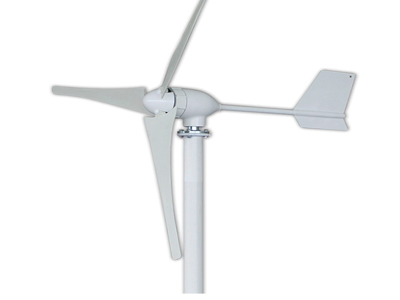
Горизонтально-осевые ветрогенераторы (HAWT) – это классический вариант, который resembles traditional windmills. Они имеют лопасти, вращающиеся вокруг горизонтальной оси, и обычно более efficient при постоянных wind conditions. Их КПД (коэффициент полезного действия) can reach 40-50%, что делает их popular choice for residential use. However, они require precise orientation into the wind, which often necessitates additional mechanisms such as tail vanes or yaw systems. Кроме того, они могут быть noisy и require significant space for installation due to their size and the need for a tall mast.
Вертикально-осевые ветрогенераторы (VAWT) have blades that rotate around a vertical axis. Они менее efficient than HAWT, with КПД typically around 30-40%, but offer several advantages. For example, они do not need to be oriented into the wind and can operate effectively in turbulent conditions. Они также generally quieter and more compact, making them suitable for urban areas or small plots. However, они often have higher initial costs and may require more maintenance due to their complex design.
Помимо этих двух основных типов, существуют гибридные и инновационные модели, such as ducted wind turbines or airborne wind energy systems, but они are less common for small-scale applications and may not be practical for most users. При выборе типа учитывайте not only efficiency but also ease of installation, maintenance requirements, and aesthetic considerations. For instance, if you live in a densely populated area, noise and visual impact might be important factors to discuss with neighbors or local authorities.
3. Технические характеристики: мощность, напряжение и КПД
Когда вы определились с типом ветрогенератора, пора углубиться в технические характеристики. Ключевыми параметрами являются номинальная мощность, рабочее напряжение и КПД. Номинальная мощность указывает, сколько энергии генератор может вырабатывать при оптимальных условиях, обычно измеряется в ваттах (Вт) или киловаттах (кВт). Для малых установок typical power ratings range from 100 W to 10 kW. Чтобы определить, какая мощность вам нужна, рассчитайте ваше энергопотребление. Составьте список всех electrical devices in your home and their power consumption, then estimate daily usage. For example, if your total daily consumption is 10 kWh, you might need a wind generator that can produce at least 1-2 kW on average, considering that wind is not constant.
Рабочее напряжение – еще один важный параметр. Most small wind generators output DC voltage, which can be 12V, 24V, or 48V, and then converted to AC using an inverter for household use. Choose a voltage that matches your existing system; for instance, if you already have solar panels or batteries at 24V, it makes sense to select a wind generator with the same voltage to simplify integration. КПД (коэффициент полезного действия) indicates how effectively the generator converts wind energy into electrical energy. Higher efficiency means more power output for the same wind speed, but it often comes at a higher cost. Look for models with efficiency above 30% for HAWT or 25% for VAWT.
Дополнительные технические аспекты include the cut-in speed (минимальная скорость ветра, при которой генератор starts producing power), rated wind speed (скорость, при которой достигается номинальная мощность), and survival wind speed (максимальная скорость ветра, которую генератор can withstand). Also, consider the generator's design: permanent magnet generators are more efficient and reliable than induction types, but may be more expensive. Don't forget about the tower height – taller towers capture stronger and more consistent winds, so invest in a mast that elevates the generator at least 10 meters above any obstacles.
4. Экономическая эффективность: затраты, окупаемость и стимулы
Установка малого ветрогенератора – это значительное финансовое вложение, поэтому важно оценить экономическую эффективность проекта. Затраты включают not only the cost of the generator itself but also expenses for the tower, inverter, batteries (if needed), installation, and maintenance. On average, a small wind system can cost from 100,000 to 500,000 rubles or more, depending on power and quality. To calculate payback period, compare the cost with the savings on electricity bills. If your local electricity rate is, say, 5 rubles per kWh, and your wind generator produces 500 kWh per month, you save 2,500 rubles monthly. Thus, for a system costing 300,000 rubles, payback would take about 10 years, assuming no additional costs.
However, this is a simplified calculation; in reality, factors like maintenance costs (which can be 1-2% of initial cost per year), potential repairs, and variations in wind must be considered. Additionally, many regions offer incentives for renewable energy, such as tax credits, subsidies, or feed-in tariffs, where you can sell excess electricity back to the grid. Research local programs in Russia; for example, some areas might provide grants or low-interest loans for green energy projects. These incentives can significantly reduce the effective cost and shorten the payback period.
It's also wise to think about the lifespan of the system. A well-maintained wind generator can last 20-25 years, so even with a longer payback, it can be a profitable long-term investment. Consider conducting a detailed cost-benefit analysis, perhaps with the help of a professional, to ensure that the project aligns with your financial goals. Remember that beyond economics, there are intangible benefits like energy independence and environmental contribution, which might outweigh purely monetary considerations for some users.
5. Юридические и экологические аспекты установки
Перед установкой ветрогенератора необходимо учесть юридические и экологические нюансы. In Russia, regulations regarding small wind turbines vary by region, so check with local authorities about permitting requirements. You may need to obtain permits for construction, especially if the tower is tall, and ensure compliance with zoning laws, noise regulations, and safety standards. For instance, some areas have height restrictions or require setbacks from property lines. It's also important to inform neighbors about your plans to avoid disputes, as wind generators can be visible and produce noise.
С экологической точки зрения, ветрогенераторы are generally green, but they do have some impact. For example, they can affect local wildlife, particularly birds and bats, though this is less of an issue with small turbines compared to large wind farms. Choose models with bird-friendly designs, such as slower rotation speeds or enclosed blades, to minimize risks. Additionally, consider the carbon footprint of manufacturing and installing the system; opting for locally produced or high-quality equipment can reduce overall environmental impact.
После установки, regular maintenance is crucial to ensure longevity and efficiency. This includes inspecting blades for damage, tightening bolts, and checking electrical connections. Most manufacturers provide maintenance schedules, so follow them diligently. Also, monitor performance using built-in or add-on monitoring systems to detect issues early. By addressing legal and environmental aspects proactively, you can enjoy the benefits of wind energy without unexpected complications.
6. Практические советы по выбору и установке
В заключение, вот несколько practical tips to guide your selection and installation process. First, always buy from reputable manufacturers with good warranties and customer support. Read reviews and perhaps visit existing installations to see the equipment in action. Second, consider hiring a professional for installation, especially for the tower, as improper setup can lead to failures or safety hazards. Third, integrate the wind generator with other renewable sources like solar panels to create a hybrid system that ensures power availability even when wind is low.
Finally, start small if you're unsure; you can begin with a lower-power model and expand later. Educate yourself on basic wind energy principles and stay updated on technological advancements, as the market is constantly evolving. With careful planning and the right choice, a small wind generator can be a valuable addition to your property, providing clean energy and independence for years to come.
Выбор малого ветрогенератора – это многоэтапный процесс, требующий внимания к деталям. От оценки ветрового потенциала до учета юридических аспектов, каждый шаг важен для успеха проекта. Надеемся, что эта статья помогла вам разобраться в основных моментах и сделать informed decision. Удачи в вашем зеленом начинании!
Предыдущий: Современные ветрогенераторы для вашего дома и бизнеса доступные цены
Следующий: Инновационные решения для башен ветрогенераторов устойчивость и долговечность
