
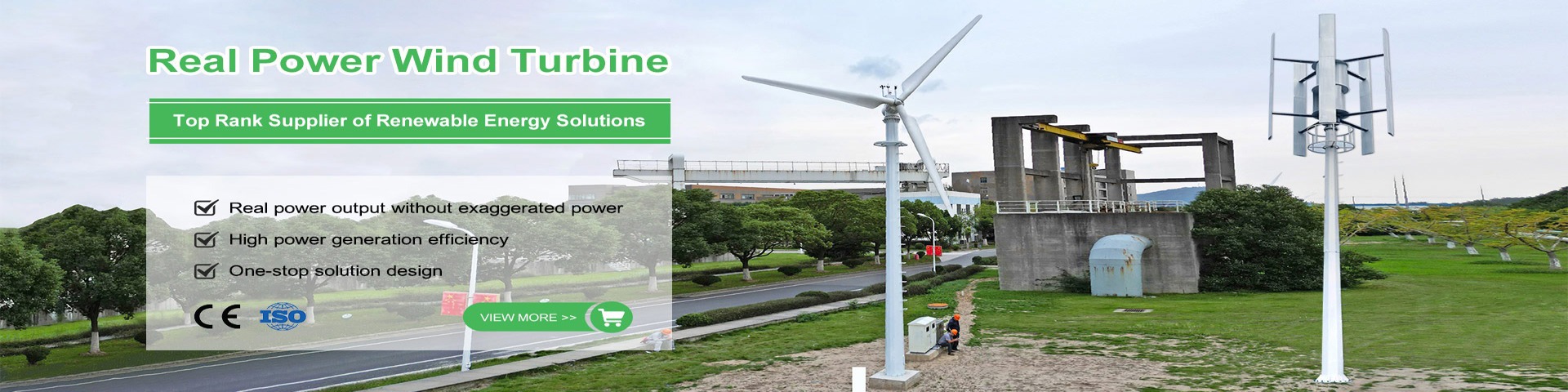
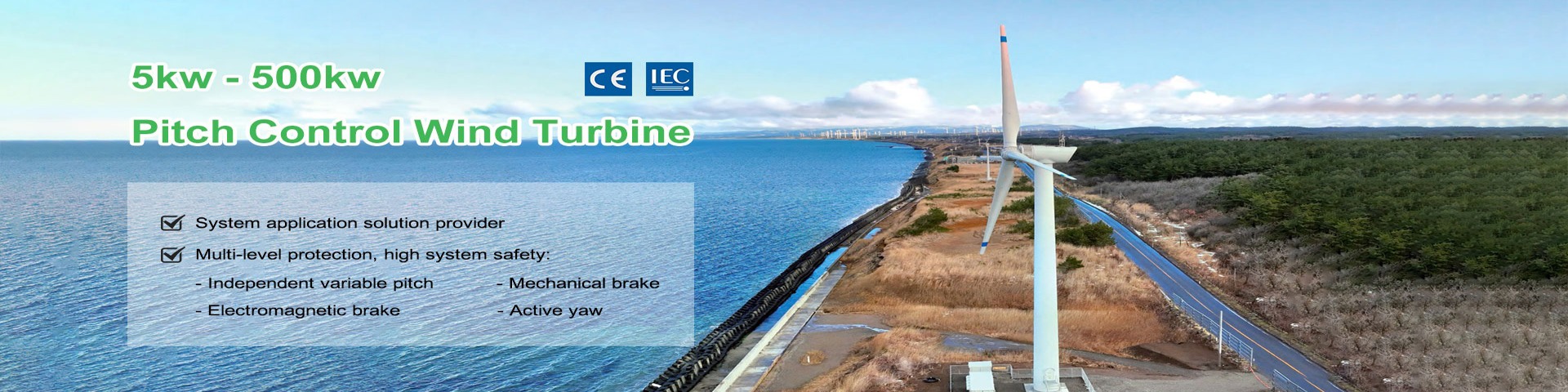
Современные ветрогенераторы для вашего дома и бизнеса доступные цены
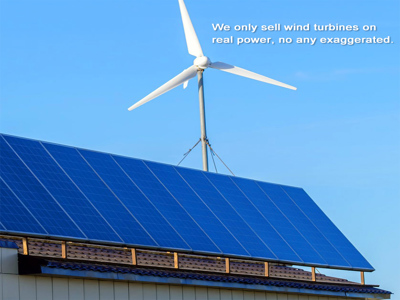
Добро пожаловать в мир возобновляемой энергии! В современном мире, где экологическая осведомленность растет, а затраты на традиционные источники энергии продолжают увеличиваться, ветрогенераторы становятся все более привлекательным решением для частных домовладельцев и бизнеса. В этой статье мы подробно рассмотрим, как современные ветрогенераторы могут помочь вам снизить счета за электроэнергию, повысить энергонезависимость и внести вклад в защиту окружающей среды, при этом оставаясь доступными по цене. Мы охватим все аспекты: от основ работы ветряных турбин до практических советов по выбору и установке, а также обсудим экономические и экологические выгоды. Давайте начнем с понимания, что такое ветрогенераторы и почему они так важны сегодня.
1. Что такое ветрогенераторы и как они работают?
Ветрогенераторы, или ветряные турбины, — это устройства, которые преобразуют кинетическую энергию ветра в электрическую энергию. Они состоят из нескольких ключевых компонентов: лопастей, ротора, генератора и башни. Когда ветер дует, он вращает лопасти, которые, в свою очередь, вращают ротор. Ротор соединен с генератором, где механическая энергия преобразуется в электричество. Это электричество затем может быть использовано непосредственно для питания вашего дома или бизнеса, или храниться в батареях для последующего использования. Современные ветрогенераторы отличаются высокой эффективностью и надежностью, благодаря advancements в материалах и технологиях. Например, использование композитных материалов для лопастей позволяет увеличить их долговечность и снизить вес, что делает турбины более эффективными даже при слабом ветре. Кроме того, интеллектуальные системы управления позволяют оптимизировать работу генератора в зависимости от скорости ветра, максимизируя выход энергии. В России, с ее vast территориями и переменными ветровыми условиями, ветрогенераторы могут быть особенно полезны в сельских и отдаленных районах, где доступ к централизованной электросети ограничен. Но не только для сельской местности — городские дома и малый бизнес также могут извлечь выгоду из установки небольших ветряных турбин. Важно отметить, что ветрогенераторы работают бесшумно и не производят вредных выбросов, что делает их экологически чистым источником энергии. Это не только снижает ваш углеродный след, но и помогает бороться с изменением климата. В следующих разделах мы подробнее рассмотрим типы ветрогенераторов и как выбрать подходящий для ваших нужд.
2. Типы ветрогенераторов: для дома и бизнеса
Существует несколько типов ветрогенераторов, каждый из которых предназначен для specific применений. Основные категории включают горизонтально-осевые ветрогенераторы (HAWT) и вертикально-осевые ветрогенераторы (VAWT). HAWT являются наиболее распространенными и эффективными, с лопастями, вращающимися вокруг горизонтальной оси. Они идеально подходят для открытых площадей с постоянным ветром и часто используются в крупных ветряных фермах, но также доступны в smaller размерах для домашнего использования. VAWT, с другой стороны, имеют лопасти, вращающиеся вокруг вертикальной оси, что делает их более компактными и менее зависимыми от направления ветра. Они лучше подходят для городских сред или мест с турбулентным ветром. Для дома typically используются небольшие ветрогенераторы мощностью от 1 кВт до 10 кВт, которые могут покрыть часть или всю потребность в электроэнергии среднего household. Например, ветрогенератор мощностью 5 кВт может производить enough энергии для питания освещения, бытовых приборов и even electric vehicle charging. Для бизнеса, such as small offices, farms, or retail stores, подходят ветрогенераторы мощностью от 10 кВт до 100 кВт. Они могут significantly reduce operational costs by providing a reliable source of electricity, especially in areas with high wind potential. В России, где многие регионы experience strong winds, particularly in coastal areas like the Baltic Sea or Siberia, ветрогенераторы могут быть highly effective. Кроме того, существуют гибридные системы, которые combine wind power with solar panels or diesel generators for backup, ensuring uninterrupted power supply. Это особенно полезно для бизнеса, where downtime can lead to financial losses. При выборе типа ветрогенератора важно учитывать местные wind conditions, available space, and budget. Мы recommend consulting with experts to conduct a wind assessment before making a decision. В следующем разделе мы обсудим преимущества ветрогенераторов, including cost savings and environmental benefits.
3. Преимущества использования ветрогенераторов
Использование ветрогенераторов offers numerous advantages, both economic and environmental. Firstly, они позволяют significantly reduce electricity bills. By generating your own power, you can lower or even eliminate your dependence on grid electricity, which is subject to price fluctuations and outages. For example, a typical household in Russia might spend thousands of rubles monthly on electricity; with a wind generator, these costs can be cut by up to 80% or more, depending on wind conditions and system size. Over time, the initial investment pays for itself through savings, making it a smart financial decision. Secondly, ветрогенераторы contribute to energy independence. In remote areas or during power outages, having a reliable source of electricity can be crucial for safety and comfort. For businesses, this means uninterrupted operations, which can enhance productivity and customer satisfaction. Thirdly, они are environmentally friendly. Wind energy is renewable and produces no greenhouse gas emissions or pollution, unlike fossil fuels. By switching to wind power, you help reduce air pollution and combat climate change, which is increasingly important in today's world. Additionally, ветрогенераторы have low operational costs once installed, as they require minimal maintenance—mostly periodic inspections and lubrication. Modern designs are also quiet and aesthetically pleasing, with options for integration into urban landscapes. In Russia, where energy security is a priority, investing in wind power aligns with national goals for renewable energy development. The government offers subsidies and incentives for renewable energy projects, which can further reduce costs. For instance, programs like the 'Green Tariff' allow you to sell excess electricity back to the grid, providing an additional income stream. We'll delve into these economic aspects later. Moreover, ветрогенераторы can increase property value, as energy-efficient homes and businesses are more attractive to buyers. Overall, the benefits are clear: savings, sustainability, and security. In the next section, we'll explore how to choose the right wind generator for your needs, including factors like size, cost, and installation.
4. Как выбрать подходящий ветрогенератор
Выбор правильного ветрогенератора зависит от нескольких факторов: ваших energy needs, местных wind conditions, available space, and budget. First, assess your electricity consumption. Calculate your average monthly usage in kilowatt-hours (kWh) by reviewing past electricity bills. For a home, this might range from 200 to 1000 kWh per month, while for a business, it could be much higher. A wind generator should be sized to meet at least a portion of this demand; a common rule of thumb is that a 1 kW turbine can produce about 100-200 kWh per month in good wind conditions. Next, evaluate the wind speed in your area. Ideal locations have average wind speeds of at least 4-5 meters per second (m/s). You can use online wind maps or consult local meteorological data. In Russia, regions like Krasnodar Krai or Murmansk have higher wind potentials. If wind speeds are low, you might need a larger turbine or consider a hybrid system with solar power. Then, consider the type of turbine: HAWT for open areas or VAWT for urban settings. HAWT are more efficient but require more space and steady wind, while VAWT are more compact and can handle turbulent wind. Also, think about noise levels; modern turbines are designed to be quiet, but it's good to check specifications. Budget is another key factor. The cost of a wind generator includes the turbine itself, installation, and any additional components like inverters and batteries. For a small home system, prices start from around 100,000 rubles for a 1 kW turbine, while business systems can cost millions. However, with government subsidies and long-term savings, the return on investment can be attractive. Look for reputable manufacturers and read reviews to ensure quality and reliability. Brands like Vestas, Siemens Gamesa, or local Russian companies offer good options. Installation should be done by professionals to ensure safety and efficiency. They will handle permits, foundation work, and grid connection if needed. In Russia, there are specific regulations for renewable energy installations, so it's important to comply with local laws. Finally, consider maintenance requirements. Most turbines need annual inspections and occasional part replacements, but overall, they are low-maintenance. By carefully evaluating these factors, you can choose a wind generator that meets your needs and provides maximum benefits. In the next section, we'll discuss the installation process in detail.
5. Процесс установки ветрогенератора
Установка ветрогенератора involves several steps to ensure it operates safely and efficiently. First, conduct a site assessment. A professional will visit your location to evaluate wind conditions, topography, and available space. They might use anemometers to measure wind speed over a period of time. This helps determine the best spot for the turbine, usually an open area away from obstacles like trees or buildings that could block wind. Next, obtain necessary permits. In Russia, installing a wind generator may require approval from local authorities, especially if it involves grid connection or exceeds certain height limits. Regulations vary by region, so check with your municipal office. For example, in Moscow, there might be stricter rules due to urban density, whereas in rural areas, it's more straightforward. Then, prepare the foundation. The turbine needs a solid base, typically a concrete foundation, to withstand wind forces. For small turbines, this might be a simple pole mount, while larger ones require excavated foundations. Installation itself involves assembling the turbine, raising it into position, and connecting it to the electrical system. This includes installing an inverter to convert DC electricity from the generator to AC for home use, and possibly batteries for energy storage. If you plan to connect to the grid, you'll need a grid-tie inverter and agreement with your utility company. In Russia, programs like net metering allow you to send excess electricity to the grid and receive credits. Safety is paramount during installation; always hire certified installers to avoid accidents. Post-installation, testing is done to ensure everything works correctly. The entire process can take from a few days to several weeks, depending on complexity. Cost of installation varies but typically adds 20-30% to the turbine price. For example, installing a 5 kW system might cost around 150,000 rubles including labor. Once operational, you can start enjoying reduced electricity bills immediately. Regular maintenance, such as checking bolts and blades for wear, will keep the system running smoothly. In the next section, we'll look at the economic aspects, including cost savings and return on investment.
6. Экономическая выгода и возврат инвестиций
Инвестирование в ветрогенератор can lead to significant economic benefits over time. The initial cost includes the turbine, installation, and any additional equipment, but this is offset by savings on electricity bills. Let's break down the numbers. For a typical home in Russia with average electricity consumption of 500 kWh per month at a rate of 5 rubles per kWh, monthly costs are 2,500 rubles. A 5 kW wind generator in a good wind area might produce 400 kWh per month, reducing the bill to just 500 rubles for the remaining grid electricity—a savings of 2,000 rubles monthly. Over a year, that's 24,000 rubles saved. If the total cost of the system is 300,000 rubles, the payback period is about 12.5 years. However, with government incentives, such as subsidies covering up to 30% of costs or feed-in tariffs where you sell excess power, the payback can be shorter. For businesses, the savings are even more substantial due to higher energy usage. Additionally, wind generators have a lifespan of 20-25 years, meaning you enjoy free electricity for years after the payback period. Inflation and rising energy prices further enhance savings. In Russia, where electricity costs are expected to increase, investing now locks in lower costs. Moreover, wind energy can provide a hedge against energy price volatility. There are also tax benefits; for businesses, renewable energy investments may qualify for deductions or credits. For example, under Russian law, companies can deduct expenses related to environmental projects. To calculate ROI, use online calculators or consult with financial advisors. Remember, the exact numbers depend on your specific situation, but overall, wind generators offer a solid return. In the next section, we'll discuss environmental impact and sustainability.
7. Экологический вклад и устойчивое развитие
Использование ветрогенераторов plays a crucial role in promoting environmental sustainability. Unlike fossil fuels, wind energy produces no carbon dioxide or other harmful emissions, helping to reduce air pollution and mitigate climate change. For instance, a single 5 kW wind generator can offset approximately 10 tons of CO2 emissions per year, equivalent to planting around 500 trees. This is particularly important in Russia, which is one of the world's largest emitters of greenhouse gases due to its reliance on coal and gas. By adopting wind power, you contribute to national and global efforts to combat global warming. Additionally, wind energy conserves natural resources, as it doesn't require water for cooling like thermal power plants, reducing strain on water supplies. It also minimizes habitat destruction compared to mining or drilling for fuels. Wind farms can coexist with agriculture or other land uses, making them versatile. In terms of sustainability, wind is a renewable resource that will never run out, ensuring long-term energy security. This aligns with Russia's goals for energy diversification and reducing dependence on imports. Moreover, investing in wind technology supports the green economy, creating jobs in manufacturing, installation, and maintenance. For businesses, showcasing environmental responsibility can enhance brand image and attract eco-conscious customers. Many companies now include sustainability in their corporate social responsibility (CSR) reports, and using wind power is a tangible way to demonstrate commitment. Governments worldwide are pushing for renewable energy, and Russia is no exception, with policies encouraging adoption. By choosing wind generators, you not only save money but also help protect the planet for future generations. In the next section, we'll cover maintenance and longevity of wind generators.
8. Обслуживание и долговечность ветрогенераторов
Современные ветрогенераторы designed for durability and low maintenance, but regular upkeep is essential for optimal performance. Most turbines require annual inspections by professionals to check for wear and tear on components like blades, bearings, and electrical connections. Blades should be inspected for cracks or erosion, which can affect efficiency. Bearings may need lubrication every few years to prevent friction. Electrical systems, including inverters and batteries, should be tested periodically to ensure they are functioning correctly. For small home systems, maintenance costs are relatively low, typically around 5-10% of the initial cost per year. For example, annual maintenance for a 5 kW turbine might cost 15,000-30,000 rubles. Many manufacturers offer warranties of 5-10 years, covering defects, but extended service contracts can provide peace of mind. The lifespan of a wind generator is usually 20-25 years, after which components may need replacement or upgrading. Advances in technology mean that newer models are even more reliable and efficient. In Russia, where weather conditions can be harsh with cold winters and strong winds, choosing turbines rated for such environments is important. Proper installation and routine care can extend the life of the system. Additionally, monitoring systems can be installed to track performance remotely, alerting you to issues before they become serious. This proactive approach minimizes downtime and ensures continuous energy production. For businesses, having a maintenance plan in place is crucial to avoid disruptions. Overall, wind generators are a long-term investment that, with minimal upkeep, provide reliable energy for decades. In the next section, we'll explore government incentives and support available in Russia.
9. Государственная поддержка и субсидии в России
В России government provides various incentives to encourage the adoption of renewable energy, including wind generators. These include subsidies, tax breaks, and feed-in tariffs. For example, the Federal Law 'On Electric Power Industry' supports renewable energy through mechanisms like capacity supply agreements (DPM), which guarantee payments for generated electricity. There are also regional programs; for instance, in areas like Kaliningrad or Sakhalin, local authorities offer grants for green energy projects. Additionally, the government has set targets for renewable energy share, aiming for 4.5% by 2024, which drives investment. For homeowners and small businesses, there may be direct subsidies covering up to 30% of installation costs. To apply, you typically need to submit a project proposal to local energy committees or banks that partner with government programs. Tax incentives include deductions for environmental investments or reduced property taxes for energy-efficient buildings. Moreover, net metering allows you to sell excess electricity back to the grid at favorable rates, providing an additional income stream. It's important to stay updated on current policies, as they can change. Consulting with energy agencies or professionals can help you navigate these opportunities. By taking advantage of these incentives, you can significantly reduce the upfront cost of a wind generator and accelerate ROI. In the next section, we'll discuss real-world examples and success stories.
10. Примеры из практики и успешные внедрения
Много examples demonstrate the success of wind generators in Russia and abroad. For instance, a farm in Krasnodar Krai installed a 10 kW wind turbine and reduced its electricity bills by 70%, paying off the investment in 8 years. Another example is a small business in Murmansk that uses a hybrid wind-solar system to power its operations, achieving energy independence and attracting eco-friendly customers. Internationally, countries like Germany and Denmark have extensive wind energy infrastructure, showing its viability. In Russia, projects like the Ulyanovsk Wind Farm highlight large-scale adoption, but small-scale implementations are equally effective. These stories inspire confidence and show that wind power is practical and beneficial. By learning from others, you can avoid common pitfalls and optimize your own installation.
11. Будущее ветроэнергетики и инновации
Будущее ветроэнергетики bright, with ongoing innovations making turbines more efficient and affordable. Trends include larger blades for higher efficiency, offshore wind farms for consistent wind, and smart grid integration for better energy management. In Russia, research is focused on adapting technology to Arctic conditions. As costs continue to drop, wind energy will become even more accessible, playing a key role in the global energy transition.
12. Заключение и призыв к действию
В заключение, современные ветрогенераторы offer a fantastic opportunity for homes and businesses to save money, gain energy independence, and protect the environment. With accessible prices and government support, now is the perfect time to invest. Contact us today for a consultation and take the first step towards a sustainable future. Together, we can harness the power of wind for a better tomorrow.
Предыдущий: Ветрогенераторы рынок взрывной рост 2024 анализ
Следующий: Как выбрать подходящий малый ветрогенератор для вашего участка
